

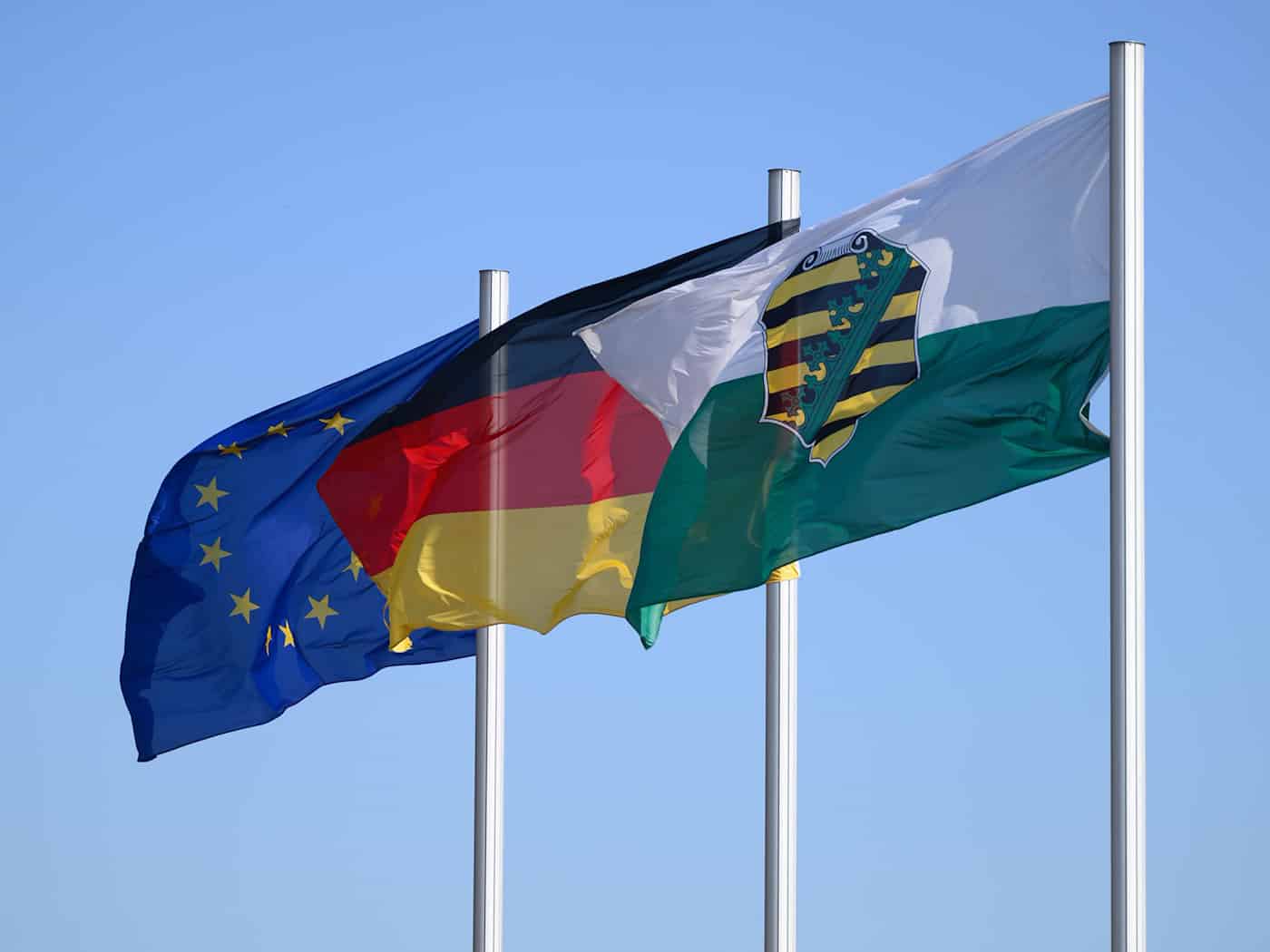
In recent years, the east of Germany has benefited significantly more from EU structural funding than the west. According to a study by the ifo Institute for Economic Research in Dresden, almost two thirds of the total EUR 21 billion in funding from the European Regional Development Fund (ERDF) and the European Social Fund (ESF) that flowed into Germany in the years 2014 to 2020 went to eastern Germany. At the same time, around one fifth of the German population lives in the region, according to the study. The total investments thus triggered amounted to an average of 707 euros per inhabitant in eastern Germany and 153 euros in western Germany. According to Joachim Ragnitz, Deputy Director of the Ifo Institute in Dresden, EU funding has noticeably strengthened Germany's structurally weak regions. "Our calculations show that one euro of EU funding leads to two euros of additional gross domestic product (GDP) in the long term," said the economic expert. Spending on research, knowledge transfer and innovation is particularly effective. According to the ifo Institute's calculations, the share of GDP accounted for by projects co-financed with EU funds in eastern Germany was around 0.23 percent. According to the researchers, funding in the east was particularly concentrated on economically stronger cities, which still lag far behind western German centers in an east-west comparison. According to the study, around 39 percent of ERDF investment went towards research and innovation. Dozens of projects at eastern German universities were strengthened here - for example at Ilmenau University of Technology, Otto von Guericke University Magdeburg and Dresden University of Technology. In total, 66 percent of all ERDF funding was aimed directly at growth and employment, the study concludes. The money was primarily used for public investment - for example for infrastructure or the direct promotion of smaller companies. In view of the ongoing negotiations on the EU financial framework 2028 to 2034, Ragnitz warned against a reduction in funding. "A reduction in EU funding could have serious negative effects," he said, referring to the strained financial situation of many eastern German states and municipalities. Copyright 2026, dpa (www.dpa.de). All rights reservedEU funding focused on university locations


