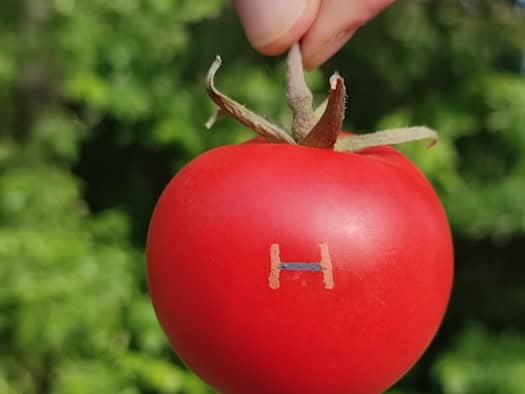
Magnetic field sensors can be found in almost every device we use every day. But many contain problematic metals such as nickel or cobalt. Researchers at the Helmholtz-Zentrum Dresden-Rossendorf have now developed printed sensors made from iron, cellulose and beeswax that can later dissolve in a controlled way. | more
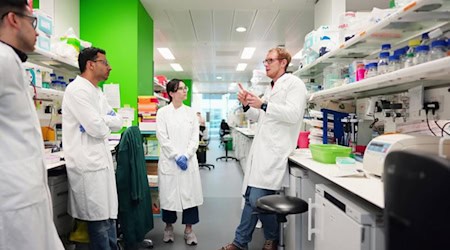
How do cells talk to each other? A team at TU Dresden has succeeded in making the most important sensors on the cell surface visible for the first time. The so-called proteoglycans receive signals and control how cells grow and react. The new method could help to better understand cancer and develop new therapies in the future. | more