


Tomatoes on the roof, lettuce in the backyard
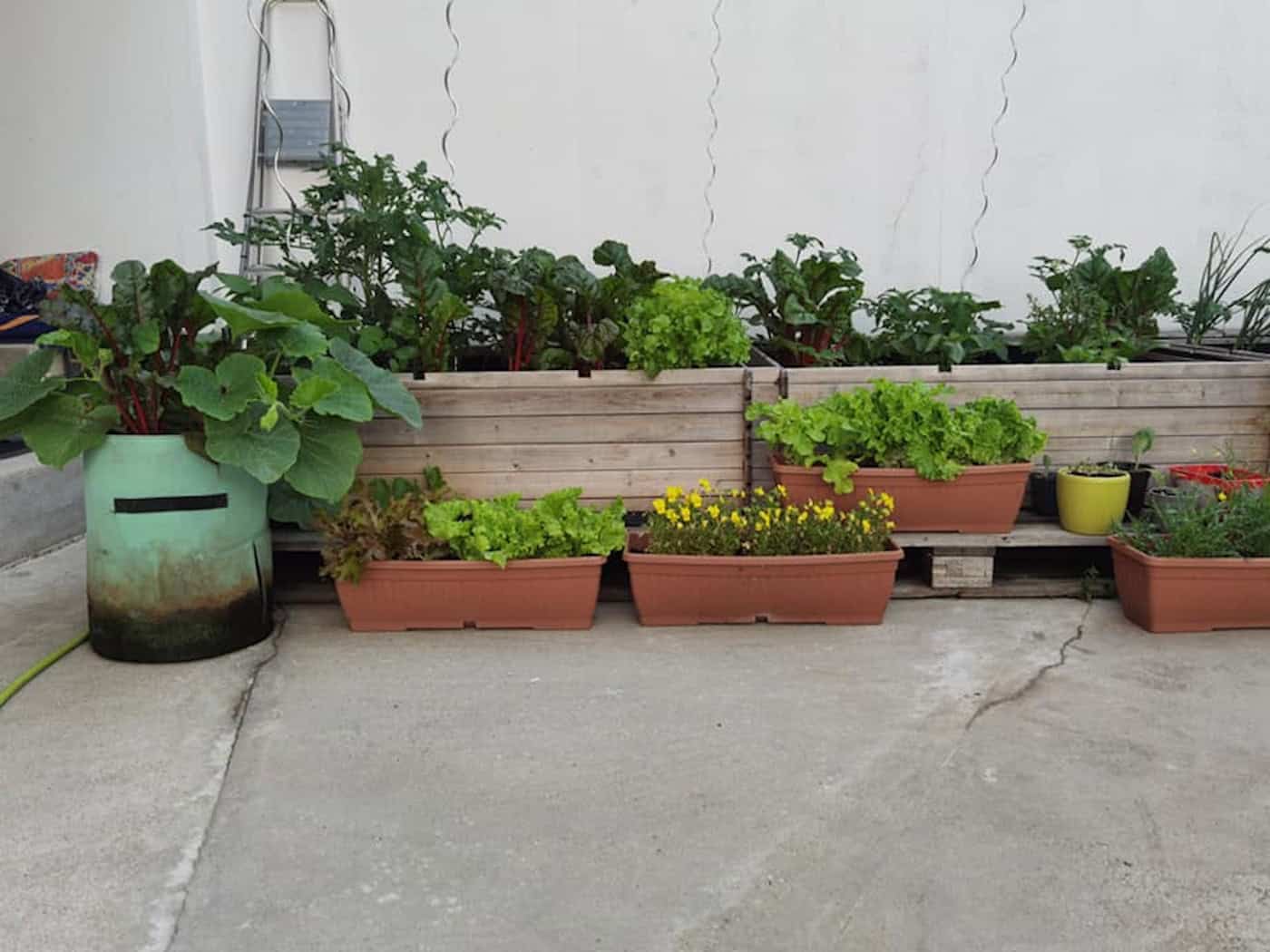
Spinach grows on the rooftop next door. Tomatoes thrive in the park around the corner. What sounds like a vision of the future could be far more realistic in European cities than previously thought. A new study shows that urban agriculture in European cities could produce up to 20 million tons of vegetables per year.
This would correspond to around 28 percent of the vegetable demand of 190 million people. The Leibniz Institute of Ecological Urban and Regional Development (IOER) in Dresden was among the institutions involved in the study, which was published in the journal Sustainable Cities and Society.
How rooftops and vacant lots could become vegetable fields
The research team examined 840 cities in 30 European countries. They analyzed which areas would generally be suitable for growing vegetables, including home gardens, flat rooftops, green spaces and undeveloped urban land. High-tech systems such as hydroponics or vertical farming were deliberately excluded.
According to the analysis, between 4,500 and 7,500 square kilometers of urban space could potentially be used for agriculture. That is roughly equivalent to the area of Mallorca — or even twice as much. “Using an analytical approach that evaluates geographical data, we investigated how unused areas could be converted into productive vegetable-growing spaces,” explains Stepan Svintsov, scientist at the IOER and lead author of the study.
The 15-minute city meets urban farming
The study also connects to the increasingly discussed concept of the “15-minute city.” The idea is that people should be able to reach important destinations of daily life within a short walk or bike ride — ideally including fresh food.
“By integrating agriculture into urban planning, cities could improve local access to food, reduce food transportation, increase community engagement and promote healthier eating,” says Diego Rybski from the IOER. At the same time, the researchers emphasize that urban agriculture cannot replace traditional farming. “Urban agriculture should be seen as a complementary component of existing food systems,” says co-author Prajal Pradhan from the University of Groningen.
Cities could therefore contribute far more to their own food supply in the future than previously assumed.
Original publication:
Svintsov, S.; Pradhan, P.; Smith, T.; Rybski, D. (2026): Integrating agriculture into European urban landscapes matters: A systematic assessment. In: Sustainable Cities and Society, 107422.

