


Sunny days: bees start the new season
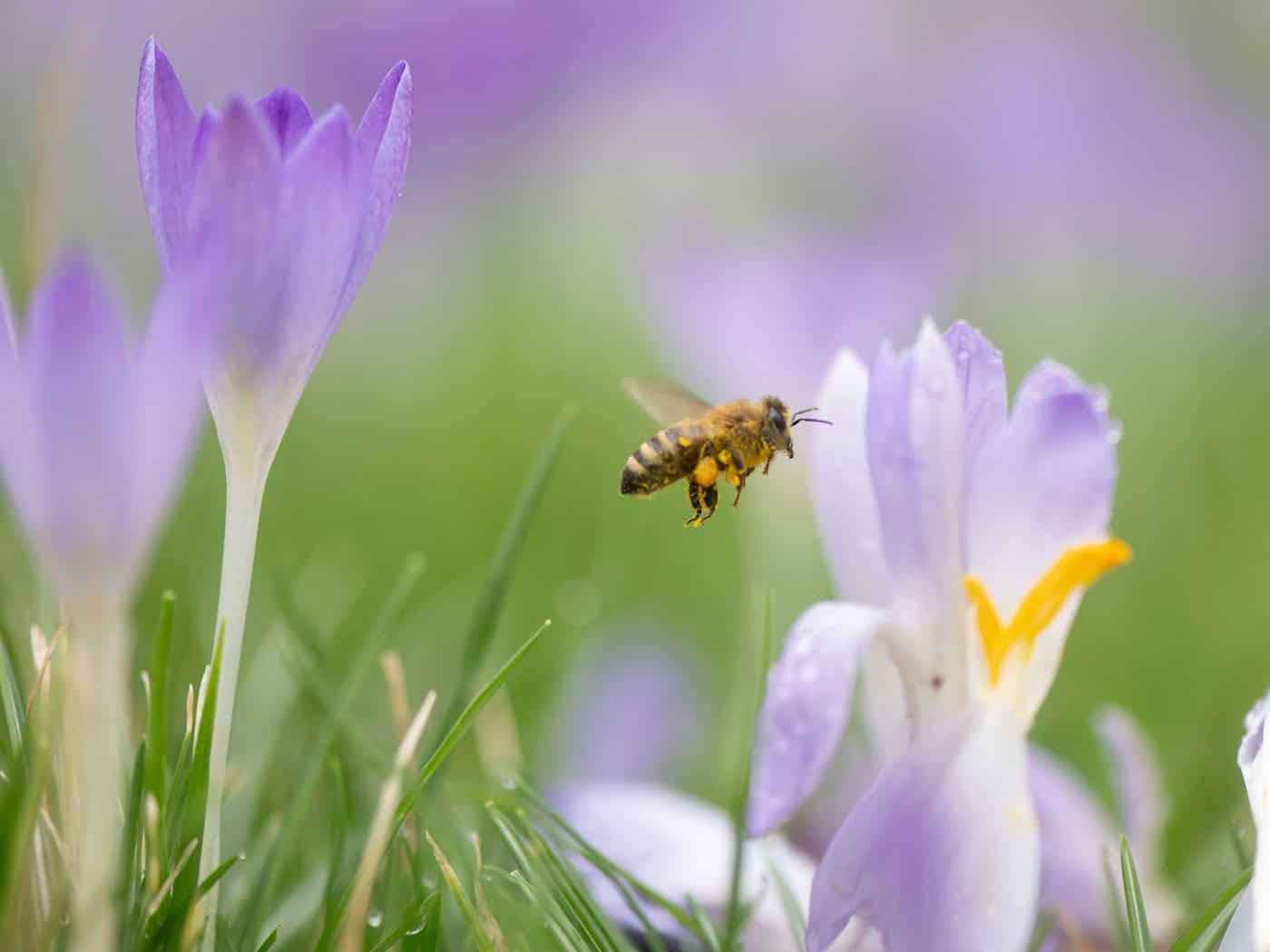
Sunshine and rising temperatures are luring bees out of their hives in Saxony. They use the spring-like weather not only for their cleaning flight, but also to gather new food, explains beekeeper Peter Gruner. He looks after around 80 colonies in Mülsen (Zwickau district). They are currently feeding on winter aconites, snowdrops, hazelnuts and crocuses. According to Gruner, they mainly collect pollen there as food for their brood. The willow blossom then provides the first important source of nectar. The fact that bees fly out at the end of February is not unusual in itself, emphasizes the deputy chairman of the Saxon Beekeepers' Association. This is because they do not hibernate and leave their hives from a temperature of 10 to 12 degrees. In other years, this has already happened at the end of December. This is a good opportunity for beekeepers to look inside the hives to check the condition of the colonies. This will show how well they have come through the winter so far. "The colonies are now putting on new brood," explains the expert. To heat the nest to 35 degrees, however, the bees need enough food. To do this, they draw on the reserves that they collected last year or that their beekeeper fed them. Gruner knows from experience that this enables them to survive new cold spells. It takes 21 days from the egg to the hatching of the finished honey bee. The foundation is therefore currently being laid to ensure that there are enough bees to pollinate the flowers of fruit trees and co. in spring. Gruner: "The egg that the queen lays now is a forager bee at Easter." Copyright 2026, dpa (www.dpa.de). All rights reservedBee brood needs a warm nest

