


Oak processionary moth feels at home in warm regions
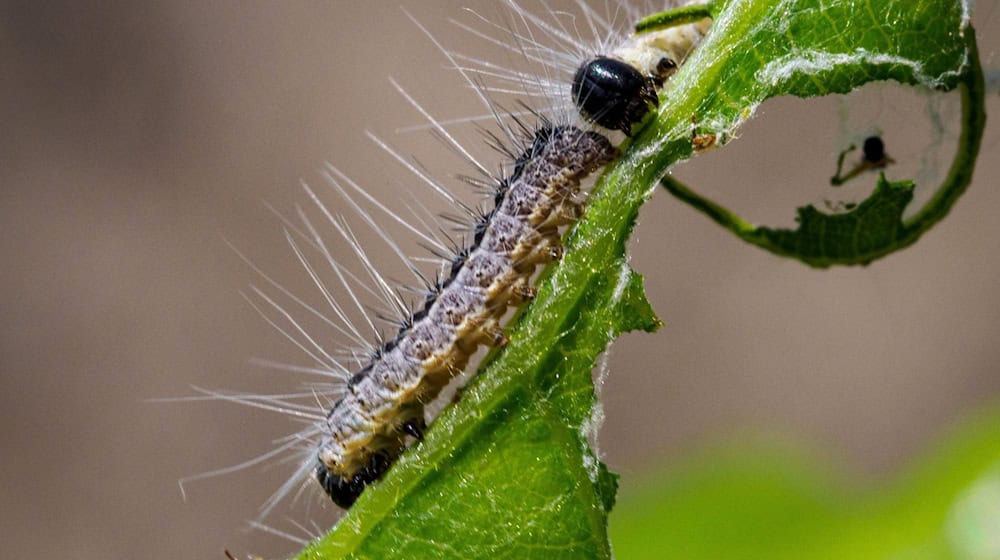
The oak processionary moth has been spreading for several years, particularly in the forests in the district of Nordsachen and in the Dresden Elbe Valley. In these regions, the butterfly species benefits from the warm, dry weather, said Renke Coordes from Sachsenforst. Even the late frosts in April had no relevant impact on the population. The oak processionary moth is sufficiently cold-tolerant in the egg stage in winter and in the caterpillar stage in spring. Only cold spells lasting several days in conjunction with a lack of food due to leaves that have not yet sprouted or are dead would damage the insects. Coordes assumes a steady but relatively slow spread due to the planned forest conversion. The oak processionary moth mainly needs oak species to develop. As a result of the forest conversion, the proportion of native pedunculate and sessile oaks in particular as potential food trees for the caterpillars will increase in the future. "However, as older trees are preferred for colonization and the native oak species need many decades to develop, the food supply will not improve abruptly." For the forest, any feeding damage caused by the oak processionary moth has so far been harmless. Coordes explained that the first two larval stages are still harmless to humans and that it is only when the leaves of oak trees are repeatedly stripped bare in combination with other pests or extreme weather conditions such as drought that trees can die. Only contact with the caterpillars' poisonous hairs can cause severe skin irritation, eye irritation, breathing difficulties and allergic reactions. This phase is usually expected in June. After prolonged drought and heat, there is also an increased occurrence in urban parks and green spaces. The pest gets its name because it crawls from the nest into the treetop as a procession at night and eats there. During the day, it hides in its nests. Anyone who nevertheless encounters oak processionary moths should change their clothes and wash them thoroughly. Cases should also be reported to the relevant health authorities. Copyright 2024, dpa (www.dpa.de). All rights reserved

