

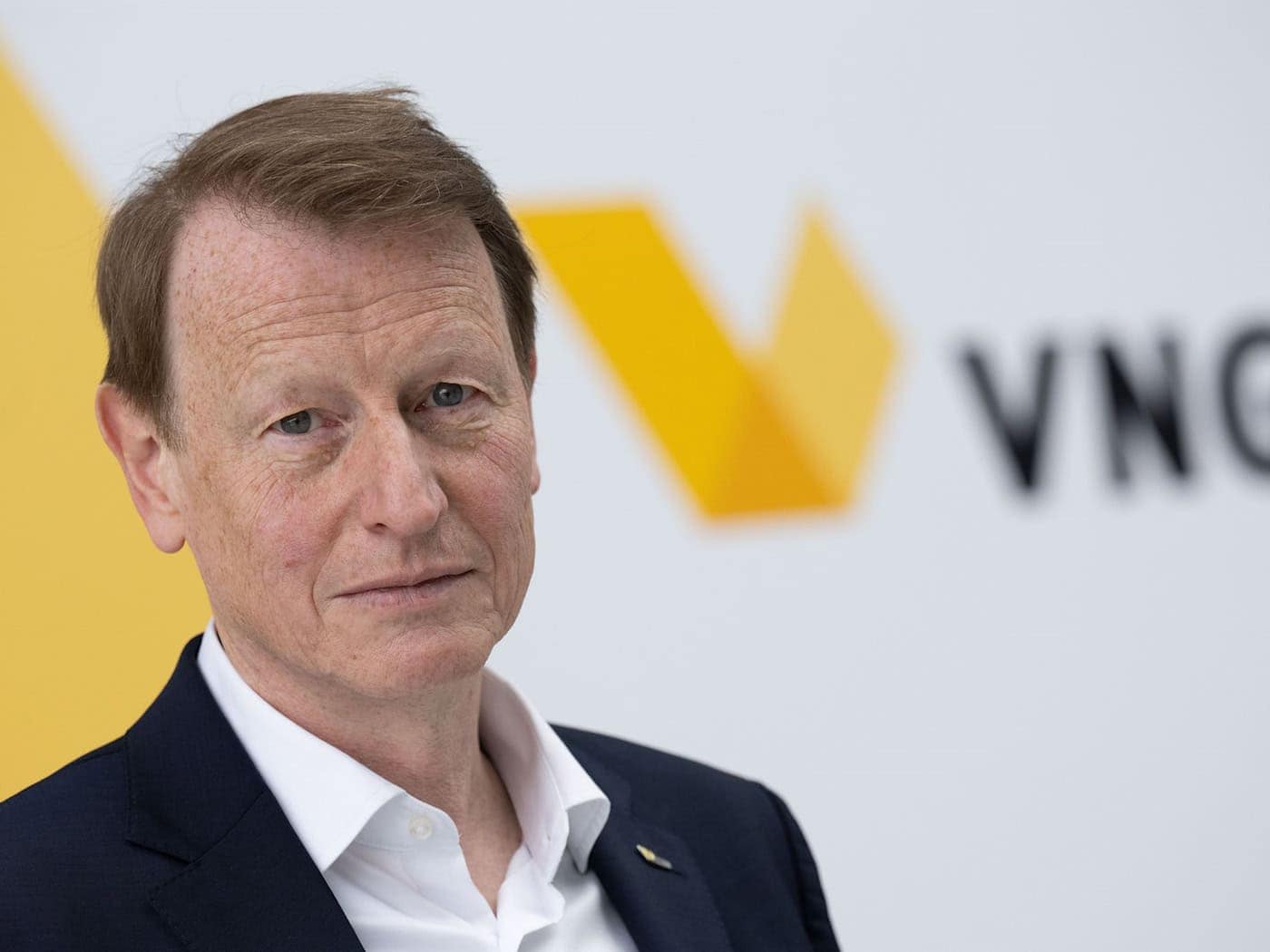
The eastern German energy company VNG sees risks for long-term import contracts and therefore for security of supply in Germany as a result of new EU requirements to reduce methane emissions. "If no practical solutions are found, this will jeopardize the very contracts that we urgently need for our security of supply," CEO Ulf Heitmüller told the German Press Agency. This is due to stricter rules for the energy sector, which will also apply to imports of oil, gas and coal from 2027. Importers will then have to prove that producers outside the EU comply with European methane regulations. "Today, it is completely unclear how this will work in practice," said Heitmüller. The European Parliament had already approved the regulations in 2024. Among other things, they provide for stricter controls of oil and gas plants as well as reporting and monitoring obligations, including for energy imports. Methane is the second most important greenhouse gas after carbon dioxide and is considered to be significantly more harmful to the climate. According to VNG, the supply situation has stabilized compared to the 2022 energy crisis - thanks in part to liquefied natural gas (LNG), which is transported to terminals by ship and converted back into gas there, as well as a broader range of supply sources. However, at around 20.7% (as of February 22), gas storage in Germany is significantly lower than in previous years. "Looking ahead to next winter, we see filling the storage facilities as a challenge," said Heitmüller. This is precisely why long-term and reliable supply contracts are central to security of supply - and could come under pressure if targets cannot be met. This applies in particular to sources of supply outside the EU. According to VNG, it has been the only German importer to purchase natural gas directly by pipeline from Algeria since 2024. Copyright 2026, dpa (www.dpa.de). All rights reservedProof requirements from 2027
Long-term contracts key to supply


