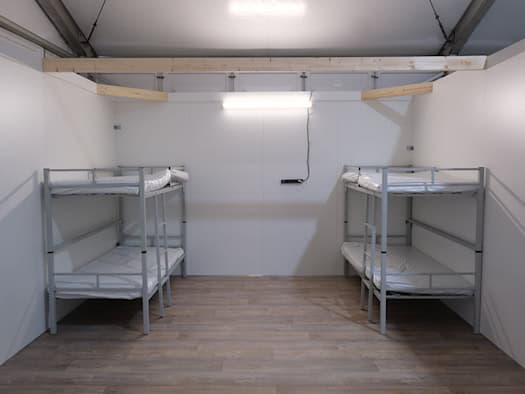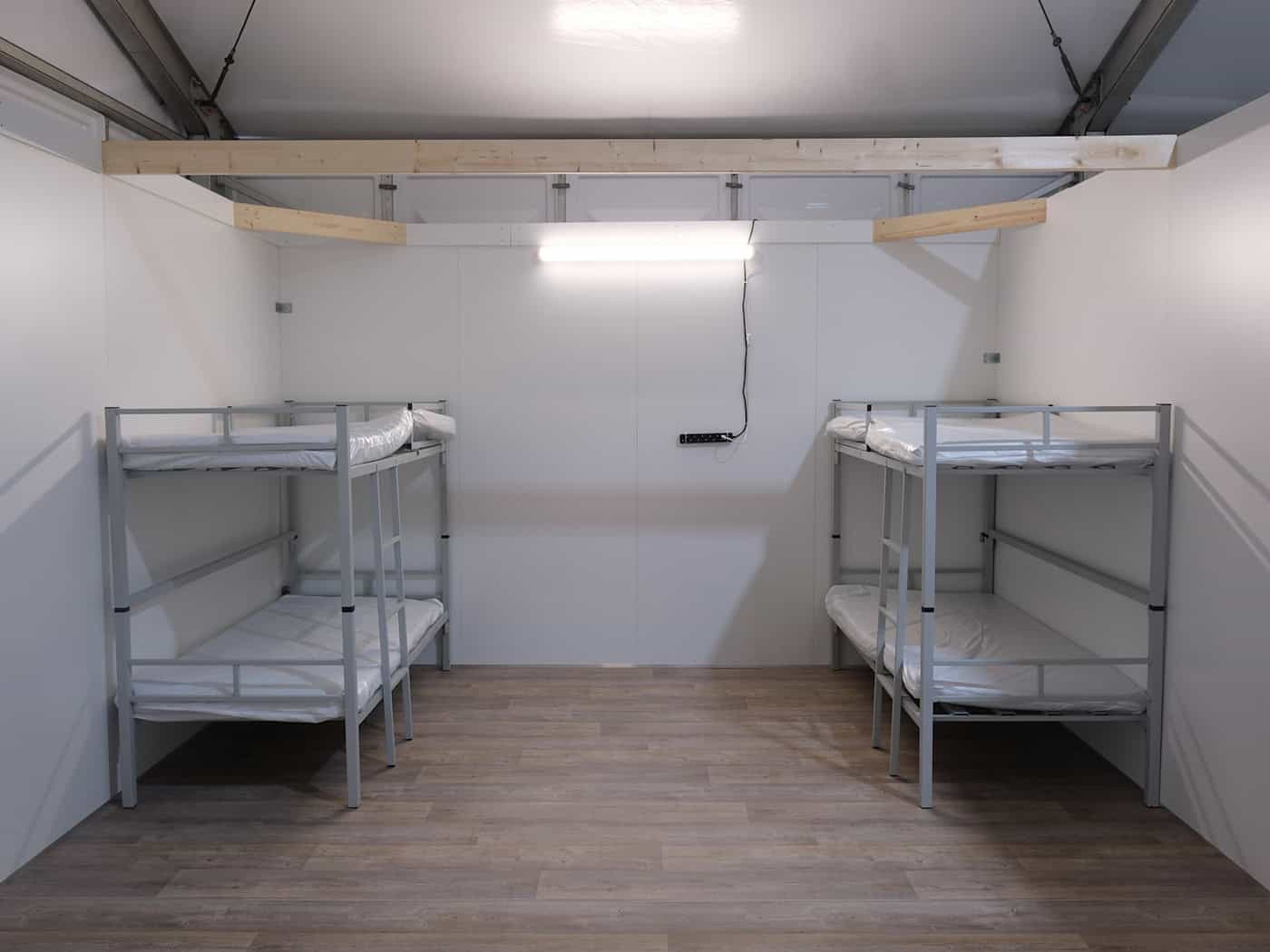
Following the significant decline in the number of asylum seekers in Saxony, the number of shelter beds has also decreased. As of the end of August, the Free State had a standard capacity of 3,355 beds, according to information provided by the Ministry of the Interior in response to an inquiry. According to the report, 850 beds have been eliminated since May 2025. Currently, 1,477 beds are occupied. At the peak, there were up to 10,000 beds in the Free State’s reception facilities. The number of asylum seekers arriving in Saxony had halved for the second consecutive year. According to the Ministry of the Interior, 5,189 asylum seekers were registered in 2025; in 2024, the figure was 10,120, and in 2023, it was 23,120. The statistics do not include the number of people who sought refuge from Russia’s war of aggression against Ukraine. In 2025, this figure stood at 5,942 women, children, and men; the previous year, it was 1,912. In addition, the number of voluntary departures by rejected asylum seekers rose. In the previous year, this figure stood at 1,588 in Saxony—the highest on record. On July 1, a secondary migration center in Dresden, Saxony, began operations. This facility houses individuals who must be returned to another EU member state because Germany is not responsible for their asylum proceedings. According to reports, the duration of stay at the 400-bed facility is a maximum of 24 months; for families with minor children, the maximum is 12 months. Due to the decline in the number of asylum seekers, the number of beds and shelters operated by municipalities has also decreased in most cases. In Leipzig, 4,613 spots were occupied in March of this year, compared to 5,654 a year earlier, according to the city. A good 2,500 of these had been occupied for more than a year, and 1,559 for more than two years. Accommodations will continue to be closed in the coming years, the city of Leipzig further reported. On the one hand, lease agreements are expiring; on the other, buildings are being put to other uses. In Dresden, 3,641 people seeking refuge or asylum are currently housed in facilities, according to the city. The peak was reached in March 2024 with 4,455 people. Numerous shared housing facilities were closed over the course of the past year. Since then, the total accommodation capacity has been reduced by a further 900 beds, so that the social services office currently still has twelve transitional housing facilities and 1,001 apartments at its disposal, the statement continued. By the end of 2025, the state capital had closed the last asylum shelters, which had been built using container construction. The reason cited was the significant decline in refugee numbers. In Chemnitz, too, capacity has been adjusted repeatedly in the past. Accommodation spaces are maintained in accordance with actual demand and existing contractual options, according to a response to an inquiry. Currently, 730 people are housed in shared accommodations and rented apartments in the Free State’s third-largest city. Around the turn of the year in 2024, that number was 1,670. However, declining numbers of asylum seekers did not immediately lead to an equally sharp drop in the number of people requiring housing, emphasized Jens Mittenzwey, head of the Public Order and Immigration Office at the Vogtland District Administration. In addition to arrivals and departures, he noted, the existing caseload, status changes, and the ongoing development of departure and return processes are also key factors. Consequently, the number of people housed in the Vogtland District has declined only moderately. In July 2026, 1,565 people were housed; a year earlier, the number was just over 50 higher. However, capacities are being adjusted gradually. For example, there are plans to close the last major central facility, with approximately 350 beds, in the near future. Several facilities have also already been closed in the Bautzen district. Currently, 582 people are housed there; a year ago, the number was 1,745, according to the district administration. Among the facilities closed this year was the Spreehotel in Bautzen, which had been used as refugee housing. It had served as asylum housing since 2014. The conversion of the hotel had sparked protests in the region. In addition, there had been several arson attacks on the building. According to the district, the facility was closed in 2017 due to declining referral numbers. In 2022, the district rented the Spreehotel again as refugee housing, as asylum numbers were rising once more at that time. Only in the district of Saxon Switzerland-Osterzgebirge does the number of refugees housed remain at a high level. According to the district administration, 1,968 people are currently housed in the five shared accommodations and approximately 430 apartments. The highest figure was recorded in 2023, at 2,517 people. Demand is continuously reviewed and adjusted. Copyright 2026, dpa (www.dpa.de). All rights reservedMore Voluntary Departures
Facilities Also Being Phased Out in Municipalities
Capacity Is Adjusted to Meet Demand
The Spreehotel refugee shelter was closed