


Restricted zones active again after ASF found in Görlitz district
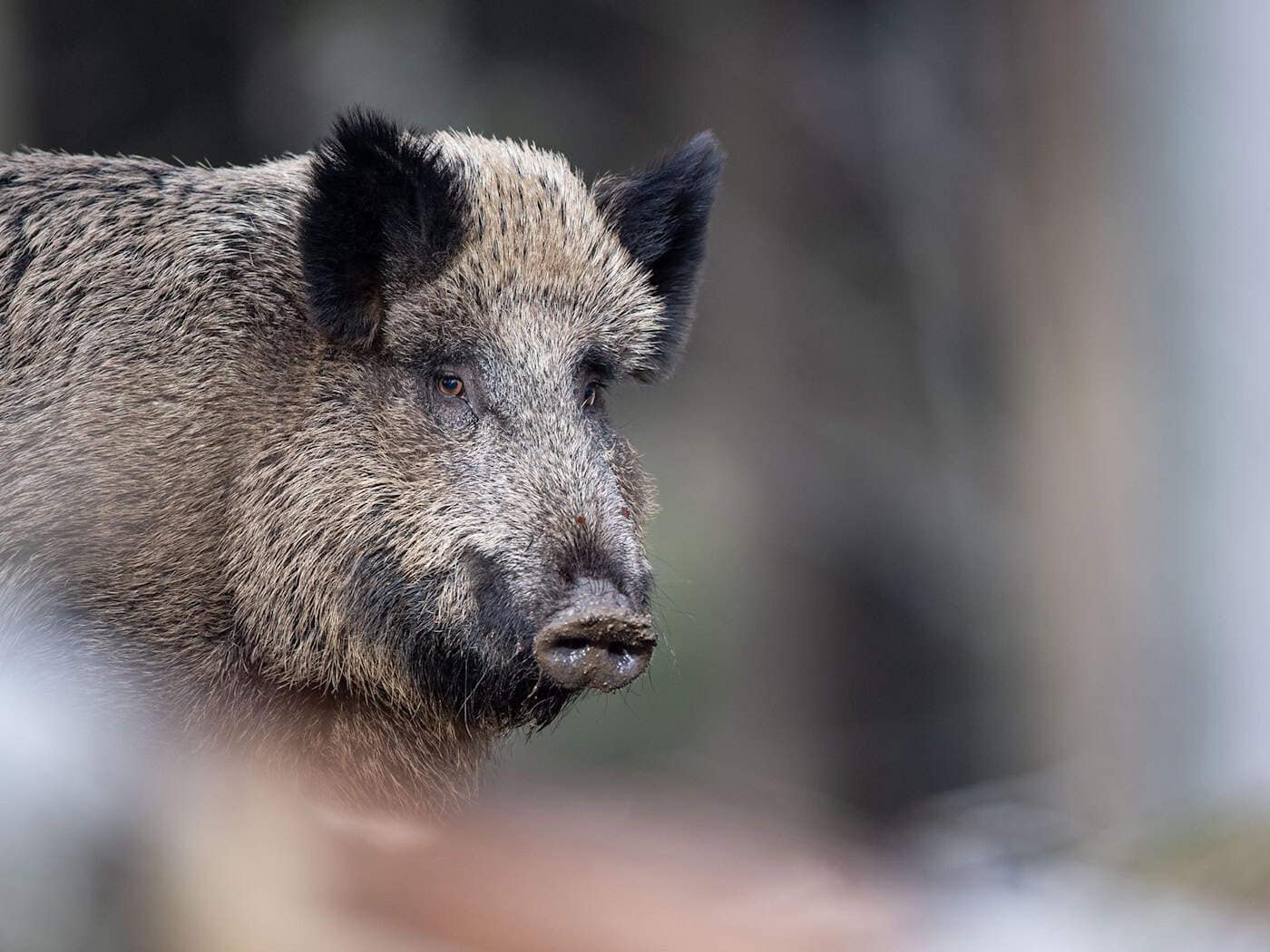
Following the recent outbreak of African swine fever (ASF) in Saxony, the district of Görlitz has reintroduced restricted zones. They were all lifted in late fall after five years of ASF. However, on March 31, the ASF virus was detected again in an animal found dead in the Königshain mountains. The protective measures are therefore being resumed. A restricted zone II (endangered area) was established with a radius of around ten kilometers around the location where the virus was found, the Ministry of Social Affairs announced. The area includes areas or parts of areas in the municipalities of Hohendubrau, Horka, Kodersdorf, Königshain, Markersdorf, Neißeaue, Quitzdorf am See, Schöpstal, Löbau, Niesky, Reichenbach, Vierkirchen and Waldhufen. A buffer zone (restricted zone I) adjoins the existing protection corridor along the border with Poland to the west and surrounds restricted zone II. "By establishing the restricted zones, we are following the requirements of the EU Commission. Intensive trapping and targeted hunting of wild boar is now being carried out in the area in an attempt to limit the spread of the disease and prevent it from spreading further," explained Social Affairs Minister Petra Köpping (SPD). She appealed to all farmers with pig fattening and pig breeding farms in this area to strictly adhere to protective measures so that the virus does not continue to infect domestic pigs. ASF is a viral infection that only affects wild and domestic pigs. It is harmless to humans and other animal species. It is almost always fatal and incurable. Surviving animals do not develop immunity to the virus and can therefore become infected again. There is currently no way of protecting pigs by vaccination. The disease can be transmitted directly from animal to animal or indirectly through humans via contaminated objects and feed. In September 2020, the first case of ASF in a wild boar in Germany was confirmed in Brandenburg. The first case was reported in Saxony at the end of October 2020. Since then, outbreaks of ASF in wild boar have also been detected in Mecklenburg-Western Pomerania, Hesse, Rhineland-Palatinate, Baden-Württemberg and North Rhine-Westphalia. A total of 2,399 ASF cases have been detected in Saxony to date. Domestic pigs were not affected. Copyright 2026, dpa (www.dpa.de). All rights reservedRestricted zones established
ASF is not dangerous for humans

