


Heat Protection for Grazing Animals—A Responsibility for Livestock Owners
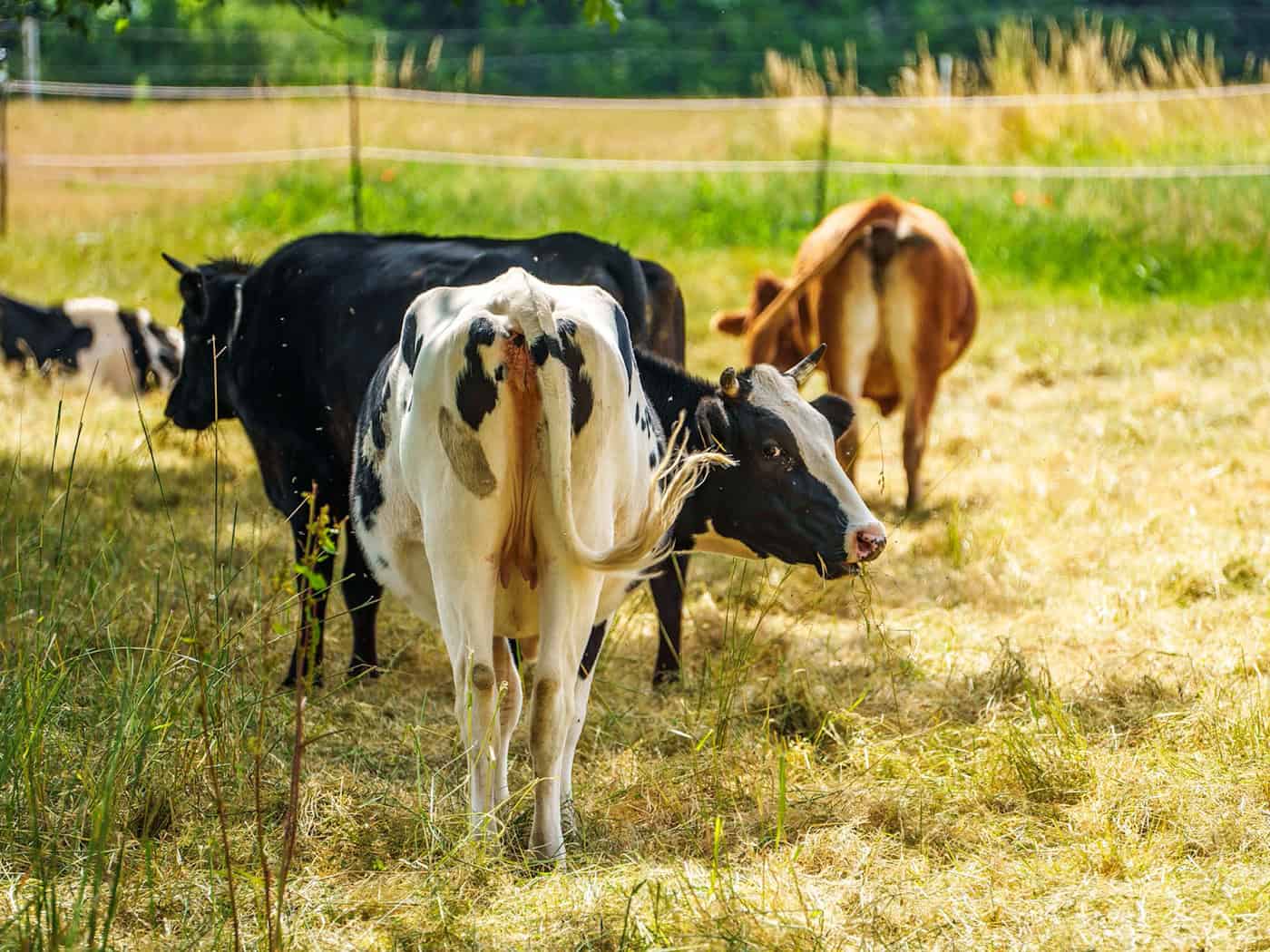
Animals grazing in pastures must not be left unprotected against heat and drought. In light of high temperatures, veterinary authorities have emphasized the need for weather protection for grazing animals. “The ongoing summer temperatures are currently leading to an increasing number of reports and complaints from the public. Many citizens are reporting farm animals left in pastures without adequate sun protection,” the Pirna District Office announced. Sheep, horses, and cattle are particularly often affected. The Veterinary Office of the Saxon Switzerland-Eastern Ore Mountains district reminded all livestock owners of their legal obligation under the Animal Welfare Act and the Animal Welfare Livestock Husbandry Ordinance. They must provide their animals with appropriate care and protect them from harmful weather at all times. “Specifically, this means that animals grazing in pastures must have permanent access to sufficient fresh drinking water as well as shade provided by trees or shelters.” Reports of possible violations will be investigated. Violations will result in substantial fines. “The Veterinary Office asks all animal owners to check on their animals several times a day, especially during extreme weather conditions such as heat waves or heavy rain. An adequate water supply and the necessary protection from the weather must be ensured at all times,” the statement said. At the same time, the agency offered to advise owners of grazing animals. “Anyone who keeps an animal must feed, care for, and house it in a manner appropriate to its species and needs,” states the Animal Welfare Act. The Animal Welfare Livestock Husbandry Ordinance requires, among other things, that the well-being of the animals be checked “at least once a day through direct visual inspection” and that “all animals be provided daily with feed and water in sufficient quantity and quality according to their needs.” Suitable sources of shade in a pasture include trees, hedges, bushes, forest edges, as well as artificial shelters and sunshades. The shaded area should be accessible to all animals in the herd. Experts point out that neglecting proper care during high temperatures can lead to heat stress and circulatory collapse in animals. If there is insufficient shade available in a pasture, grazing is recommended during the cooler morning or evening hours. “Guidance on weather protection during high temperatures is regularly issued by the relevant food safety and veterinary authorities—similar to general heat advisories from other agencies,” clarified the State Farmers’ Association. The responsible care and feeding of animals in accordance with animal welfare standards is the professional responsibility of the animal owners. “Farmers have the necessary training and expertise and adapt the care of their animals—especially during extreme weather events—to the respective conditions. Providing care tailored to the animals’ needs and implementing appropriate protective measures are an integral part of proper animal husbandry,” explained the State Farmers’ Association. Copyright 2026, dpa (www.dpa.de). All rights reservedLivestock owners are required to protect grazing animals
Authorities Ask for Extra Vigilance During Heat Waves and Heavy Rain
Shade providers: Trees, hedges, and sunshades

