


40 years after Chernobyl: wild boar contaminated in isolated cases
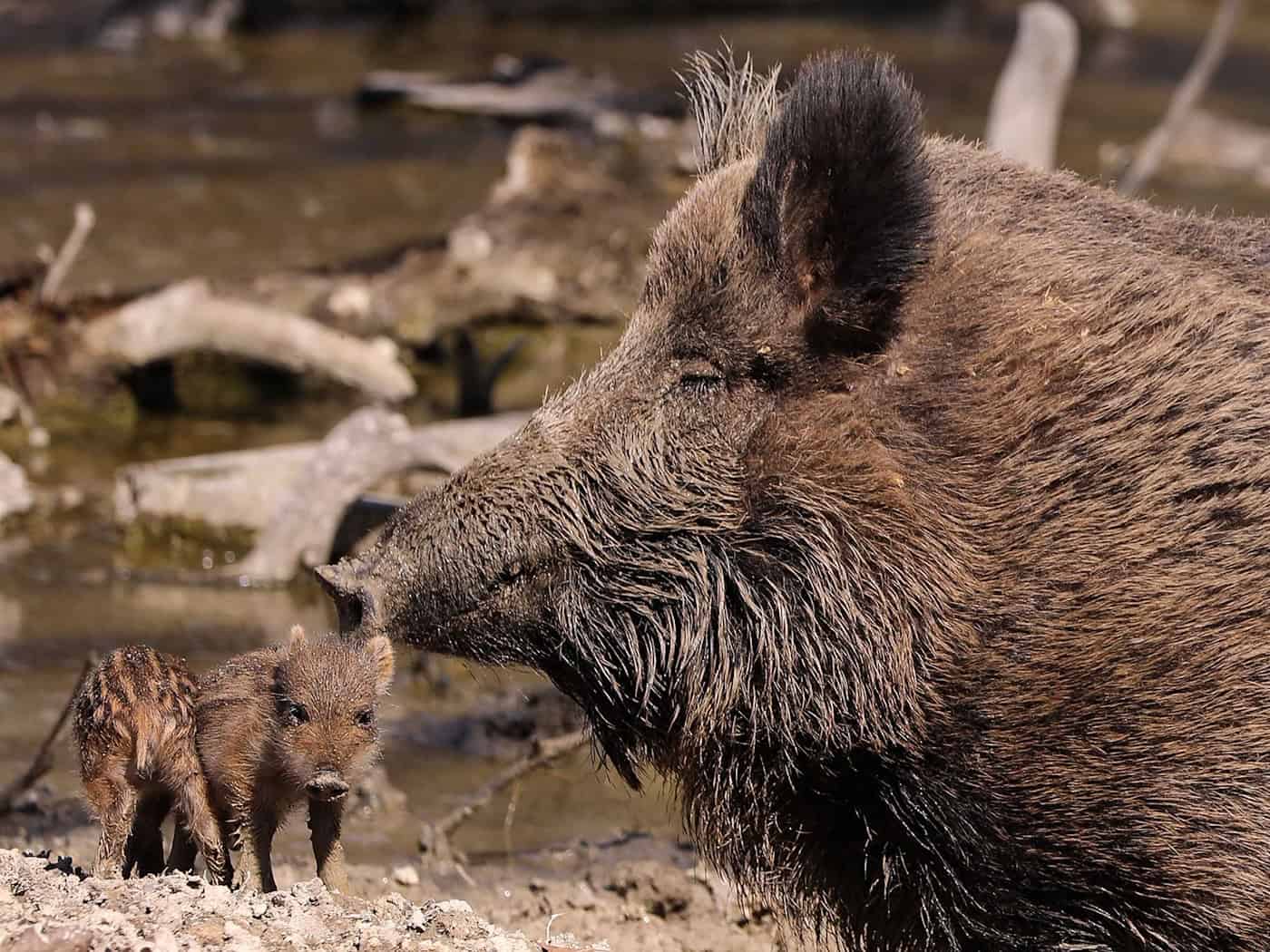
Even 40 years after the Chernobyl reactor accident, wild boar in Saxony and Thuringia are still occasionally contaminated with radiation. Last year, 109 wild boars in Saxony were found to have radiation levels above the permitted limit, 64 of which were wild boars. This is according to figures from the Federal Office of Administration (BVA), which are available to dpa. In Thuringia, 18 wild boars were found to have been contaminated, 6 of which were wild boars. The BVA reimburses hunters for game that cannot be sold due to excessive radiation exposure. Previously reported by "Bild". Wild boar meat is more contaminated than the meat of other animal species, according to the Saxon Ministry of the Environment. The reason for this is that wild boar like to eat deer truffles, which grow underground and whose radiation levels are more than ten times higher than those of edible mushrooms. However, the animals excrete the ingested radiocesium naturally after some time. The content in game meat is therefore not higher in older animals, but fluctuates over the course of the year. If hunters want to sell or hand over wild boar from areas contaminated with radiation, they must have the meat tested. If the maximum value of 600 becquerels of radiocesium per kilogram is exceeded, the venison must be disposed of. In the last hunting year (April 2024 to March 2025), this was the case in Saxony for 1,195 out of a total of around 27,700 hunted wild boar, according to the ministry. Around ten percent of the samples were contaminated. In Thuringia, around 35,000 wild boar were hunted in the 2024/2025 hunting year. Germany-wide, the BVA paid reimbursement for 2,927 animals. The majority of these came from Bavaria: 2,308 animals or just under 80 percent. In Baden-Württemberg, there were 491 wild boars. Another one came from Rhineland-Palatinate. No other game was affected throughout Germany. Copyright 2026, dpa (www.dpa.de). All rights reservedWild boar more contaminated due to feeding behavior
More than 60,000 wild boar hunted in Saxony and Thuringia

