


Heat favors bark beetles—but there is no threat of an infestation
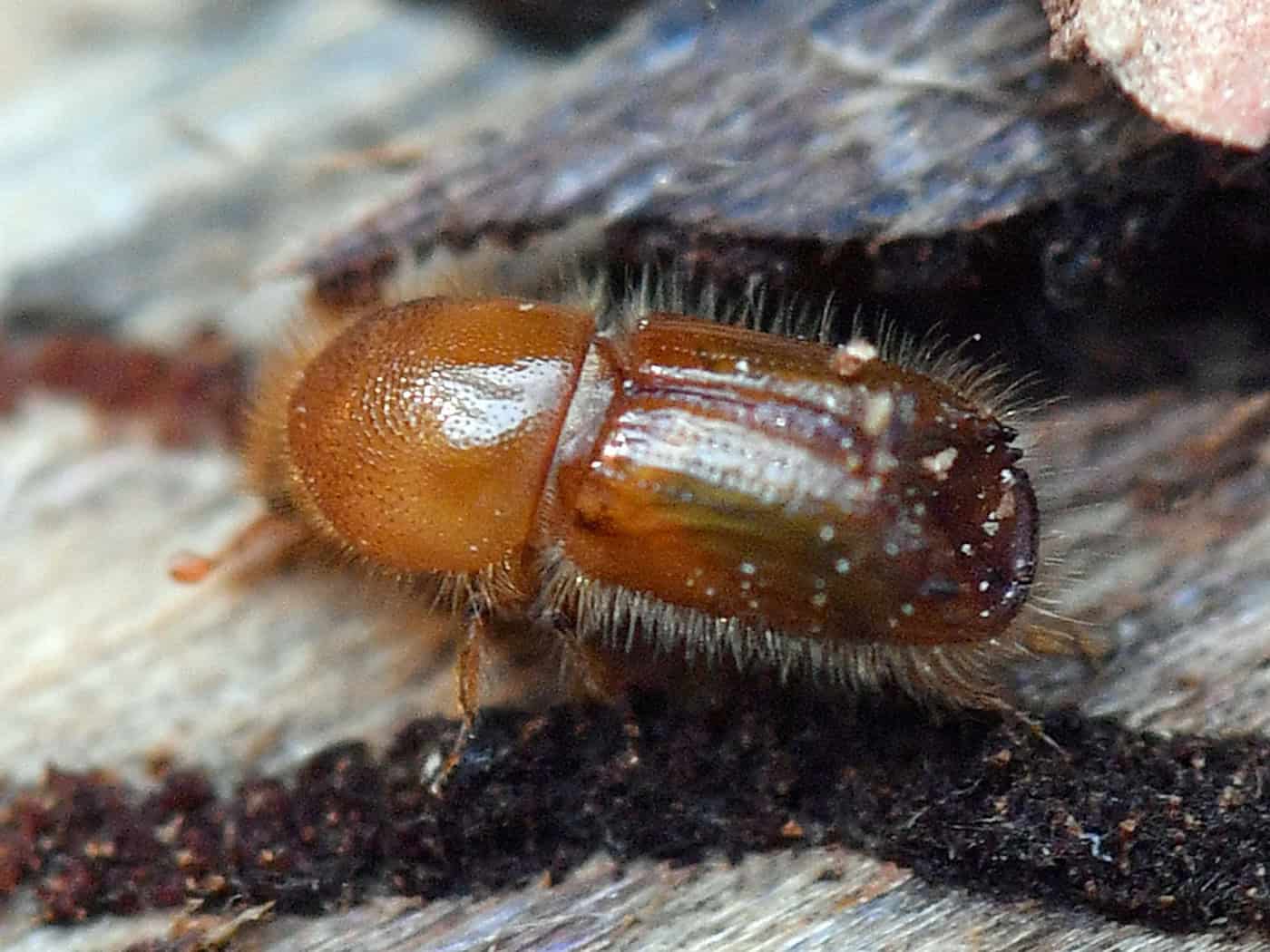
This summer’s heat waves have favored the spread of the bark beetle; nevertheless, according to Sachsenforst, the situation in the forests is not a cause for concern. “A slight and currently non-critical increase in the bark beetle population has been observed,” the state forestry agency stated in response to an inquiry. The bark beetle season began somewhat later this year than in 2025. However, the heat then caused the larvae to develop more quickly. Because the ongoing drought has also taken a toll on the trees and weakened their resilience, the risk of bark beetle infestation has increased. There are several reasons why, nevertheless, there is no threat of an infestation causing severe forest damage as in the years starting in 2018: In the winter of 2017–18, severe storms left behind large quantities of windfall, in which the bark beetles were able to nest perfectly. In addition, at that time, spruce trees in lower mountain areas were primarily infested. These trees are now gone—therefore, there is no longer any potential for another mass reproduction. Furthermore, forest owners have since gained more experience in dealing with bark beetles. Sachsenforst is monitoring the pest’s development. Trees in at-risk stands are inspected regularly. Traps at a total of 90 locations are used to track how the beetles swarm. In addition, the bark beetle’s population dynamics are being modeled. If an infestation is detected, the affected trees are removed as quickly as possible, before young beetles can fly out. This is intended to prevent further infestations in the surrounding area, the forestry administration explained. Copyright 2026, dpa (www.dpa.de). All rights reservedDifferent Conditions Than in the Drought Year of 2018

