

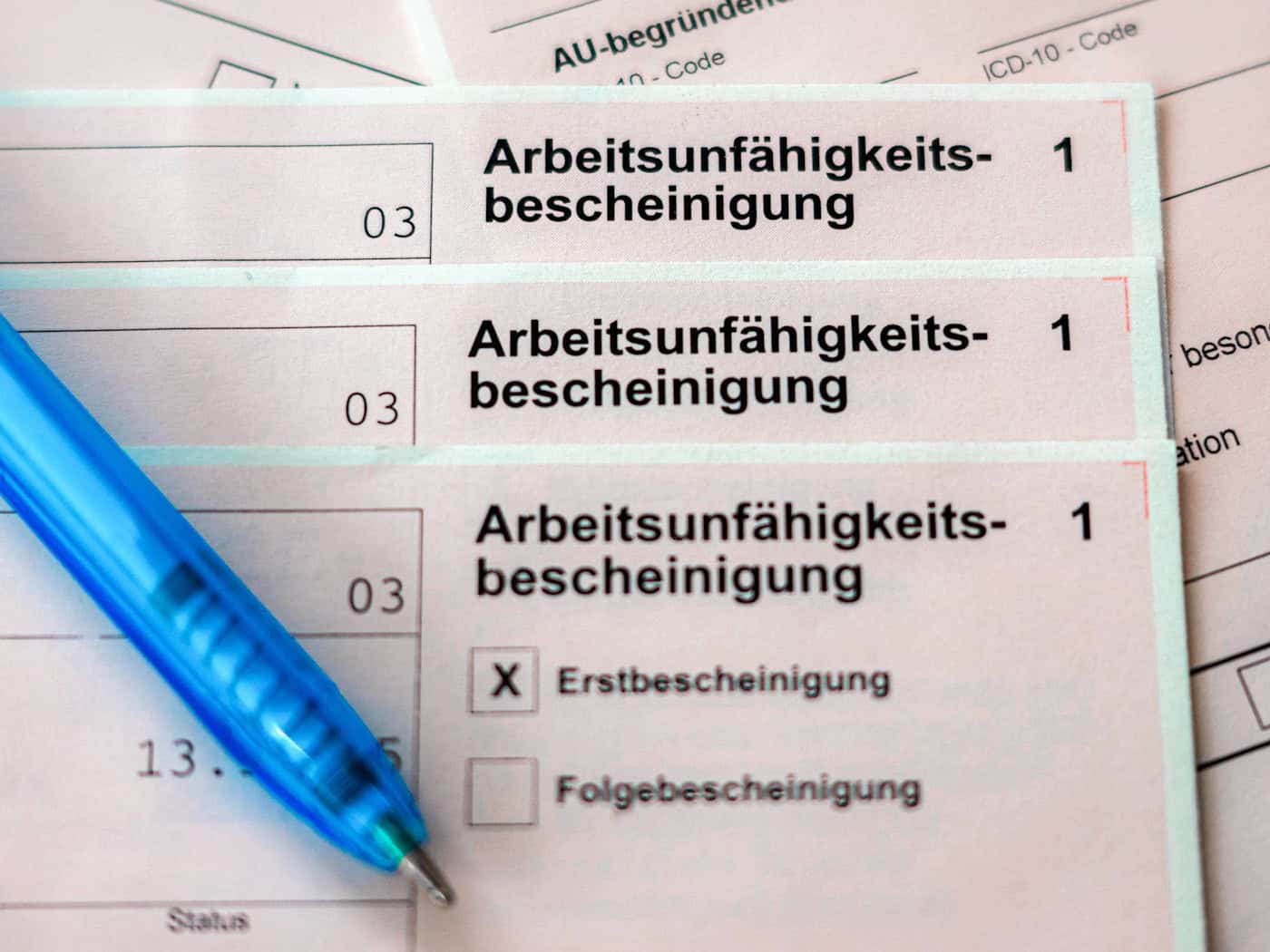
Depression, anxiety disorders: Mental health conditions are leading to increasingly longer periods of employee absenteeism in Saxony-based companies. Last year, on average, there were 417 days of absenteeism per 100 AOK-insured employees due to such diagnoses. Ten years ago, the figure was 269 days of absence, according to the health insurance provider. That represents a 55 percent increase. The “Absenteeism Report” was compiled by the AOK’s Scientific Institute. People with mental health conditions often miss work for weeks at a time. That is why the issue is becoming increasingly relevant for employers. The average duration of a sick leave due to mental illness was 26.7 days—four times as long as for respiratory illnesses, which averaged 6.5 days. “Mental health is no longer a marginal issue. The rising absenteeism rates show how important it is to recognize stress early on and prevent it so that people can enjoy more healthy years,” explained Stefan Knupfer, CEO of AOK Plus. According to the report, the highest number of sick leave cases due to mental health conditions (41 per 100 AOK-insured employees) was found in dialog marketing. This includes, for example, call centers. High rates were also recorded in professions in therapeutic care and special education (28.1 cases), elder care (27.5 cases), and home and family care (27.4 cases). The AOK pointed out that rising absenteeism due to mental health conditions does not automatically mean that these conditions are increasing to the same extent among the general population. Part of the increase can be explained by the fact that mental health conditions are now better recognized, more openly discussed, and more frequently treated, the organization stated. Copyright 2026, dpa (www.dpa.de). All rights reservedParticularly High Rates in Dialog Marketing


