


Clean aviation: TU Dresden unveils flying test laboratory in Lusatia
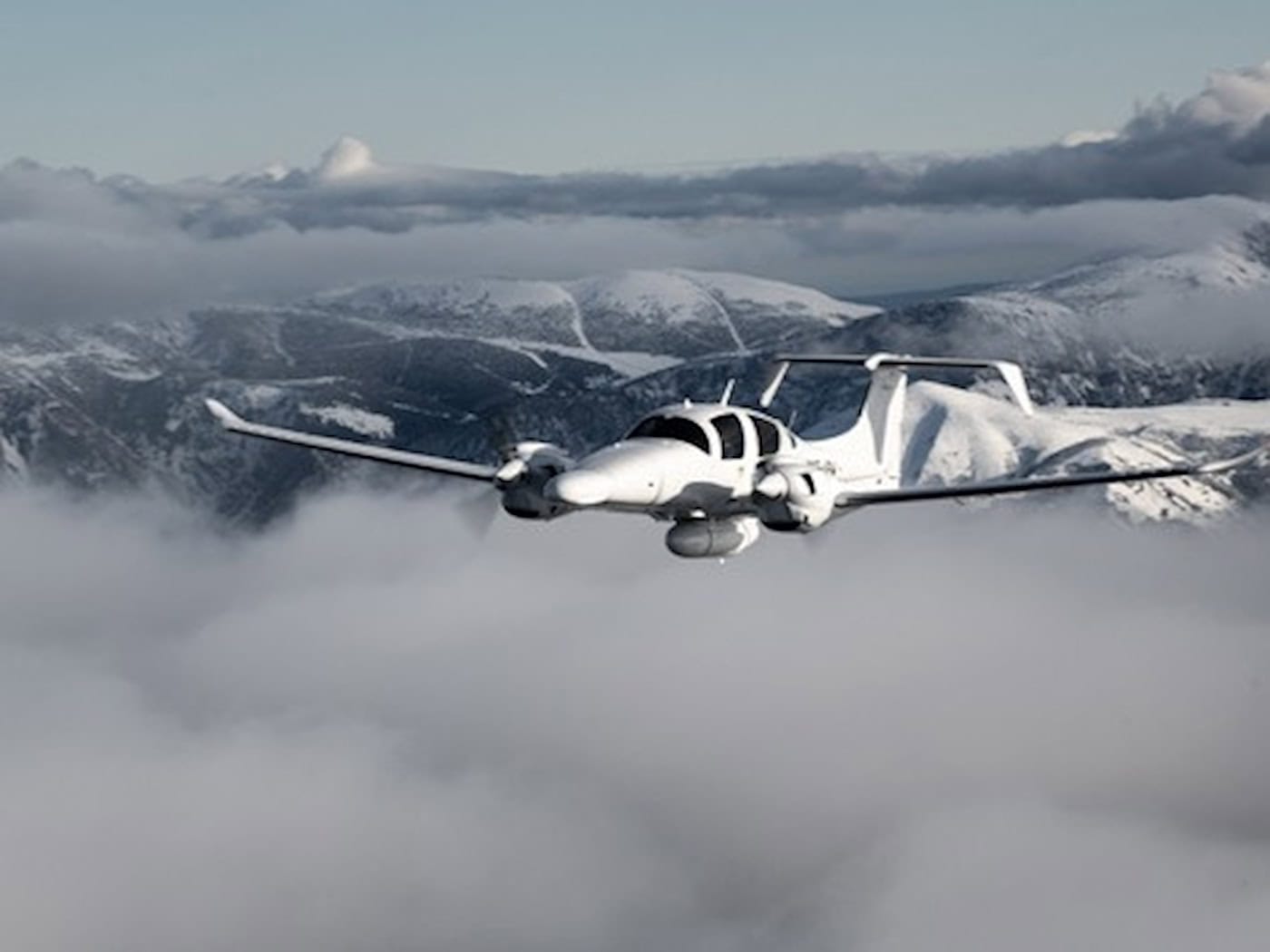
Flying has become part of everyday life for many people, whether for holidays, business trips or visiting family abroad. But aircraft burn large amounts of kerosene and contribute significantly to climate change. Researchers at TU Dresden are working on solutions to make aviation more climate-friendly. To this end, they have put a new research aircraft into operation at Kamenz airfield in Lusatia.
The aircraft’s purpose is what makes it unique. It is neither a passenger nor a transport plane, but a flying test laboratory. New propulsion systems can be tested on board, including electric, hydrogen-based and hybrid concepts. Until now, such technologies have mainly been tested on the ground. Researchers can now investigate how they perform under real flight conditions.
High-tech on board
“With the research aircraft, we are closing the crucial gap between theory and practical application,” says Prof. Maik Gude from the Institute of Lightweight Engineering and Polymer Technology at TU Dresden. “Sustainable aviation is not just about the engine, but about the holistic integration of propulsion systems into the aircraft.” The new research aircraft is far more than just a test platform, adds Prof. Johannes Markmiller from the Institute of Aerospace Engineering. “It is the key to unlocking the enormous potential of fossil-free propulsion systems and making the vision of climate-neutral aviation a reality.”
The aircraft is a twin-engine Diamond Aircraft DA62 MPP, designed for research and survey missions. Interchangeable housings, known as pods, can be mounted on the nose, fuselage and wings. They contain high-tech sensors and camera systems. This allows researchers to measure precisely how propulsion, structure and energy systems interact during flight. The aircraft can remain airborne for up to ten hours, enabling extensive measurements under real conditions.
Kamenz becomes an aviation hub
Around the world, research is underway on climate-friendly aviation, including electric and hydrogen propulsion. However, many tests still take place under controlled conditions on the ground. The Dresden research aircraft enables testing under real flight conditions. At the same time, widespread application is still some way off. Technical challenges and infrastructure requirements remain unresolved. The FoFlu project is therefore an important intermediate step. It is funded with €4.6 million by the European Union and the Free State of Saxony. The aircraft itself cost around €3 million.
In the future, Kamenz airfield is set to become more than just a base for test flights. It is developing into a hub for a growing aviation research region in eastern Germany. The OST4Aviation platform aims to bring together science and industry. Plans also include a dedicated refueling station for sustainable aviation fuels and hydrogen on site. The long-term goal is clear: flying without fossil fuels such as kerosene. The test flights will provide the data needed to move closer to that goal.

