


AI can tell when an apple is ripe
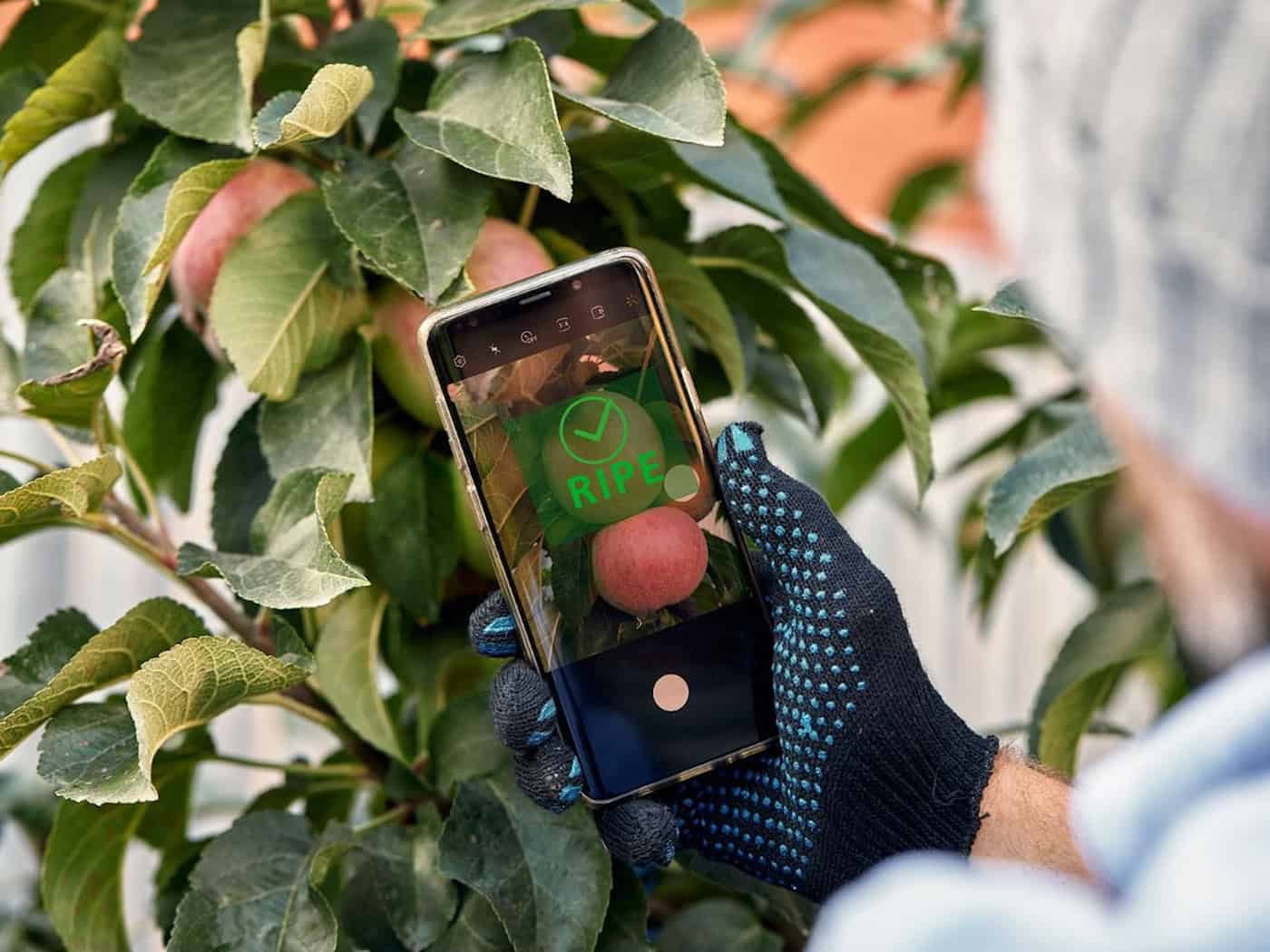
The smartphone knows when we sleep. Glasses can detect where we are looking. And soon a device could determine whether an apple is ripe for picking . All of this requires artificial intelligence. But it consumes energy. A new research project wants to change that. The Federal Ministry of Research, Technology and Space is funding the AI-DISCO project with around 15 million euros. The full name is "Edge Cloud AI for Distributed Sensing & Computing". Behind the somewhat unwieldy title is a simple idea: AI should process data where it is generated rather than in a distant data center.
Today, huge amounts of data are constantly sent back and forth: from the device to the cloud, and back again. This costs energy and time. AI-DISCO is developing so-called edge nodes, that is, small, intelligent computing units that process data locally and immediately. Only the most important data is then sent to the cloud. This saves energy, protects sensitive data and makes systems faster.
Intelligent sensor technology from Saxony
The Fraunhofer Institute for Photonic Microsystems (Fraunhofer IPMS), based in Dresden, is a key partner in the project. Researchers there are developing hardware components that bring AI directly into small devices, making them particularly energy-efficient and fast. One example is a miniaturized NIR spectrometer currently being developed. It measures light in the near-infrared range and can therefore determine the ripeness of fruit without damaging it. The institute is also researching glasses that record eye movements using ultrasound – a technology that could be used in medicine or to control devices with eye movements.
"With our research into neuromorphic hardware and intelligent sensor integration, we are laying the technological foundation for powerful and energy-efficient AI systems," says Dr. Sebastian Meyer, Head of the Integrated Silicon Systems division of Fraunhofer IPMS in Cottbus. He emphasizes that the project also strengthens Lusatia as a high-tech location.
Brain as a role model
The developments are based on a fascinating approach: neuromorphic AI. This means that the technology mimics how the human brain processes information – in pulses, in parallel and without central control. As a result, it requires less power than conventional systems.
Fraunhofer IPMS is developing special processors for this purpose, in which computing and storage take place in the same place. This is called "in-memory computing". The project also relies on federated learning. In this approach, AI systems learn from data on many devices without transferring the data to a central location. This protects the privacy of users.
AI-DISCO is the first module of a new nationwide research structure, the R+I Factory for AI and Microelectronics. It aims to bring research and industry closer together and accelerate the development of new AI and chip technologies.

