


Bacteria-based sensor detects toxic styrene
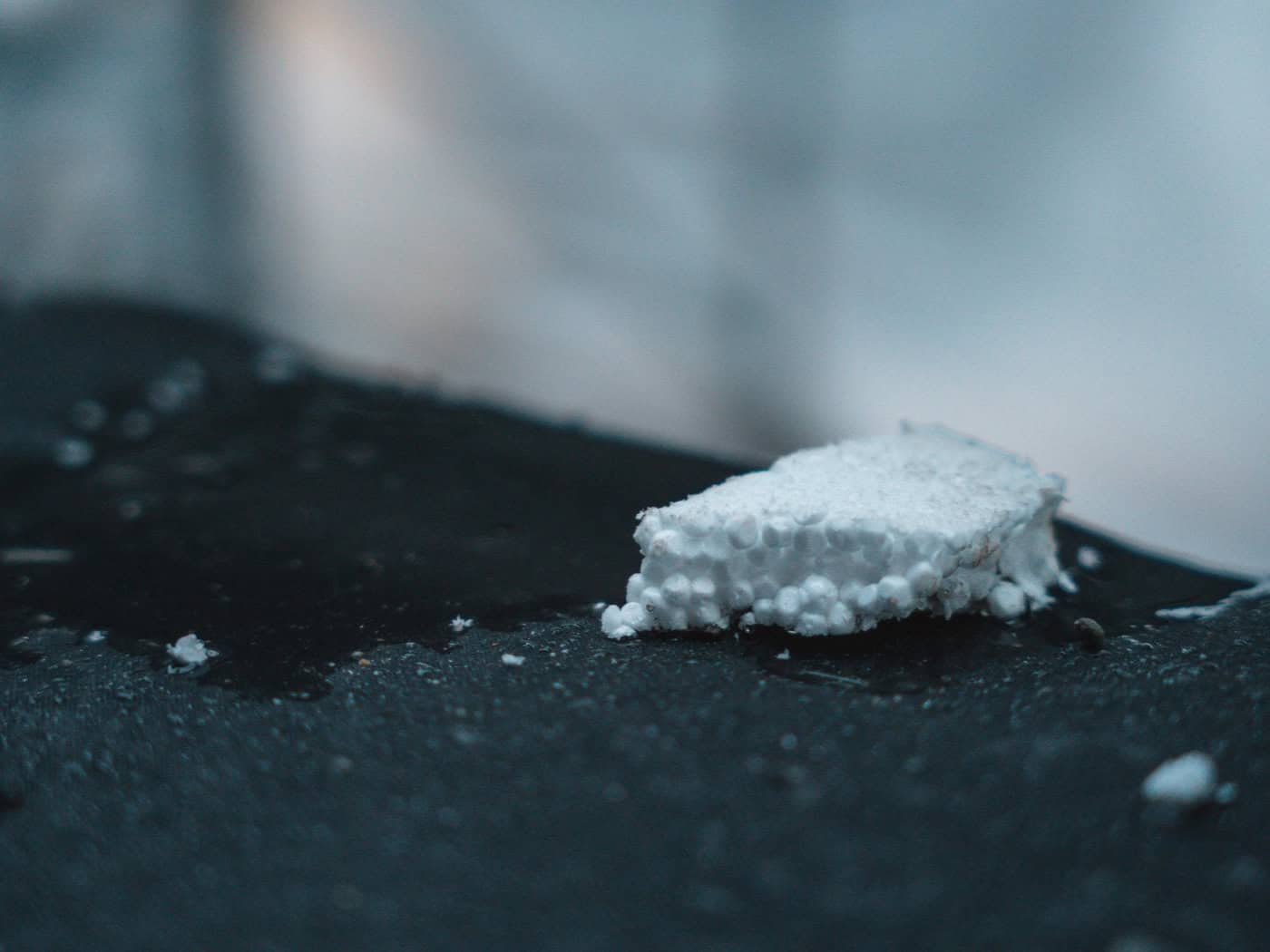
Everyone knows Styrofoam. It can be found in the packaging for new electrical appliances or in the insulation behind a house facade. But hardly anyone knows which substance is the basis for it. Styrene is the basic product of polystyrene and a volatile liquid that spreads quickly in the air and enters the body via the respiratory tract. When processed, it is considered harmless to health, but in its original form, styrene is extremely hazardous to health. It can damage the nervous system and mucous membranes.
Styrene is also suspected of causing cancer and impairing fertility. As styrene is used in large quantities in industry, it can also be released into the environment unintentionally. Researchers at TU Bergakademie Freiberg want to make it much easier to detect this chemical. With a rapid test that reliably detects the substance.
Colored by poison: How the sensor works
At the Institute of Biosciences at the Bergakademie, the team led by Dr. Michel Oelschlägel is working on the Styrene BioSense project. "Our biosensor is based on genetically modified cells from a harmless bacterium," explains Oelschlägel. "These cells are able to change color in the presence of a selected organic pollutant." The color change not only indicates whether styrene is present. It should also reveal how much of it is in the sample.
Existing analysis methods for styrene are complex, expensive or they also work with similar substances - in other words, they are too imprecise. The new biosensor is designed to surpass this. And at a fraction of the previous price. The test is said to be up to 20 times cheaper than existing methods. This is particularly important when many samples need to be tested at the same time, for example in a factory or during an environmental inspection.
From the factory to the environmental authority
The potential areas of application are vast. In the plastics industry, the test can ensure that products, waste or exhaust air do not contain styrene. In the construction industry, where materials containing styrene are processed, it can be used to improve occupational safety. Authorities could also use the sensor on a large scale for environmental controls.
Styrene is just the beginning. The Freiberg researchers are planning a flexible system that can be transferred to other pollutants or heavy metals. The project runs until January 2028 and is funded by the Dr. Erich Krüger Foundation. In the long term, the biosensor could help to detect pollutants more quickly and better monitor environmental protection and occupational safety.
Further information on the project can be found here.

