

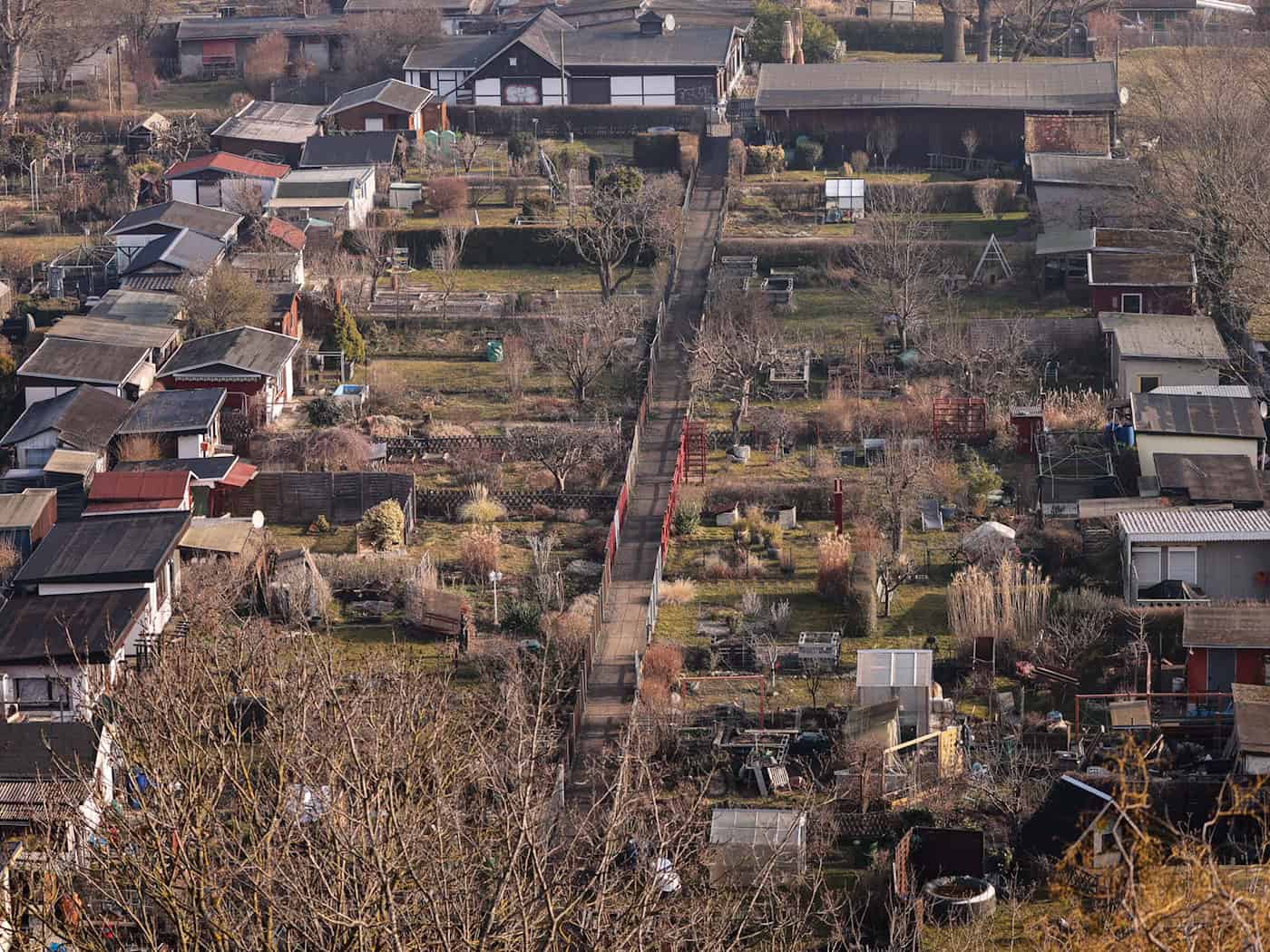
The situation for community gardens in Saxony is strained due to demographic and financial factors. While there is high demand for allotment gardens in major cities—and waiting lists for new applicants are common—many associations, particularly in rural areas, are reporting declining membership numbers and vacant plots, according to the Saxon Ministry of the Environment. According to the State Association of Allotment Gardeners, this has led to the most pressing concern: the costs of dismantling vacant plots. “Within just a few years, the costs have risen from 4,000 to an average of 7,000 euros,” said the association’s president, Tommy Brumm. Many former leaseholders can no longer afford this, and the clubs or associations then have to step in. Last year, one club in the Vogtland region had already filed for bankruptcy. The municipality then purchased the land. To this end, the ministry plans to establish a State Allotment Garden Advisory Board. Discussions regarding the exact composition of the advisory board are ongoing, as a spokesperson stated in response to an inquiry. The planned advisory board could help coordinate efforts between associations, municipalities, and the state government, said Brumm. Last year, the ministry included allotment garden associations in the “Urban Greenery, Noise, Radon” funding guidelines. This funding can help to remove paving, deconstruct structures, and return the land to a meaningful use. The scene experienced its first boom in the GDR in the 1980s due to restricted freedom of travel, Brumm said. Then, during the COVID-19 pandemic, there was another surge due to lockdowns and social distancing measures. “Of those, only about a third remain today.” The abandoned plots would require significant financial resources to be restored. According to association figures, Saxony’s allotment garden system currently organizes 179,893 allotment gardeners, reaching approximately 500,000 people when families are included. About 9,000 hectares of garden land are cultivated statewide. At the end of last year, there were 199,619 plots, of which 17,501 were vacant. The advantages of allotment gardening are obvious: They bring people from all social classes together and offer a healthy recreational activity in nature. In addition, healthy food can be grown for personal consumption. Allotment gardens create green spaces in cities, preserve biodiversity, and have a positive effect during periods of high temperatures. The rigid rules governing behavior and garden design are often perceived as disadvantages. “We want to streamline the allotment garden regulations. Tenants should be subject to fewer restrictions. We want to move toward a culture of encouragement rather than prohibition,” emphasized Association President Brumm. Copyright 2026, dpa (www.dpa.de). All rights reservedCosts for dismantling vacant plots have risen enormously
State Advisory Board for Coordination Planned
A boom during the GDR era and the COVID-19 lockdowns
Association: Aiming for a culture of voluntary participation and less micromanagement


