Logo Die Sachsen News
News / Various news

Enzyme from Leipzig Solution to the plastic crisis?

Enzyme from Leipzig Solution to the plastic crisis?
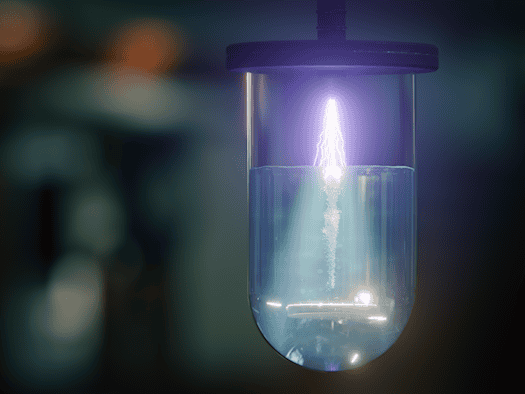
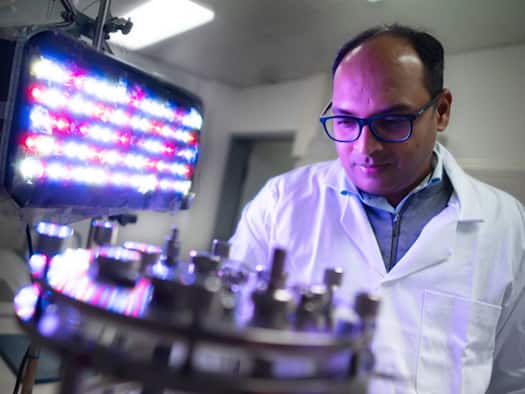
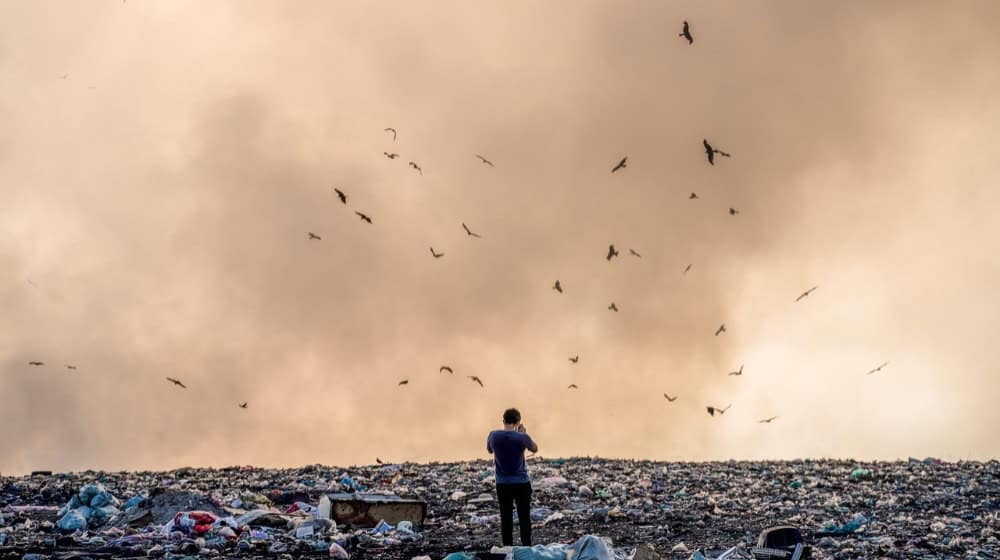
Innovative plastic decomposition: Enzyme from Leipzig revolutionizes recycling / Symbolic image: © pixabay.com (The symbolic photo shown serves to illustrate the topic without directly depicting the action).
From: Leipzig News
A modified enzyme from Leipzig's South Cemetery decomposes plastic in record time and is said to be the solution to the plastic crisis.

Biochemists at Leipzig University have discovered an enzyme that breaks down plastics in record time. This groundbreaking enzyme was found in an inconspicuous pile of leaves in Leipzig's South Cemetery and has the potential to solve the plastic crisis. Even in its original form, the enzyme was able to break down PET into its individual parts within 24 hours. A speed that has never been achieved by any previously known protein.

Here you can find a comprehensive ZDF report on the discovery of the PHL7 enzyme from 2023 and also a report from ARD from 2024:

The enzyme has since been further developed and now decomposes a plastic shell in just twelve hours. This progress is thanks to the work of Dr. Christian Sonnendecker and his team, who took on the challenge of developing a practical process for decomposing plastic. For this reason, they founded the start-up "ESTER Biotech" to transfer the technology into application.

Plastic is a global threat to the environment and human and animal health because it was originally manufactured to be durable. This enzyme could provide a sustainable solution to the growing amount of plastic waste. With financial support from the German government's Exist program, the researchers are working on increasing the decomposition capacity to up to 1000 liters.
More from this category

A network of science, industry and citizens will also help to create the necessary framework conditions to successfully implement this technology. Plastics that are highly non-biodegradable can be recycled using the latest enzyme technology, enabling a closed cycle.

The advantages of the new enzyme are manifold. It is heat-resistant, works efficiently and could establish new standards for recycling. However, the price of biochemically recycled plastics is not yet competitive with inexpensive petroleum-based products. The business models for such innovative approaches will also depend on the political framework conditions.

The translations are automated with the help of AI. We look forward to your feedback and your help in improving our multilingual service. Write to us at: language@diesachsen.com.
Leipzig News
Article from

Leipzig News

Leipzig News is responsible for the content itself. The platform's code of conduct applies. The platform checks and treats content in accordance with the legal requirements, in particular the NetzDG.