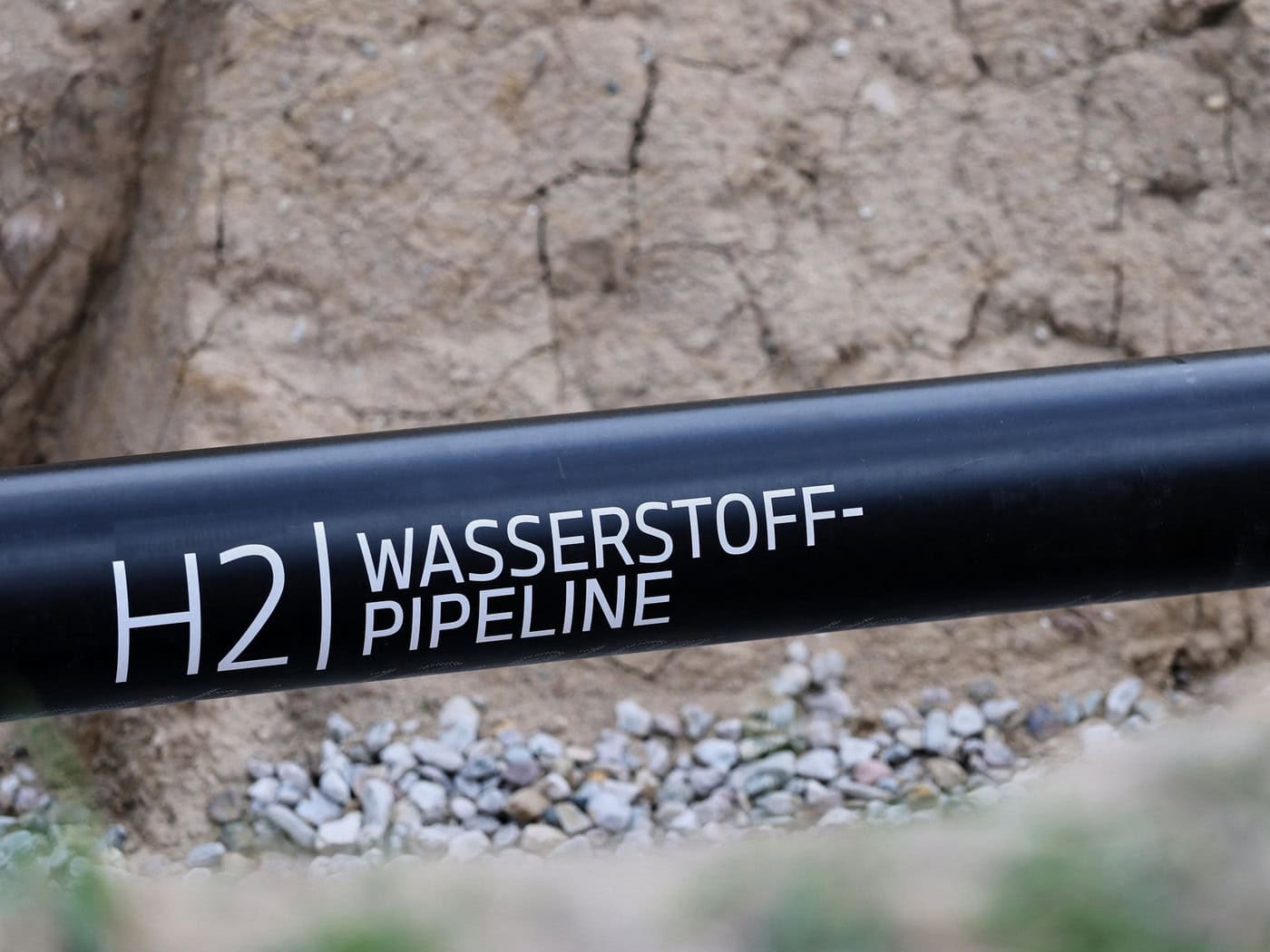
A new study will examine the economic opportunities that hydrogen pipelines could offer to companies and locations in eastern Germany. According to the Initiative for Hydrogen in Eastern Germany (IWO), it has commissioned the Research Center for Energy Economics (FfE) to conduct the study. Among other things, the FfE plans to analyze future hydrogen demand and production potential across various user groups, technological alternatives, and development and growth prospects. The study will also examine whether a connection to the network can strengthen existing industrial sites, enable additional investments, or facilitate the establishment of new businesses. Locations without imminent access to the core hydrogen network will also be considered. If there are no suitable alternatives to hydrogen use in those areas, the study will examine, on a case-by-case basis, the economic conditions for establishing and operating local isolated networks. “For companies, the availability of hydrogen can be a factor in future investment decisions; for producers, it creates access to potential markets,” said IWO Managing Director Dominik Härle. The initiative did not provide a timeline for the study. The hydrogen core network is intended to connect production and consumption regions in Germany and transport hydrogen via pipelines to companies and other customers. The approved plan covers more than 9,000 kilometers of pipelines. Parts of the network are already in operation: According to the transmission system operators, 537 kilometers of hydrogen pipelines were in operation in October—with an additional 900 kilometers scheduled to be added by the end of 2027. For businesses with future hydrogen needs, a connection can provide access to the supply and play a role in investment and location decisions. Copyright 2026, dpa (www.dpa.de). All rights reservedDemand and Regional Opportunities
What the core network is intended to achieve