

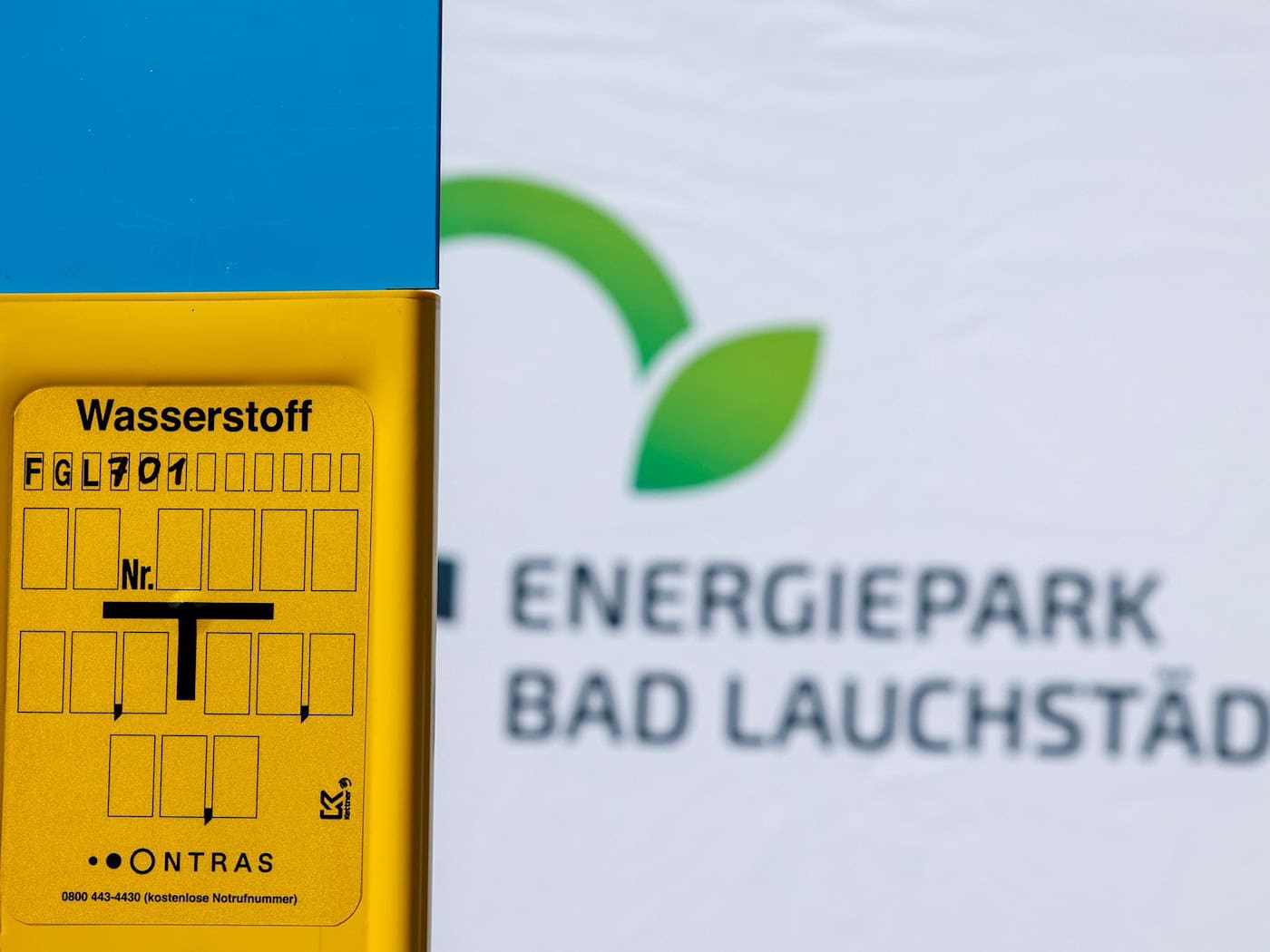
The East German energy company VNG still sees major hurdles in the ramp-up of the hydrogen economy. "The hydrogen network must ultimately be filled with hydrogen - otherwise it will remain an empty shell," CEO Ulf Heitmüller told the German Press Agency. It is crucial that projects are not only built, but that demand and economic conditions also come together. The hydrogen ramp-up has only made slow progress so far. Projects are being slowed down by long approval procedures, strict regulations and a lack of planning certainty, said Heitmüller. At the same time, there is still no reliable demand in many places. In addition, the production costs are higher than many companies are willing to pay. The BMW plant in Leipzig could be one of the first major customers in eastern Germany. The car manufacturer wants to connect its site to the planned hydrogen core network. According to current plans, a connecting pipeline around two kilometers long will bring hydrogen directly to the plant from mid-2027 and replace the current delivery by truck. "The planning and necessary approvals are in progress and on schedule, the start of construction for the pipeline is planned for the autumn, so there is currently nothing to prevent the pipeline from going into operation in mid-2027," the company announced. The use of hydrogen will initially begin in the paint shop, where process heat is generated. Further plants could be converted in the future. At the start, BMW anticipates a demand of around 150 tons of hydrogen per year, which could rise to more than 1,500 tons in the long term. However, its use is initially only economically viable to a limited extent. "Even without subsidies, we don't expect the use of hydrogen to be economically viable until the early 30s at the earliest," said BMW spokesman Kai Lichte. In addition to the automotive industry, the chemical industry is also focusing on hydrogen as a building block for more climate-friendly production. The Total Energies refinery at the Leuna Chemical Park is planning to reduce its CO2 emissions by 50 percent by 2030 - partly with the help of green hydrogen. A pipeline between the Bad Lauchstädt energy park and the refinery was already completed last year. However, according to the company, the first deliveries of green hydrogen are not expected until later this year. According to Total Energies, green hydrogen is "the central element of our CO2 reduction roadmap". The basis for the development of the infrastructure is the nationwide hydrogen core network. By 2032, around 9,000 kilometers of pipelines are to be built to connect major industrial centers, import points, storage facilities and generation plants. The majority of the pipelines are to be created by converting existing natural gas pipelines. The Federal Ministry of Economics sees the network as a key prerequisite for the market ramp-up. At the same time, whether hydrogen becomes established in the industry depends largely on costs, funding instruments and demand. Copyright 2026, dpa (www.dpa.de). All rights reservedBMW plans pipeline connection in Leipzig
Industry focuses on hydrogen - for example in Leuna
Core network to connect industrial centers


