


African swine fever eradicated in Saxony
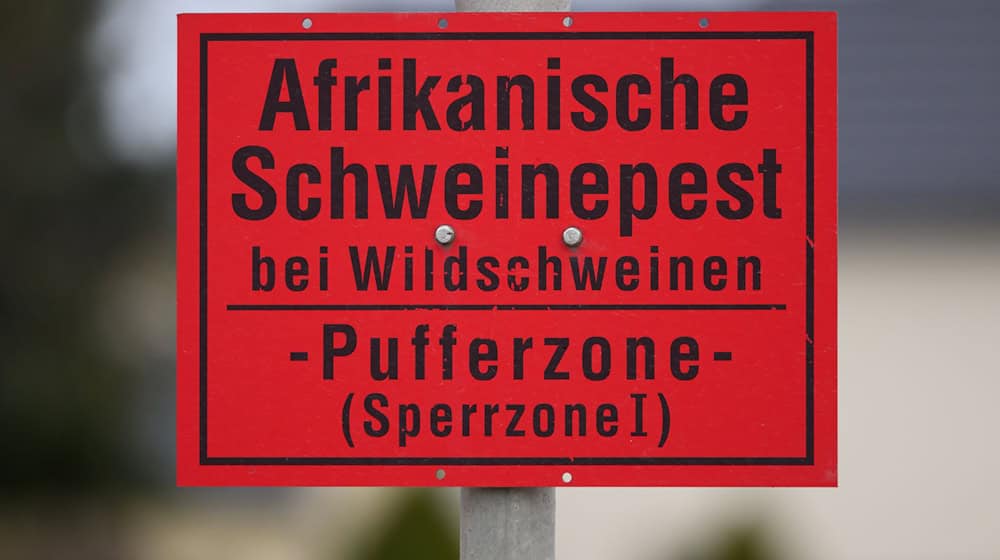
Saxony is free of African swine fever (ASF), according to the responsible ministry. The last case was a year ago, meaning that African swine fever has been successfully eradicated, according to the Ministry of Social Affairs. A great burden has been lifted, said Social Affairs Minister Petra Köpping. "Five and a half years of fighting ASF was an incredible feat of strength for those involved, which we have successfully mastered," emphasized the SPD politician. She thanked, among others, the employees at the State Research Institute, the State Directorate, the local veterinary offices, the hunting community and farmers and foresters. In September 2020, the first case of ASF in a wild boar in Germany was confirmed in Brandenburg. The first case was reported in Saxony at the end of October 2020. Since then, a total of 2,398 cases of ASF have been detected in the state. Domestic pigs were not affected. According to the information provided, the exclusion zones required to combat ASF affected around a third of Saxony's area at its largest spread in 2023. In total, around 830 kilometers of protective fences were erected to limit the spread of the virus. A good 237,500 samples have been tested at the state testing institute since fall 2020. In total, the Free State of Bavaria has spent around 60 million euros on combating ASF. ASF is a viral infection that only affects wild and domestic pigs. It is harmless to humans and other animal species. It is almost always fatal and incurable. Surviving animals do not develop immunity to the virus and can therefore become infected again. There is currently no way of protecting pigs by vaccination. The disease can be transmitted directly from animal to animal or indirectly through humans via contaminated objects and feed. Copyright 2026, dpa (www.dpa.de). All rights reservedGreat and expensive effort to combat ASF
ASF not dangerous for humans

