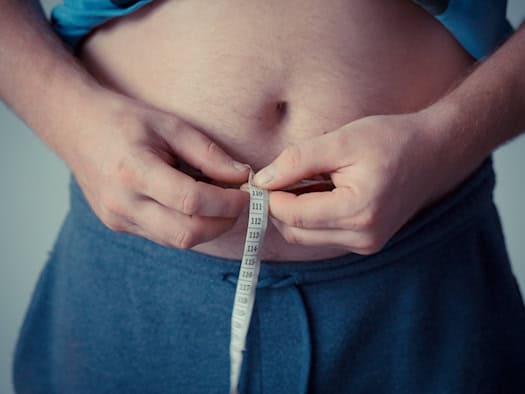

A diet from years ago—and yet it still offers protection today. Researchers at the University of Leipzig, in collaboration with colleagues from Israel, have found that reducing visceral belly fat lowers the long-term risk of type 2 diabetes – even if weight increases again after the diet. | more
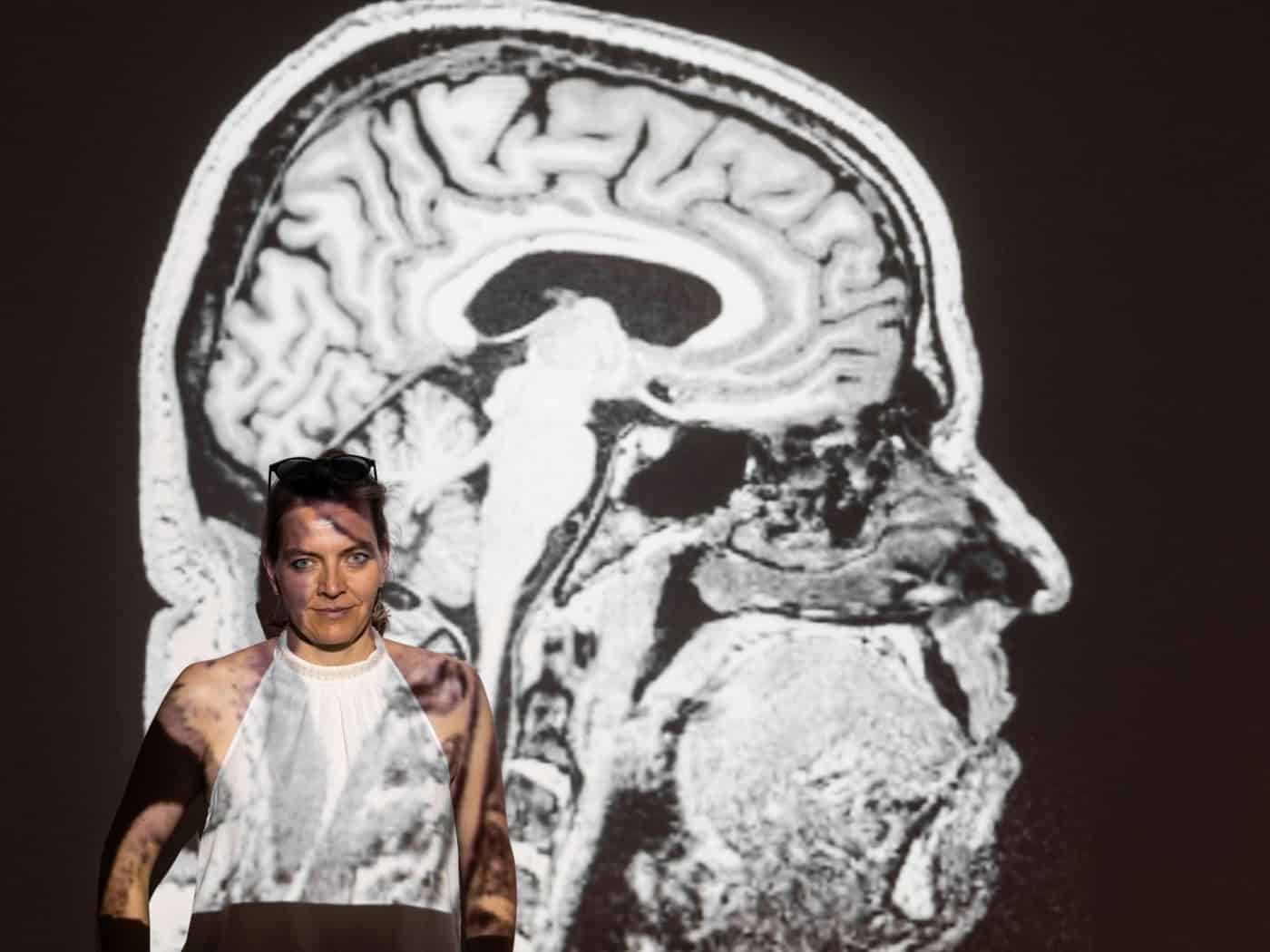
For decades, women were excluded from medical studies. Researchers at Leipzig University are now investigating how hormones shape the brain — and why this is crucial for women’s health. | more
Auf dem Weg zur Arbeit, beim Spaziergang durch Dresden oder beim Warten auf die nächste Bahn – überall können sie liegen: leere Pfandflaschen und Dosen. Für die meisten sind sie Müll, für andere ein kleiner Schatz. Genau daraus macht Pfandpirat eine digitale Schatzsuche, bei der Nutzer Fundorte entdecken, selbst Flaschen melden, Punkte sammeln und gemeinsam auf die Jagd gehen können. Hinter der ungewöhnlichen Idee steckt der Dresdner Sammy Zimmermanns. Wie aus herumliegenden Pfandflaschen ein echtes Spiel für die Stadt geworden ist, lesen Sie hier. | more
Why do we stop eating? The answer lies deeper in the body than previously thought. An international team of researchers, including scientists from Leipzig University, has now discovered how fatty acids inside cells help regulate appetite – and identified what is believed to be an evolutionary precursor of today’s best-known weight-loss hormones. | more
Why do people die not from the actual trigger, but from an excessive reaction of their own body? Prof. Berend Isermann from the University of Leipzig is investigating exactly this question. In medicine, this phenomenon is known as thrombo-inflammation. Isermann and his team have identified a molecular “switch” that could one day make it controllable. | more