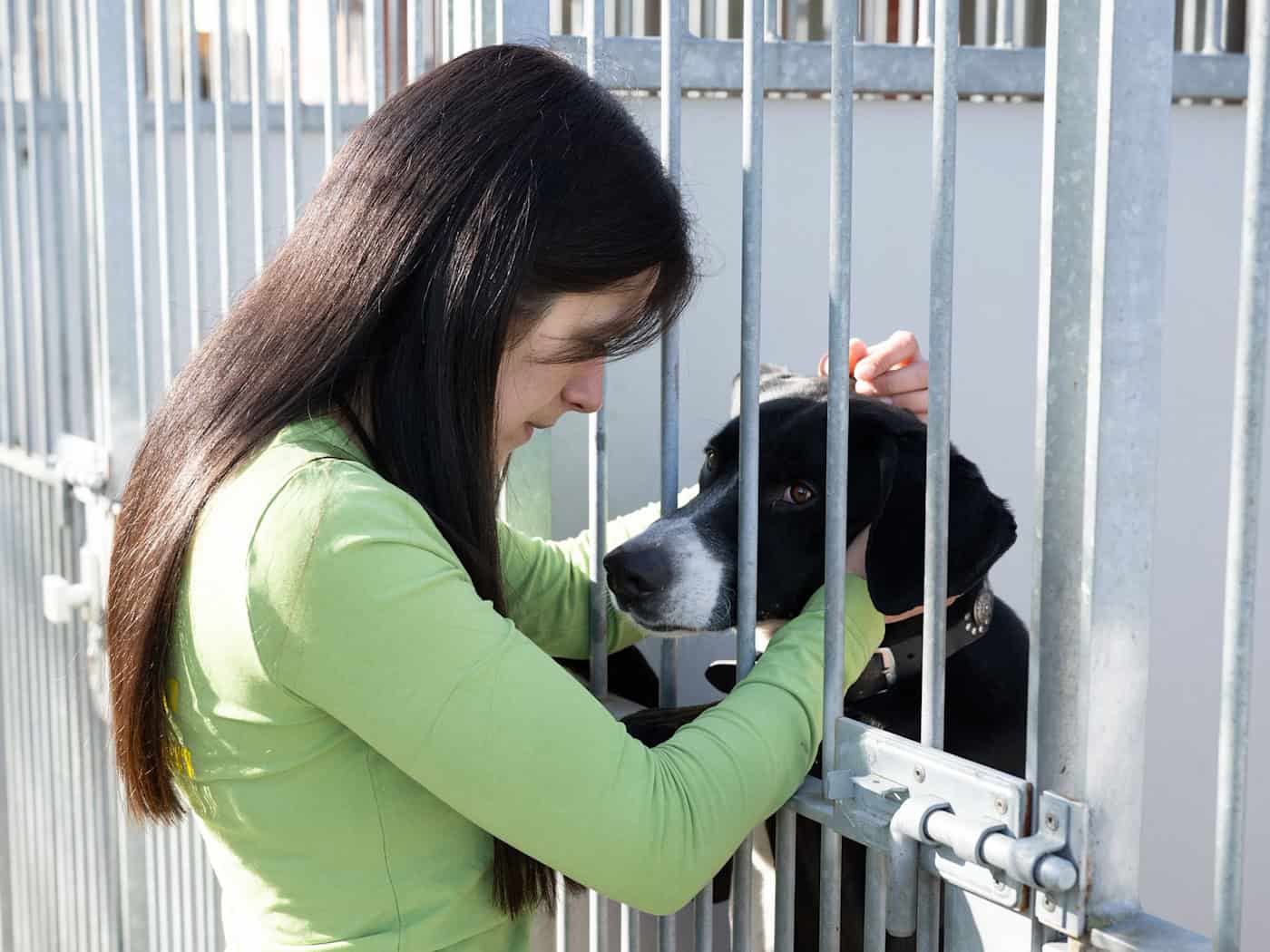
They often have a history of suffering behind them and are now considered difficult to place: In Saxon animal shelters, cases of animals that are conspicuous in their behavior or are brought there in a neglected state are piling up. It is as if the supposedly animal-loving German society has gone mad. "The percentage of animals that stay there for a long time is increasing," says Lutz Meißner, head of the animal welfare department at the responsible Dresden city office.




People should think carefully about whether an animal fits into their lives
It becomes particularly critical when there are children in the household and people have acquired a large dog in its prime via some internet platform, says Weißbach, describing a recurring case. "It would be nice if people would finally think again about their actions and really consider carefully whether an animal fits into their lives."
"Somehow everything has become more extreme, both in terms of neglecting or mistreating animals and overprotecting them," reports Ira Weißbach. There are people who are unable to look after themselves or their animals and neglect them - but don't realize it themselves.
"We are confronted with sometimes very serious neglect of animals on an almost daily basis," says Michael Sperlich, 1st Chairman of the Saxony State Animal Welfare Association, who runs an animal shelter in Leipzig. For years now, the expectations of people who see themselves as "customers" have been increasing. Above all, they expect the shelters to guarantee the health of the animal, which is objectively not possible.