


The first swallows are back in Saxony
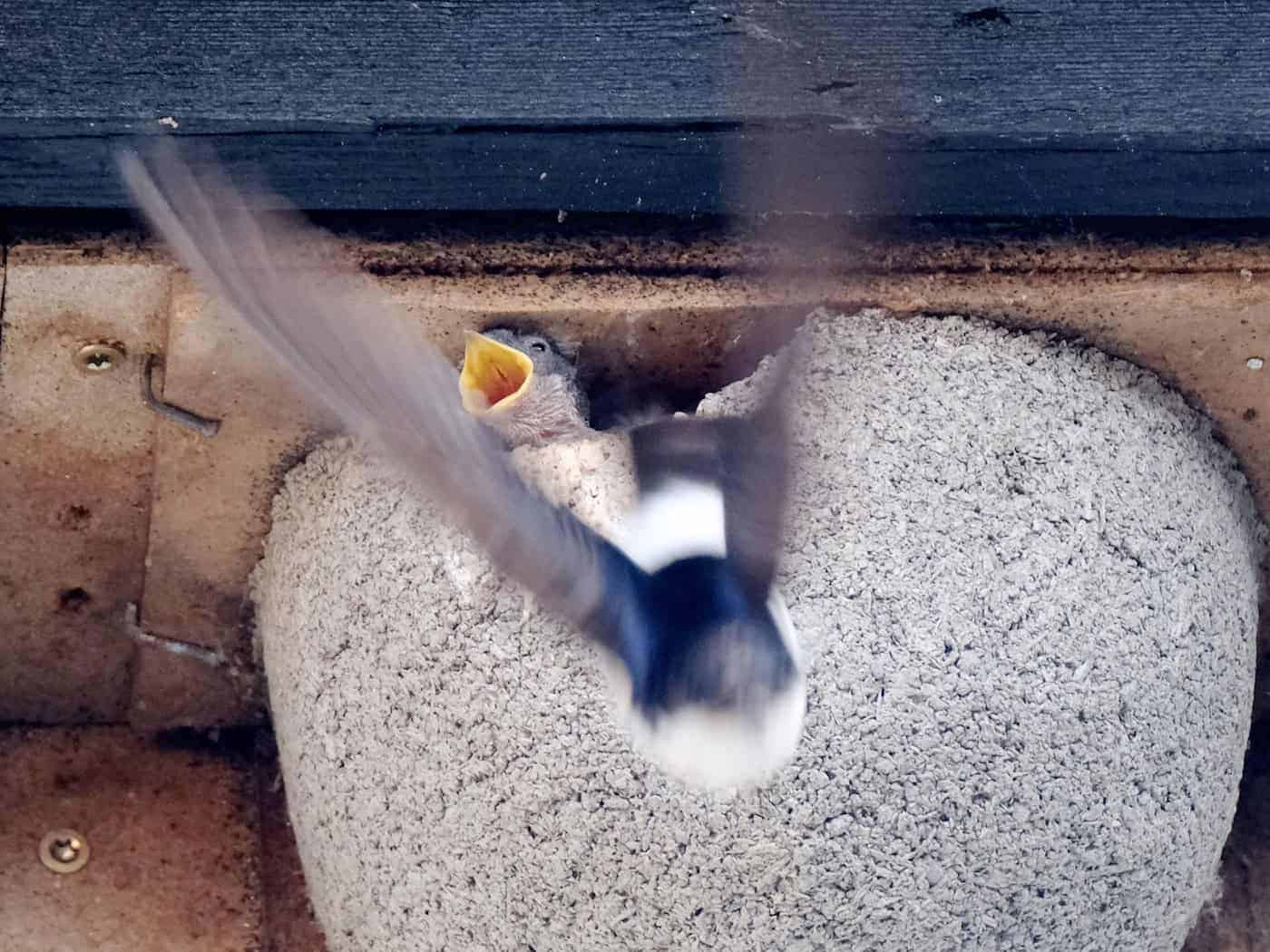
The first swallows have returned to Saxony from their African wintering grounds. Three barn swallows were spotted on March 31 at the Deutschbaselitz pond east of Kamenz and reported to Ornitho.de - the internet portal for birdwatching - according to the German Nature and Biodiversity Conservation Union (NABU). Many more swallows could arrive in the Free State with Easter. NABU Saxony is celebrating a special anniversary this year with the arrival of barn swallows and house martins: for ten years, it has been honoring people who provide the endangered birds with a safe home on and in their buildings with the "Swallows welcome!" campaign. The experts also provide advice on all issues relating to the protection of swallows. Financial support is provided by the Saxon State Foundation for Nature and the Environment. After flying thousands of kilometers, barn swallows and house martins return to the exact places and breeding sites where they lived last year, explained NABU. "Unfortunately, they are not accepted everywhere, roosts are closed, facades sealed and nests destroyed." In order to draw attention to this plight, the "Swallows Welcome" project was launched in 2016. "Over the past ten years, we have awarded well over 1,000 plaques to private individuals, farmers and companies across Saxony," said the nature conservation association. The "Swallows are welcome here" plaque is more than just a nice sign on the wall: "It is a sign of tolerance towards nature. Whether through tolerating natural nests, installing droppings boards, nature-oriented garden management or the provision of artificial nesting aids - the commitment of the Saxons is crucial for the preservation of the population." Despite all the successes of the participatory campaign, the situation remains serious according to NABU. "Swallow populations have declined significantly." For this reason, NABU is asking all house and barn owners to welcome swallows into their homes. They are expected to return by May. It is therefore not too late to take action now. According to the Nature and Biodiversity Conservation Union, barn swallows prefer to breed inside buildings - for example in stables and barns. They can be recognized by their chestnut-red throats and long tails. House martins use the outside of buildings under eaves. They have a pure white rump and a shorter, forked tail. Both species are on the Red List and the Early Warning List in Germany. Copyright 2026, dpa (www.dpa.de). All rights reservedAnniversary for the "Swallows welcome!"
Swallows land unerringly at their last breeding site
More than 1,000 swallow plaques have already been awarded
Situation for swallows remains serious

