


Why the “Green Belt” Is So Important for Nature Conservation
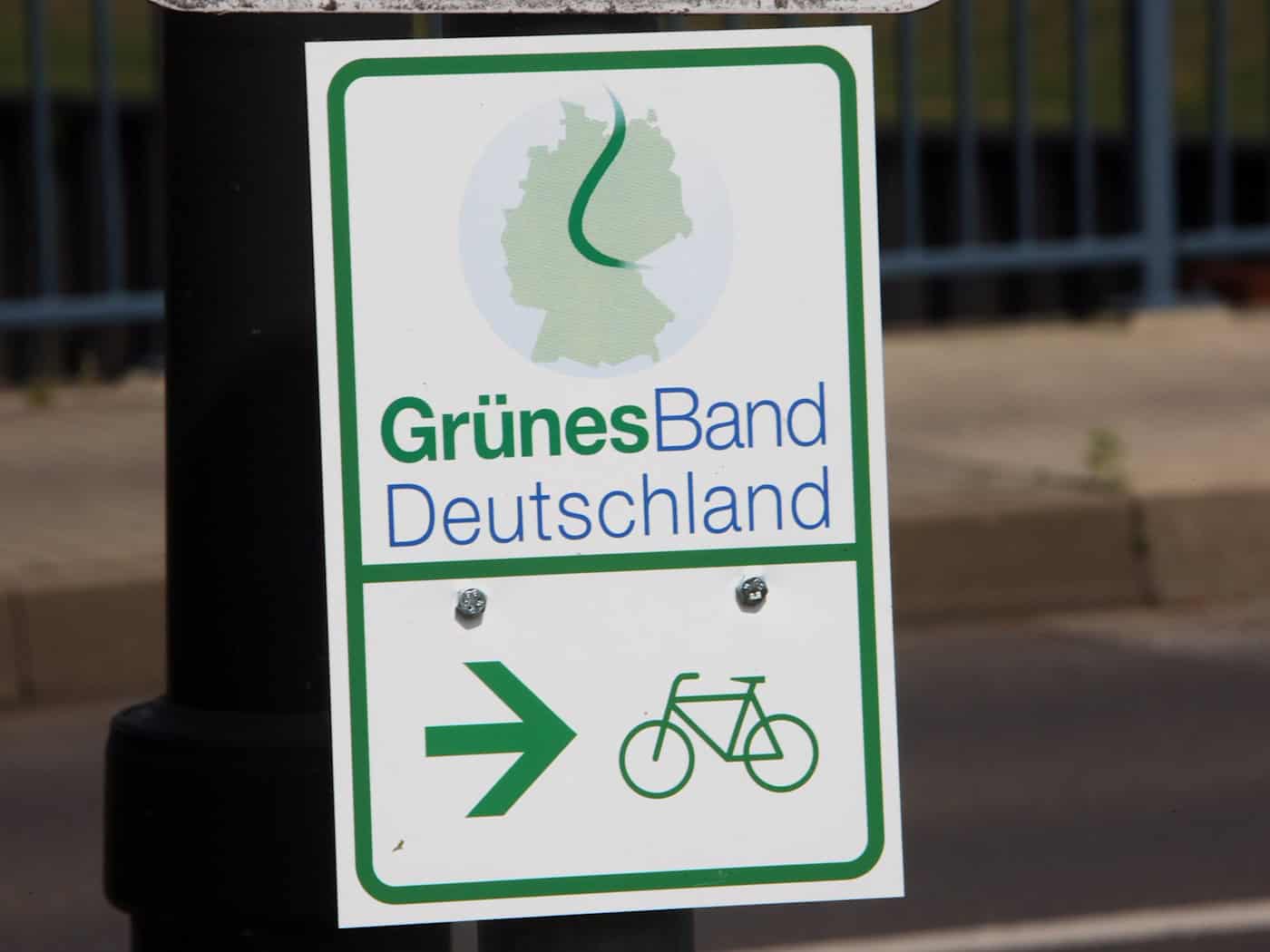
Once it was the dreaded “death strip,” the buffer zone between two states and two systems—and today it is a valuable nature reserve: the “Green Belt” along the former border between West Germany and East Germany. The three federal states of Bavaria, Saxony, and Thuringia are now launching the major nature conservation project “Green Belt of the Three-State Corner.” Federal Environment Minister Carsten Schneider (SPD) is also expected to attend today (Monday) in Mödlareuth, the once-divided village. The goals are to preserve and develop the “Green Belt” and its surroundings. The fact that the border between the two states was so tightly sealed off gave nature a “breathing space,” as the German Association for the Environment and Nature Conservation (BUND) puts it: “The border strip became a refuge for more than 1,200 rare and endangered plants and animals.” After the fall of the Wall, one of the largest and most significant nature conservation projects was established here. The “Green Belt” stretches from the Baltic Sea to Bavaria for about 1,400 kilometers. During a recent visit by Schneider to the “Green Belt” in Saxony-Anhalt, BUND Director Olaf Bandt emphasized that the area is a “biodiversity hotspot, connects landscapes and habitats, contributes to natural climate protection, and functions as a climate corridor”. According to the information provided, significant species found along the Green Belt include the marsh fritillary, the freshwater pearl mussel, the lynx, and many rare orchid species such as the lady’s slipper. According to its own statements, BUND initiated the “Green Belt” nature conservation project just a few weeks after the fall of the Berlin Wall in 1989. Since 2024, the project has also been on Germany’s tentative list for UNESCO World Natural and Cultural Heritage status. Furthermore, the “Green Belt” is part of a European network that stretches over more than 12,500 kilometers from the Arctic Ocean through the Black Sea to the Adriatic Sea. It connects protected areas along the former Iron Curtain. Those responsible for the “Green Belt” project also consistently emphasize its connection to other reminders of the division—as the area is home to numerous memorials and sites of remembrance, such as the German-German Museum in Mödlareuth. Copyright 2026, dpa (www.dpa.de). All rights reservedThese species live along the “Green Belt”
The project began shortly after the fall of the Berlin Wall

