


How a “High-Wire Act” Made Little Eva’s Life Possible
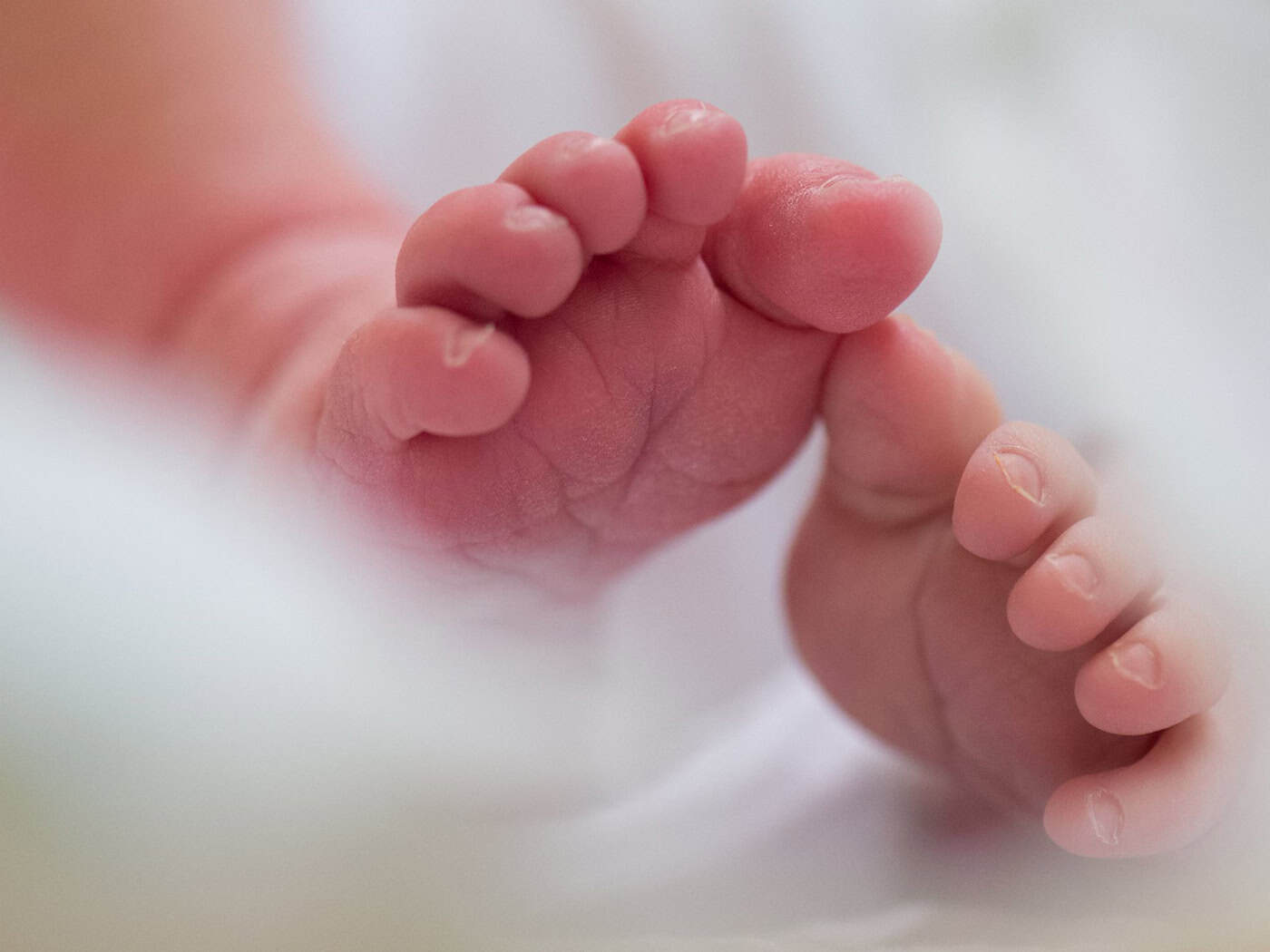
In many movies, a ruptured amniotic sac is a sign that labor is imminent. For a pregnant woman from Saxony, however, the much-too-early rupture of her amniotic sac led to a weeks-long stay at the University Hospital in Jena—a situation that ultimately turned out to be an “absolute stroke of luck,” as senior physician Janine Zöllkau explained in a statement. This is because the birth could be delayed—and little Eva was born healthy. The woman’s amniotic sac had already ruptured in the 20th week of pregnancy—well before her due date and before labor began. In what was described as a “high-wire act,” the team at the Department of Obstetrics and the Neonatology Unit at the Jena Children’s Hospital managed to sustain the pregnancy—for 15 weeks, until little Eva was born. “At 20 weeks, the baby would not have been viable,” said Zöllkau, a senior physician at the Department of Obstetrics. Measures to sustain the pregnancy typically buy a few days to weeks of time. “The fact that we were able to extend it by 15 weeks is a rarity.» This was achieved through close monitoring, antibiotic therapy as needed, the resilience of the medical team, and “of course, the expectant mother’s extraordinary patience.” She also spent a long time separated from her family in Crimmitschau, Saxony. Zöllkau provided further context for the endeavor: “It was a particularly challenging time, as after her water broke, we had to weigh daily whether to continue the pregnancy—so the baby would have a chance to grow and mature in the womb—against the ever-increasing and recurring risk of infection for the baby.” Eventually, labor began on its own. “The girl was born healthy and was classified as a late preterm infant,” said Stella Jähkel, a specialist in the Department of Neonatology and Pediatric Intensive Care Medicine. Like other premature babies at this gestational age, little Eva received respiratory support after her birth about a month ago. To reduce the risk of infection, she was also given a course of antibiotics. According to the report, Eva was finally able to go home with her parents eleven days after birth. There, she had already met her two older siblings. According to a statement from the university hospital, Eva’s mother expressed great gratitude and happiness: “I wanted everything possible to be done for my baby, and that’s exactly what they did. I was giving out little kisses during the birth and always felt I was in good hands,” she is quoted as saying. “We’re also moved that everything went so well,” said Senior Physician Zöllkau. According to the Federal Association for Premature Babies, approximately 60,000 children are born each year before the end of the 37th week of pregnancy—and are therefore born prematurely. Copyright 2026, dpa (www.dpa.de). All rights reserved“The expectant mother’s extraordinary patience”
“I wanted everything to be done for my baby”

