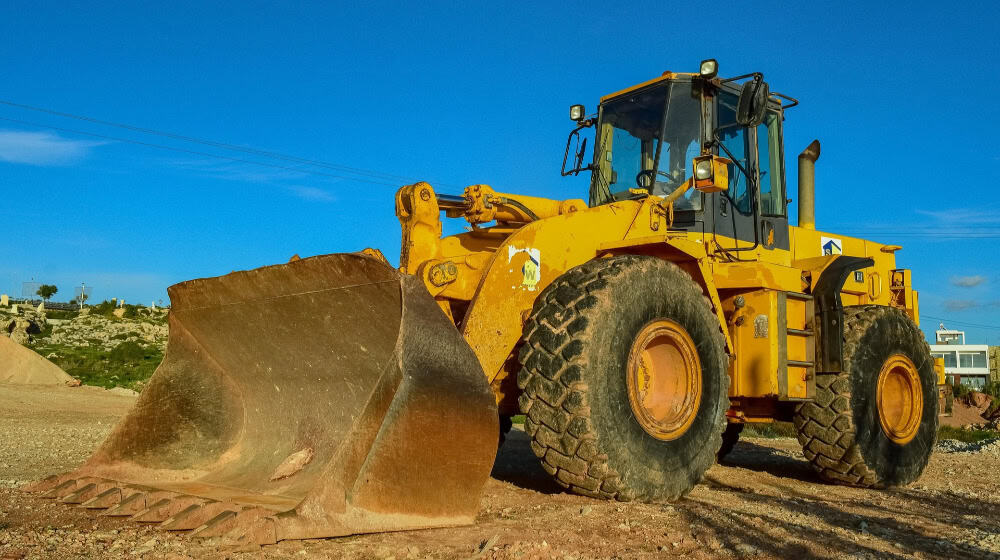
Every day, millions of diesel trucks drive along Germany's roads, construction machinery digs on building sites and barges transport goods on rivers. All these machines emit pollutants into the air. But this could change. Researchers at the West Saxon University of Applied Sciences Zwickau are working on an engine that burns hydrogen instead of diesel and emits hardly any pollutants.
The WHZ will receive three million euros in funding from the Free State of Saxony and the European Union over the next two years. The money comes from the InfraProNet program, which supports innovative research projects. Half of the budget will go towards new laboratory equipment, while the other half will be used to develop the engine itself.



Built from the ground up for hydrogen
The special thing about the Zwickau engine concept is that it is being designed specifically for hydrogen from the outset. Most hydrogen engines to date are converted diesel engines. The WHZ engine, on the other hand, is a new development. It uses a special combustion process in which hydrogen is mixed with a lot of air. Turbocharging provides additional power. The engine achieves a high level of efficiency thanks to clever technical solutions for charge exchange and lubrication. At the same time, it emits minimal pollutants. This even works without an exhaust catalytic converter.
"The focus of the project is clearly on sustainable mobility and energy supply with combustion engines," summarizes Walther. At the same time, the project is an important step in WHZ's commitment to applied hydrogen research. The work will run until the end of 2027, by which time Saxony could have made an important contribution to the mobility transition.