

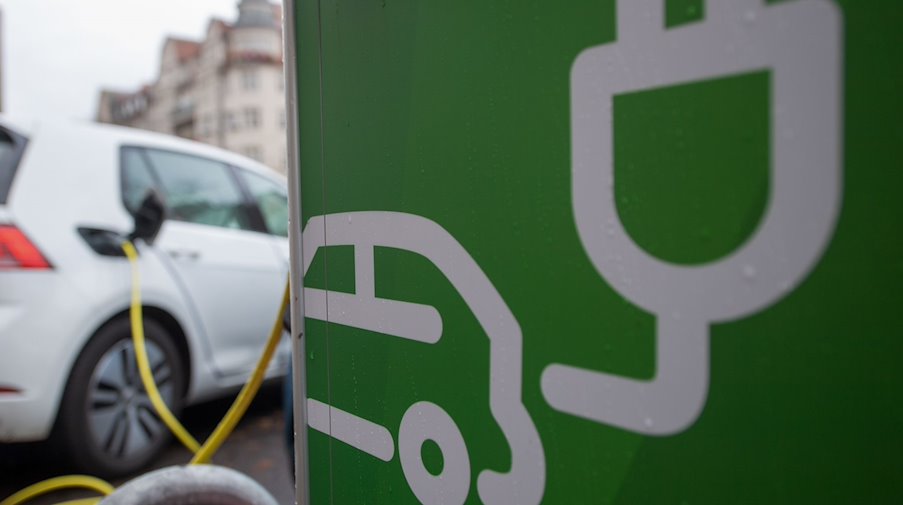
Electromobility is only slowly gaining momentum in Saxony. "Buying battery-powered vehicles still seems too risky for many drivers at the moment," says Michael Schneider, President of the State Association of the Automotive Industry in Saxony. In contrast, combustion vehicles, especially those with petrol engines, are in high demand, both new and used. Small and micro cars as well as mid-range cars, including SUVs, are the most sought-after models. According to the Central Association of the German Motor Vehicle Trade, around 2.45 million new cars were registered in Germany last year. Of these, more than 254,000 or 18.4 percent had a pure battery drive. Although this was 11.4 percent more than in the previous year, demand fell sharply towards the end of the year in particular. More than 89,000 new cars were registered in Saxony in 2023. Of these, almost 11,900 were electric cars, around 1,300 more than in 2022. In 2019, there were only around 1,300 e-cars. The still higher prices for electric cars compared to combustion engines is only one reason for the low interest of drivers in e-cars, according to Schneider. The repair costs are sometimes significantly higher and the loss of value is greater when reselling. In the case of used cars, customers find it difficult to assess the risks associated with follow-up costs and the current condition of the battery, for example. However, a battery change costs significantly more than 10,000 euros. In addition, many car owners who have to park their cars on the street in residential areas cannot charge their cars at home. The demand for electric cars collapsed abruptly when the environmental bonus was canceled in mid-December, confirms the partner of Autohaus Dresden, Christian Schleicher, one of the largest car dealers in the state capital with four branches and 120 employees. "We were practically unable to sell any more electric cars from one day to the next." It was only after the car manufacturers stepped into the breach and took over the subsidy themselves that sales slowly picked up again. Copyright 2024, dpa (www.dpa.de). All rights reserved


