


Newcastle disease: authorities tighten vaccination controls
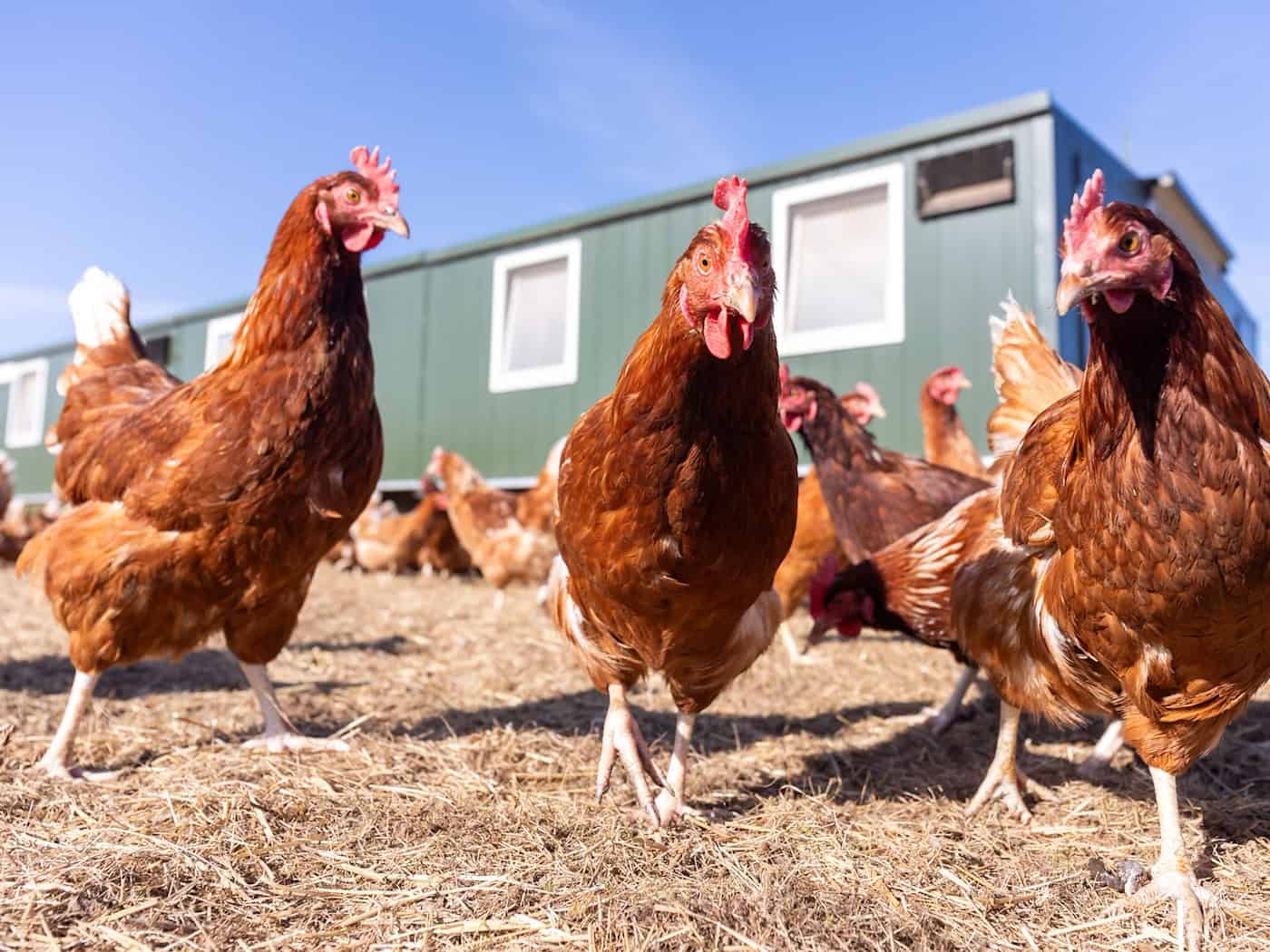
Following the outbreak of the highly contagious Newcastle disease in poultry in Brandenburg and Bavaria, Saxony's veterinary authorities are stepping up vaccination checks. "The food monitoring and veterinary offices in Saxony will carry out more checks in poultry farms", the Saxon Ministry of Health announced in response to a request. The inspections will also be accompanied by increased educational measures. Poultry farmers are required to vaccinate against the animal disease, which is also known as "atypical avian influenza". However, a "poor level of immunization" has been observed in the past, particularly in farms with few animals, the ministry continued. "Many poultry farmers are lulled into a false sense of security, as outbreaks of Newcastle disease have rarely occurred in Saxony in recent years." At the end of February, the Friedrich Loeffler Institute (FLI) in Greifswald, which is responsible for animal disease control, reported the first nationwide outbreak of the notifiable viral disease in poultry in Brandenburg for 30 years. The disease is usually fatal in the animals. The virus is not dangerous for humans. By Thursday, there had been eight confirmed outbreaks of the disease on poultry farms in Brandenburg and Bavaria. According to the FLI, around 125,000 animals have been killed as a precautionary measure. There is a considerable risk situation for poultry farms and other bird farms such as zoos, also in connection with the bird flu that is also circulating. Saxony's Ministry of Health therefore recommends that all poultry farmers check the vaccination status of their animals and update it if necessary. Careful barn hygiene and avoiding unnecessary contact with other livestock are also particularly important at the moment. Due to the H5N1 virus, which is still rampant at the same time, the ministry also advises people to refrain from attending poultry exhibitions and markets at the moment. An outbreak of the disease is characterized by a loss of performance, apathy and reluctance to eat, among other things, it is further stated. There are also respiratory symptoms such as wheezing or sneezing as well as disorders of the central nervous system. This can be seen in tremors, paralysis of the wings or difficulty standing. The occurrence of symptoms or sudden high mortality in the flock must be reported immediately. Copyright 2026, dpa (www.dpa.de). All rights reservedMinistry recommends avoiding poultry exhibitions
Typical symptoms: Apathy, shortness of breath and even trembling

