


Balcony power plants 2026: Law, prices and tips for beginners
What is a balcony power plant?
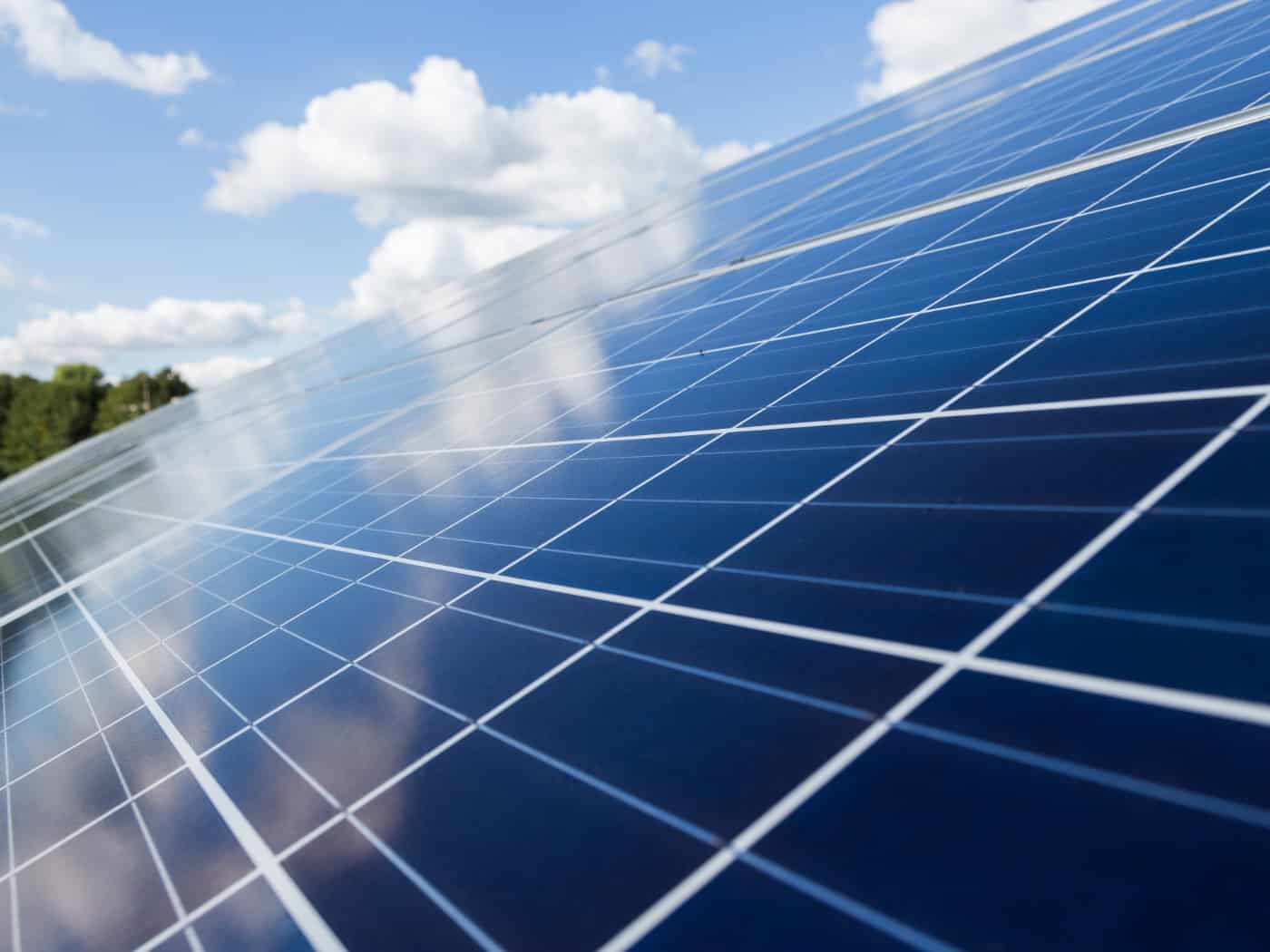
A balcony power plant is a small, grid-connected solar system designed specifically for balconies, terraces or small apartments. Typically, such systems consist of a few solar modules, an inverter or micro inverter unit and a connection cable, which usually leads to a standard household socket via a secure connection. The output is usually between 800 and 1500 watts peak (Wp). Up to 2000 Wp module output is permitted.
In everyday life, this means that you generate solar power directly where it is needed and can significantly reduce your electricity bill - especially in sunny months. The systems are designed to be easy to install and are often marketed as a plug-and-play solution.
The legal situation in Germany (as of April 2026)
In Germany, there are clear rules for balcony power plants that make it safer for newcomers to get started. Systems up to a certain capacity may be operated grid-connected, provided they are properly registered and have been reported to the grid operator. The MaStR market master data register, in which information on the plant must be entered, plays a central role. At the same time, in many cases a notification or consent from the landlord is required if the system is installed in a rented apartment.
In practice, operators enter their generator in the MaStR and notify the grid operator of the commissioning date. This ensures that the system is stored transparently and that the grid operators know exactly when and how much electricity is being fed into the grid. For everyday life, this means that getting started is relatively straightforward, but must be handled in a legally clean manner in order to avoid problems with the grid operator.
Obligations and practical implementation
The main obligations include registration in the MaStR, notification to the local grid operator and compliance with technical safety requirements. Typically, it is also recommended that the system is installed in such a way that there is no direct open space for hazards and that all components are properly fixed. Convenience and safety aspects such as a backflow preventer or integrated circuit breaker increase operational safety. If you live in a rented apartment, check with the landlord before installation to avoid conflicts later on.
Price development of balcony power stations in the last five years
The cost of balcony power plants has fallen overall, even if prices have fluctuated at times. Typical complete kits for 400 to 1600 W are now often between 300 and 800 euros, depending on module output, optimization technology and inverter type. In recent years, lower module prices and wider market availability have led to stable, lower end consumer prices. In addition, there are individual cost factors such as mounting accessories, shipping, any specialist installations and registration fees with the grid operator. Overall, it can be said that the price trend shows a clear tendency towards falling entry costs, which makes balcony power plants increasingly attractive for newcomers.
In good conditions, the costs are often amortized after just 2 to 5 years.
Advantages and disadvantages of balcony power plants
Advantages:
- Low entry-level price compared to larger solar systems
- Quick, simple installation without major conversions
- Direct on-site power generation - reduced need for grid supply
- Easy learning curve for beginners and tech-savvy users
Disadvantages:
- Limited maximum feed-in power - 800 W
- Regulatory obligations such as MaStR registration and grid operator notification
- Effect depends on shading, orientation and time of year
- Depends on tenancy or ownership structure: Permits required
For many users, the advantages outweigh the disadvantages, especially if they are looking for a manageable, secure investment and want to gain their first experience with solar power.
A small note: The solar modules can be more powerful than the 800 watts (up to 2000 Wp). This has the advantage that good results can be achieved even in less than ideal weather conditions. The only important thing is that the inverter cannot feed more than 800 watts into the household grid.
What to consider when setting up a balcony power plant
You can get started if you follow a few basic rules. It is important to align the system correctly, choose high-quality components and observe safety regulations. Find out about the applicable regulations before you buy and make sure that you document all steps and make the necessary registrations.
Plug, registration, shading
- Most balcony power stations use a Schuko plug that fits securely into the household socket. Make sure it has integrated backflow prevention and secure cable routing so that nothing is damaged.
- Registration: Register your system with the grid operator and register it in the MaStR. Have the model, output, commissioning date and manufacturer data ready. This will help you avoid billing or grid problems later on. Shading: Shading greatly reduces the output. Before installation, check whether neighboring balconies, trees or sun protection shade the area. A south or south-east/south-west orientation with a tilt angle of 20 to 40 degrees usually delivers good results in Germany.
In addition to these points, it is important to pay attention to safety: Attach fixings securely, lay cables properly and check regularly for damage. If there is any uncertainty, a brief consultation with a specialist company can be useful - safety first.
A balcony power plant offers a simple and cost-effective way to generate solar power directly at the point of consumption. The legal situation has now become clearer and makes it easier to get started, provided that MaStR registration, grid operator notification and any landlord agreements are completed correctly. The price trend shows that entry costs are tending to fall, which is particularly attractive for newcomers. If you stick to simple rules - correct alignment, safe cable routes, plugs with backflow prevention - and find out about registration and shading at an early stage, you can take the first step towards a more independent energy supply without much effort.

