


The best Wiener schnitzel ever
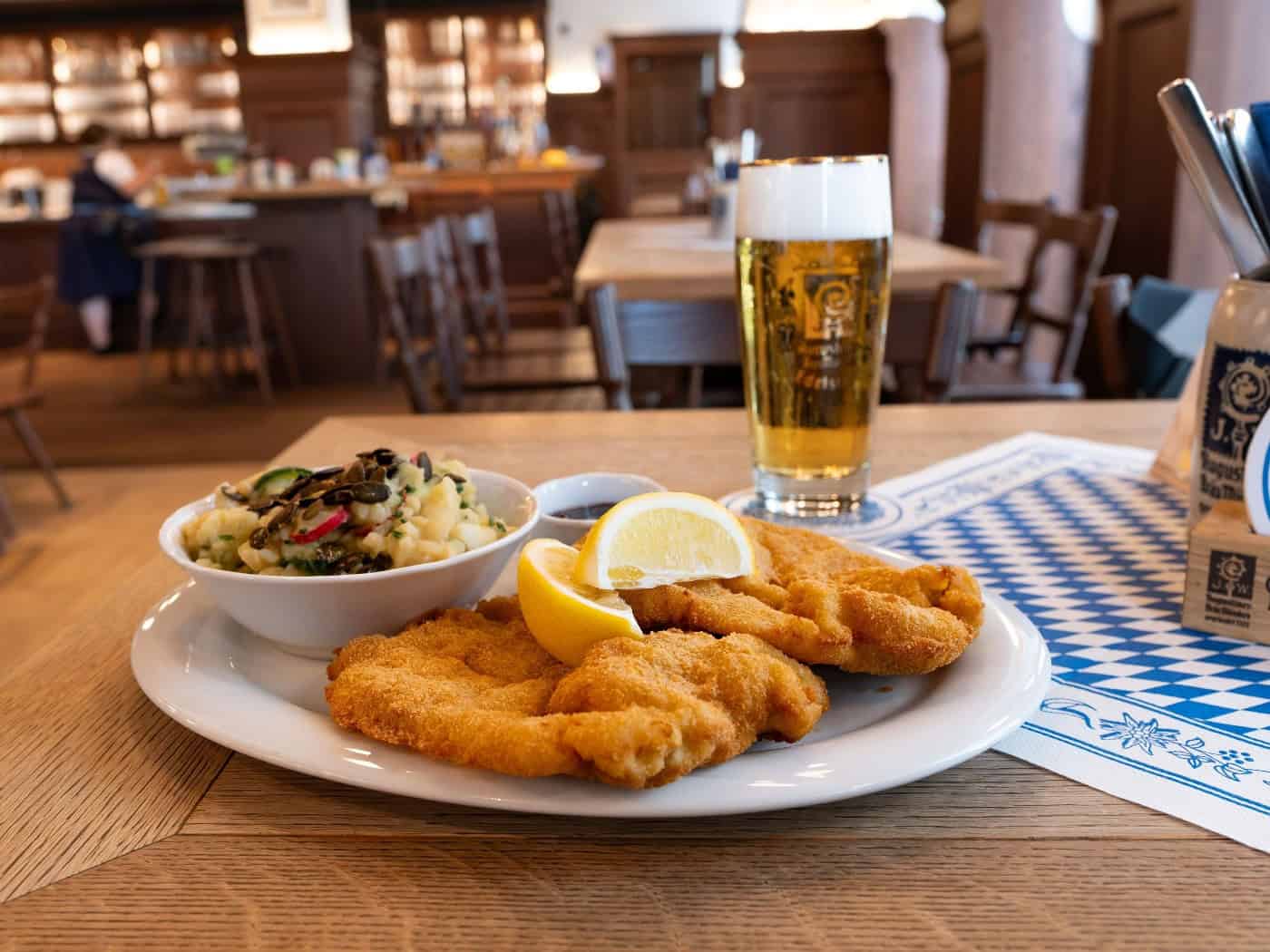
Where can you find the most popular Wiener Schnitzel in eastern Germany? The food magazine Falstaff wanted to know the answer and surveyed its community. The list included only restaurants that serve the original: After all, a genuine Wiener Schnitzel is traditionally made exclusively with veal—anything else is simply a “Schnitzel Wiener Art.” The result comes as no surprise to local schnitzel fans: the “Augustiner an der Frauenkirche” in Dresden came in fourth place—behind three Berlin restaurants. The Dresden sister restaurant “1328 – Restaurant & Bar” also ranked highly, coming in at number eight. In tenth place on the list: the Opera.
A glance at the numbers also shows that both restaurants have a wealth of experience with schnitzel. At the “Augustiner an der Frauenkirche” alone, more than 50,000 pork, veal, and stuffed schnitzels were pounded, breaded, fried, and served. At “1328,” which opened in March 2025, approximately 6,000 veal schnitzels were served last year.
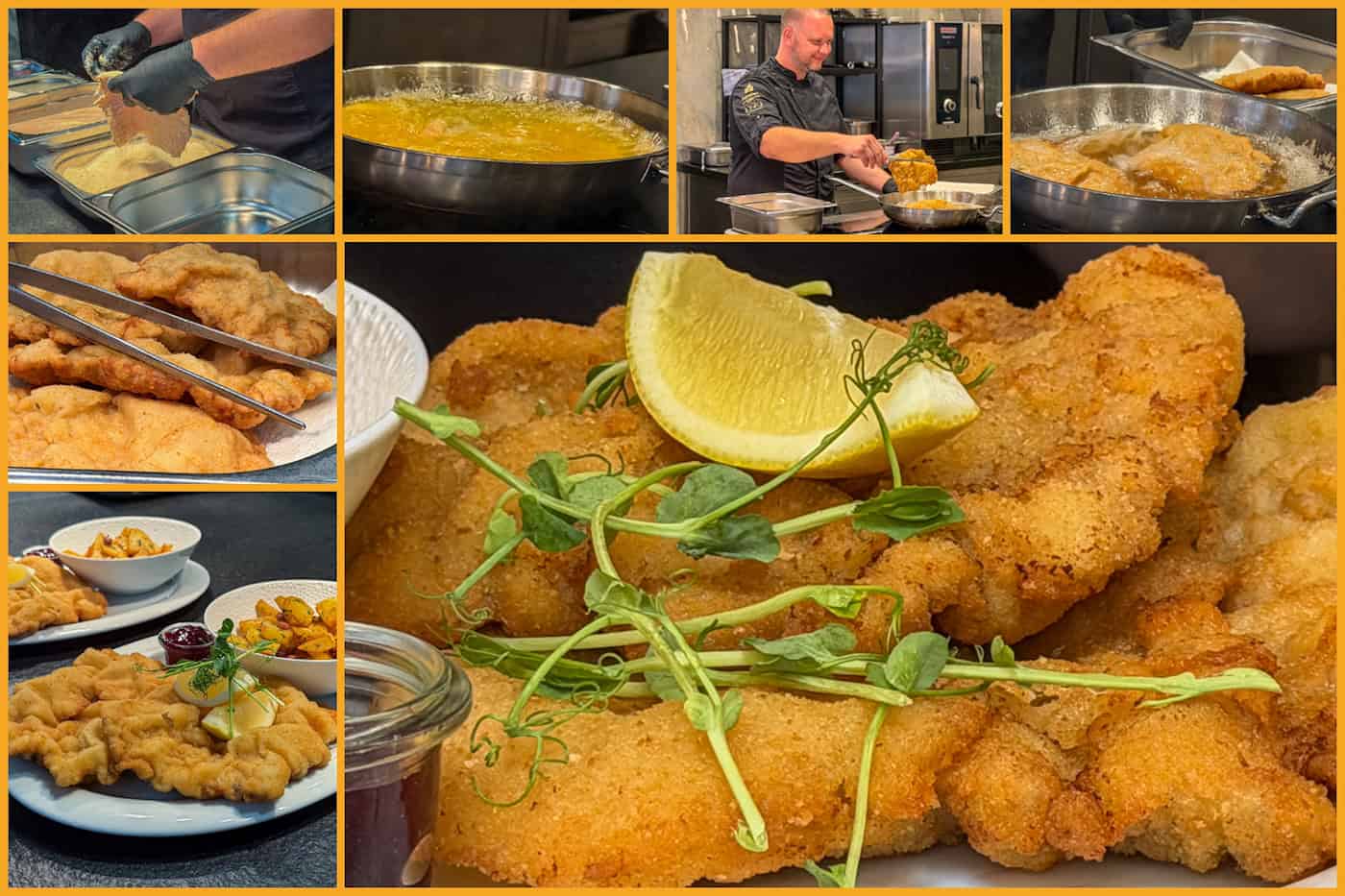
But what actually makes a good schnitzel? Both restaurants have a dedicated schnitzel chef who oversees this classic dish. Given the large quantities, a machine now handles the tenderizing: Two machines—one per restaurant—ensure that the schnitzel are the right thickness. Breading, however, is still done by hand. Flour, egg, and breadcrumbs make up the traditional breading. The breadcrumbs come from Austria and are processed in correspondingly large quantities. There’s a little trick when it comes to the egg mixture: a bit of cream ensures that the breading turns out especially light and fluffy. Then each individual schnitzel goes into the pan. They’re fried in a mixture of canola oil and clarified butter. It’s not just about the right temperature: The schnitzel also needs enough fat to “swim” in while frying. And that’s exactly what happens at “Augustiner” and “1328”—without exception, right in the pan—each schnitzel is fried individually fried individually. Finally, the schnitzel is allowed to drain briefly on paper towels before being served with sides such as potato-cucumber salad, French fries, or pan-fried potatoes.

