

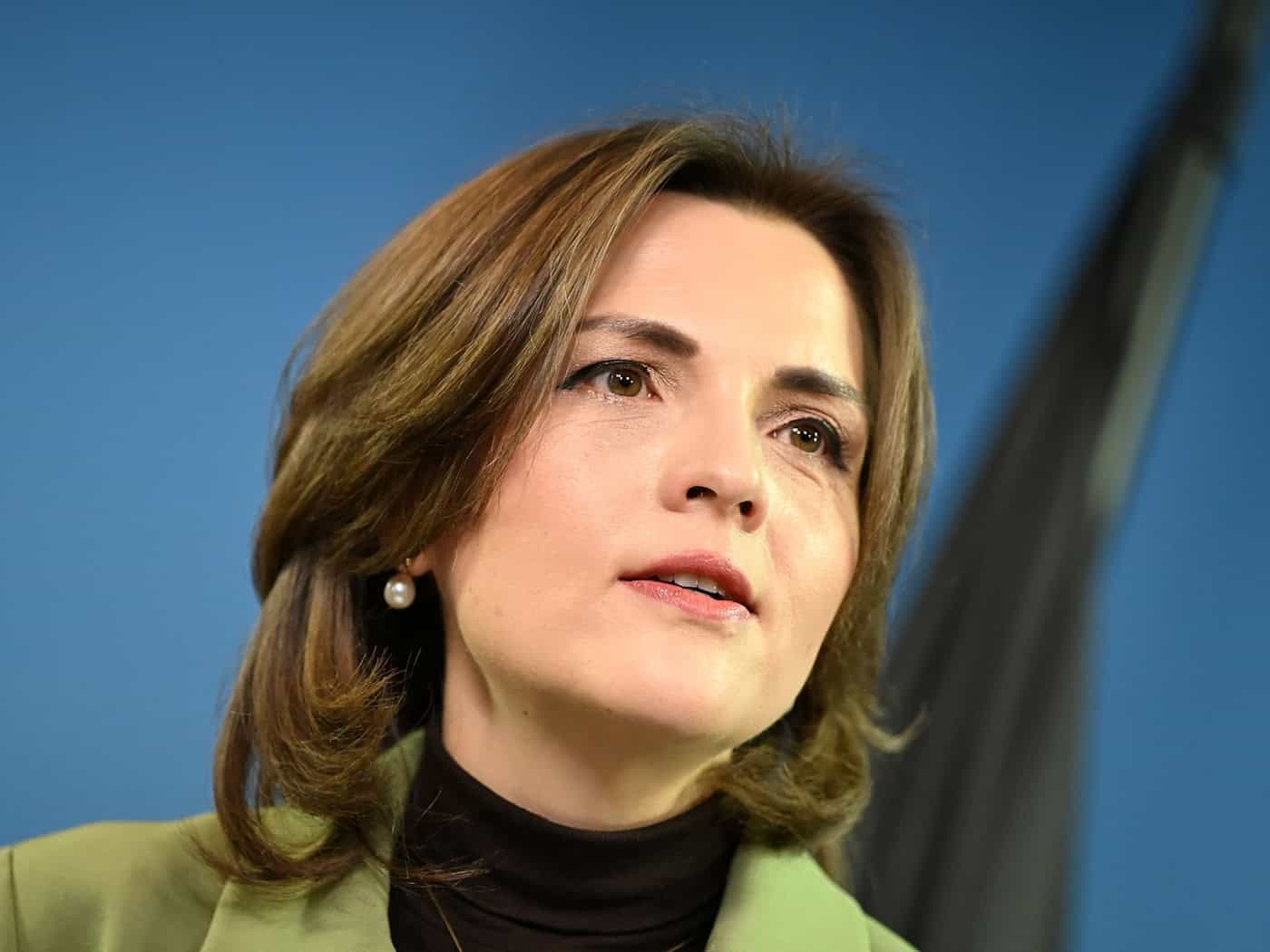
With just a few weeks to go before the important state elections in Saxony-Anhalt, Mecklenburg-Western Pomerania, and Berlin, Elisabeth Kaiser, the Federal Government Commissioner for Eastern Germany, has expressed concern about the disillusionment many people feel toward politics. “I believe that this mistrust, and also this disappointment, was very much linked to the pandemic and the decisions made at that time,” the SPD politician told the German Press Agency. “I think a deep breach of trust has occurred.” This was followed by the war in Ukraine, the energy crisis, economic transformation, pressure to innovate from China, and threats to jobs. “These are all situations that cause people enormous anxiety,” Kaiser said. On top of that, there are now austerity measures. According to a new YouGov survey, 66 percent in the West and as many as 71 percent in the East do not believe that politicians are striving to represent the interests of the population. Eight out of ten respondents doubt that politicians make an effort to engage with the public. Fifty percent in the West and 56 percent in the East view corruption and misconduct by politicians as a weakness of democracy. YouGov surveyed just under 1,600 people each in western and eastern Germany. The results are available exclusively to dpa. Kaiser said that the debate over copayments for health care and long-term care, as well as the debate over pensions, is also causing people to feel uncertain. Positive developments are no longer being noticed, “because the discussion is so extreme, so emotionally charged at times, and full of outrage.” She added: “It is, of course, poison for democracy when decisions are no longer fed back to the public.” Following the reform decisions made before the summer recess, she is now deliberately engaging in dialogue with citizens, said the Member of the Bundestag from Gera. “It won’t be easy, but I believe we must keep trying to show this local presence.” Door-to-door campaigning is also difficult in eastern Germany, she noted, with reactions sometimes very harsh or even threatening. Nevertheless, reaching out to people is important, “because some people are already so disappointed that they simply don’t come to the events anymore,” Kaiser said. Copyright 2026, dpa (www.dpa.de). All rights reservedHarsh Reactions in Door-to-Door Campaigning


