

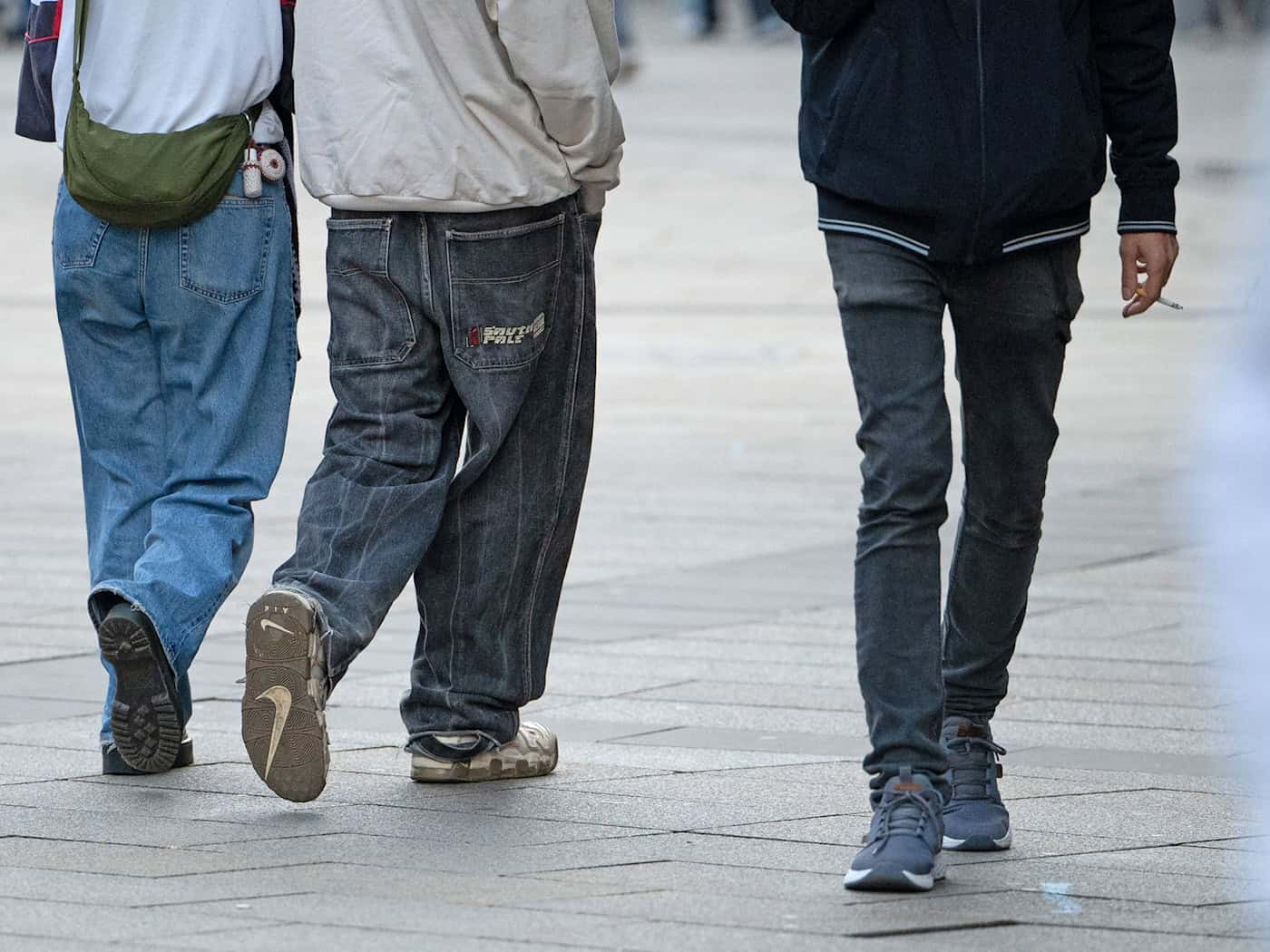
Only one in ten people living in Germany is between the ages of 15 and 24. In eastern Germany, the figure is even lower, according to the Federal Statistical Office (Destatis), based on figures from the end of last year. According to the report, Brandenburg ranks last among the states, with 8.8 percent of its population aged 15 to 24. Ahead of it are Mecklenburg-Western Pomerania and Saxony-Anhalt, both at 9.1 percent. According to the data, the proportion in all five eastern German states is below the national average of 10.0 percent. Thuringia stands at 9.2 percent and Saxony at 9.7 percent. Apart from Saarland (9.3 percent) and Rhineland-Palatinate (9.7 percent), only eastern German states are represented in the bottom seven spots. According to the data, the city-states of Bremen (11.1 percent) and Hamburg (10.5 percent) have the highest proportion of young people. They are followed by Baden-Württemberg (10.4 percent) and Hesse (10.3 percent). The city-state of Berlin also has an above-average figure (10.2 percent). According to Destatis, this represents a historically low level across Germany that has persisted since the early 2020s. According to the data, young people accounted for the highest share of the total population in the first half of the 1980s, when the so-called baby boomers were in their teenage years. In the territory of today’s Federal Republic, one in six people (16.7 percent) was between the ages of 15 and 24 in 1983. The proportion of young people in Germany was slightly below the EU average (10.7 percent), as Destatis explained, citing data from early 2025 and the EU statistical office Eurostat. According to statisticians, without immigrants and their descendants, the proportion of young people in Germany’s total population would be even smaller. Among the population without an immigrant background, the proportion of young people aged 15 to 24 was 8.5 percent, while among the population with an immigrant background, it was 12.2 percent. However, the higher proportion is also attributable to the fact that only immigrants who arrived since 1950—or their descendants—are included in the analysis. The children of immigrants who arrived since 1950 are structurally younger. Copyright 2026, dpa (www.dpa.de). All rights reservedCity-states with more young people
More Young People Due to Immigration


