


"Packed to the brim": Saxony's animal shelters are at capacity
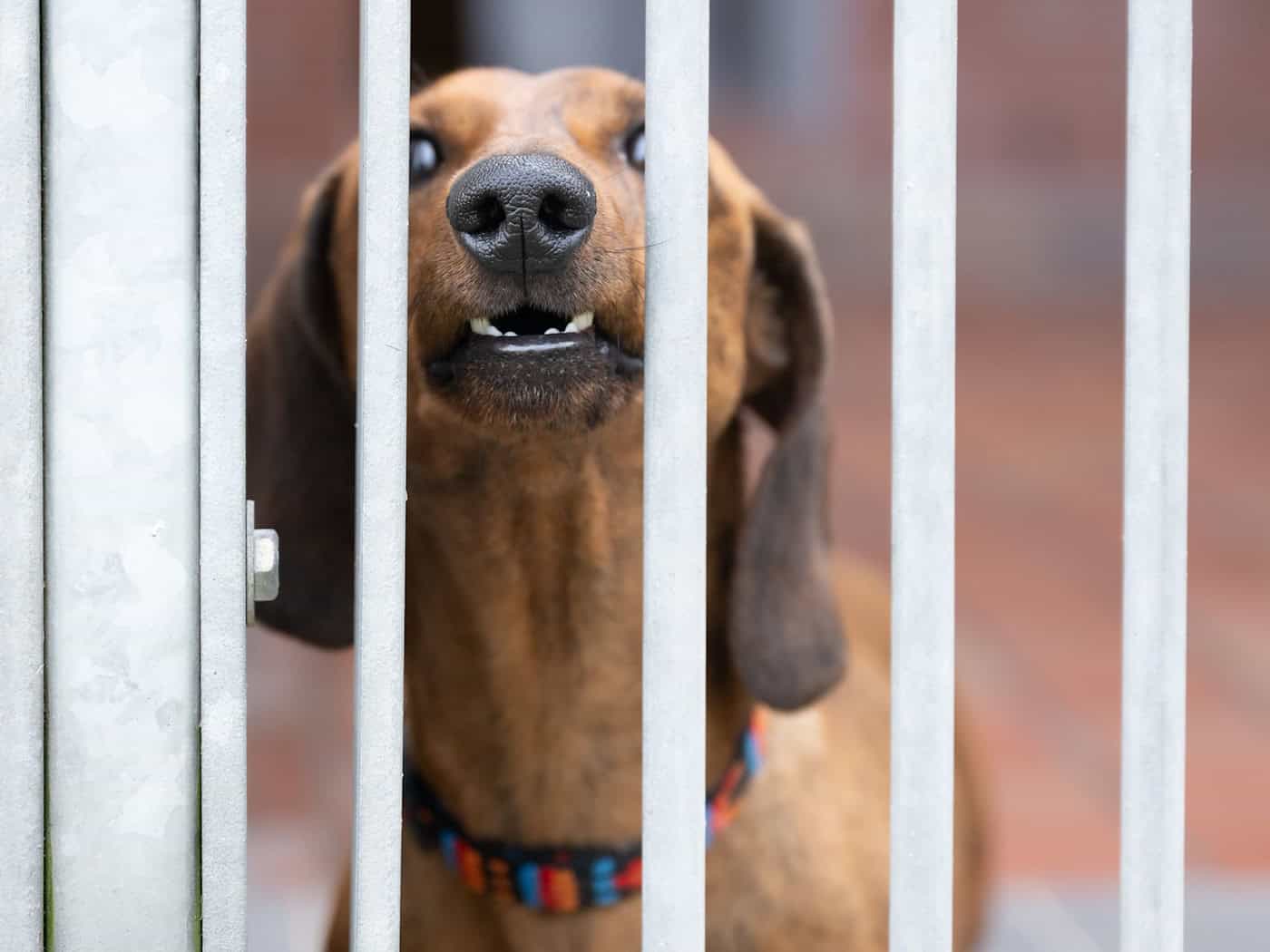
Animal shelters in Saxony are at capacity. The Free State of Saxony is not alone in this. “Animal shelters across Germany are bursting at the seams,” says Michael Sperlich, chairman of the Saxony State Animal Welfare Association and director of the Leipzig Animal Shelter. Nevertheless, the Free State has a unique characteristic that has an adverse effect. According to Sperlich, Saxony is the only federal state that does not have a cat protection ordinance. Such an ordinance would require owners of outdoor cats to have their animals neutered, microchipped, and registered with a pet registry. The problem facing animal shelters right now is young cats, all of which are strays, says Claudia Ruf of the Vielauer Wald Animal Shelter. The reason for this is that owners do not have their animals neutered—“out of ignorance, stinginess, or lack of money, since veterinary costs have risen exorbitantly in recent years.” In total, her shelter has taken in 300 cats since the beginning of the year; in Leipzig, the figure was most recently 50 per month. At least the cats are easier to rehome than the dogs, says Sperlich. In Leipzig, he has about 35 dogs that have been classified as dangerous or are still undergoing a danger assessment process. Sperlich places the responsibility on the owners. “When people get a dog, they don’t consider the original purpose for which that breed was bred.” The Turkish Kangal, for example, is a livestock guard dog that is not well-suited to city life. Sperlich therefore advocates for a nationwide list regulating the ownership of certain breeds. Sperlich and Ruf reject the term “fighting dog” for such dogs. There is no study that can prove a link between breed and dangerousness, says Ruf. Increased aggressive behavior can be found in all breeds, even among very small dogs. “The difference lies, at most, in the severity of the injuries they can cause.” Furthermore, the term “fighting dog” has a different meaning, as Sperlich explains. 2,000 years ago, dogs were used in Roman legions to fight against humans. Later, in the 18th century, people organized dogfights for the amusement of the public and set dogs on other animals. The term “fighting dog” is misleading in today’s context. In general, it seems to be the owners who are causing the problems. Ira Weißbach from the Chemnitz animal shelter reports that many people want to give away large dogs such as German Shepherds or Malinois—“that is, working breeds that simply don’t fit into the owners’ lifestyles.” In addition, some owners refuse to pay a surrender fee, “even if the animals have never seen a veterinarian.” Often, it’s families, but also single parents and young people, who give up their pets. “There’s actually a cross-section of people involved.” Sperlich from the Leipzig Animal Shelter also reports that for several years now, they have been dealing with animals belonging to Ukrainian refugees. These refugees have brought many small dogs—such as Chihuahuas—or hairless cats that have health problems. The owners cannot afford to pay for their treatment. Added to this is the quick profit from online sales, which turns the animals into a “passing trophy,” says Weißbach from the Chemnitz Animal Shelter. The expert sees another danger in the puppy trade. Unvaccinated animals are being put into circulation, thereby increasing the risk of rabies. “Rabies is a disease that is always fatal in dogs and humans once symptoms appear, and it is still widespread in Eastern European countries,” writes the Chemnitz Animal Welfare Association in its newsletter. As the operator of the Chemnitz Animal Shelter reports, animals from abroad are heightening concerns about diseases. Weißbach calls for restrictions on imports, “more animal welfare inspections, and for bans on keeping animals to be consistently enforced and monitored.” Unneutered cats, overwhelmed dog owners, high veterinary costs, and the puppy trade: Anyone who talks to shelter staff often hears similar comments. Added to this is ignorance among the general public. Dogs are often purchased for their appearance, without regard for traits resulting from cruel breeding practices, says Sperlich. The St. Bernard, for example, was once used as a rescue dog in avalanches. Today, it weighs up to 90 kilograms, stands 90 centimeters tall at the shoulder, and has health problems, as Sperlich explains. Smaller dogs like the pug or the French or English bulldog suffer from breathing difficulties due to their short heads. “If you look at the skull development of these breeds over the last 100 years, it becomes clear what terrible things we’re doing to these animals,” says Sperlich. The dachshund, on the other hand, struggles with spinal disc problems due to its disproportionate body structure. When it comes to cats, Sperlich cites the Scottish Fold, whose folded ears result from a cartilage malformation that affects the body. He also claims that crossbreeds of domestic and wild cats, such as the Bengal, Savannah, and Caracat, constitute cruel breeding practices. In light of the animal suffering, Sperlich is calling for stricter laws. This would have consequences for popular pets. Dachshunds and pugs would then no longer be allowed to be bred in their current forms. Copyright 2026, dpa (www.dpa.de). All rights reservedThe Kangal Is Not a Dog for the City
The term “fighting dog” is historically outdated
Online sales turn animals into a “passing trophy”
Animals suffer because they’re expected to please humans

