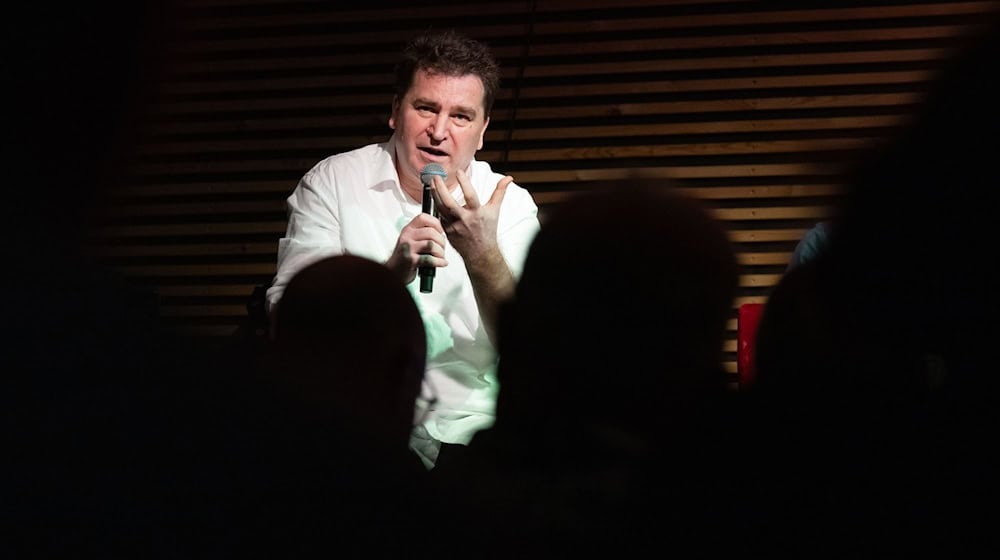
In the opinion of historian Ilko-Sascha Kowalczuk, the East-West debate is far too dominated by negative aspects. He said in a panel discussion with sociologist Dirk Oschmann in Chemnitz that the gains made by the East Germans are given far too little attention. The development since reunification was not just a story of loss and decline, but a "story of gain".
Kowalczuk indirectly accused Oschmann of having written a "Wutzeller" with his polemic "The East: a West German invention". The book had an irreconcilable tone, filled a resonance chamber and created a victim narrative. Former Chancellor Helmut Kohl (CDU) had given the East Germans a promise of prosperity that people believed in. People had exaggerated expectations of the state. The East was alienated from democracy.
According to Oschmann, many people in the East experienced democracy and freedom as an "experience of impoverishment" after the fall of communism. In West Germany, on the other hand, freedom was experienced as an enrichment thanks to the Marshall Plan after the Second World War. A collective subject was created in the East as a result of this kind of degradation, and the group of East Germans was damaged. That did something to the people. "The East is continuously devalued."