

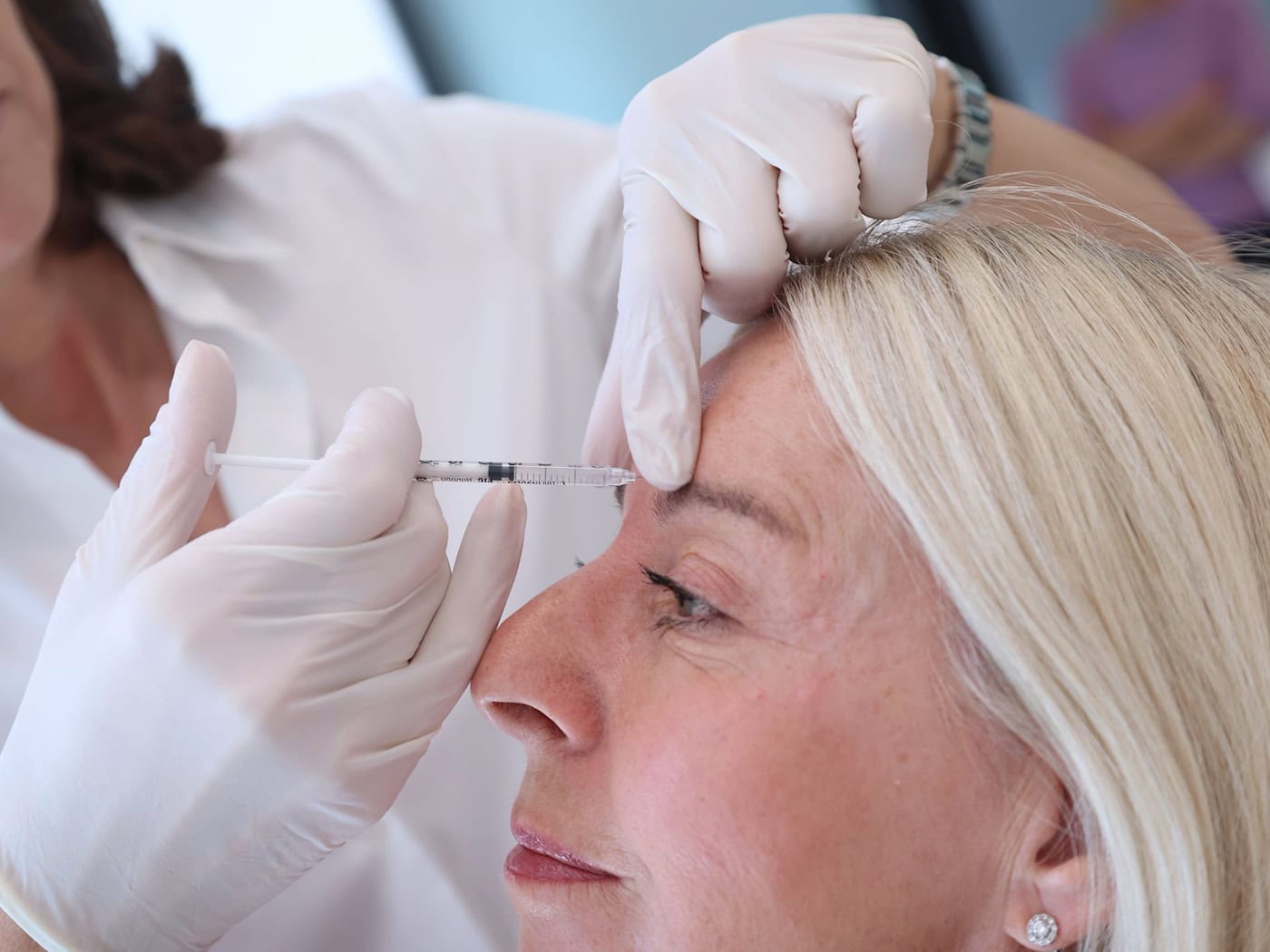
For many people, the neurotoxin botulinum toxin is primarily a treatment for wrinkles. In fact, the active ingredient has long been used to treat chronic migraines, muscle spasms, spasticity following strokes, and excessive salivation. The rising demand is also driving investment in Saxony-Anhalt. The pharmaceutical company Merz is expanding its facility in Dessau-Roßlau at a cost of more than 100 million euros. With a new packaging line and investments in production, packaging, and logistics, the company is responding to the global increase in demand. The company’s botulinum toxin product is manufactured there. “The medical sector is actually somewhat overlooked. Everyone just talks about wrinkles,” says Merz Group CEO Philip Burchard. Yet botulinum toxin can often provide significant relief to seriously ill patients. People with a stiff neck can hold their heads upright again after treatment, stroke patients can move their arms more easily, and Parkinson’s patients can reduce their excessive salivation. “The improvement in quality of life and pain relief is absolutely enormous in the medical field,” says Burchard. In everyday language, botulinum toxin is often referred to as Botox. In fact, however, this is the brand name of a product from another manufacturer. The botulinum toxin product manufactured by Merz in Dessau is called Xeomin. Neurologists are also observing its growing importance in medicine. “For dystonic disorders such as cervical dystonia and blepharospasm, it is now usually the treatment of first choice,” says Christopher Weise, Senior Attending Physician at the University Clinic and Polyclinic for Neurology at the University Medical Center Halle. These refer to movement disorders such as a spasmodically twisted neck or eyelid spasms. Weise attributes the drug’s success primarily to its high efficacy and favorable safety profile. Other drug treatments often have significantly more side effects and are less well tolerated by patients. With relatively little effort, many severely affected people can be helped. In addition to medical applications, however, the market for aesthetic treatments has also been growing for years. According to Merz CEO Burchard, treatment methods have advanced significantly in recent years. “In the past, you could tell right away that someone had been treated. Today, it’s done so delicately and discreetly that you hardly notice it anymore.” At the same time, social acceptance has increased. Following the COVID-19 pandemic, for example, the so-called “Zoom boom” further fueled demand. Because many people were constantly seeing themselves on screen during video conferences, their own appearance became an even greater focus. However, botulinum toxin is a prescription-only medication in Germany and may only be administered by licensed physicians. Professional associations warn against seeking treatment from non-medical providers. The University Medical Center Magdeburg has also observed that botulinum toxin is being used more frequently today. “Patients are now much more proactive in seeking information about their treatment options,” says neurologist Laura Danielian. In addition, new approved indications mean the treatment is becoming an option for an increasing number of patients. However, rising demand is putting growing pressure on the supply of care: “In Saxony-Anhalt, we’re already seeing a shortage of care. The number of practitioners is limited, and existing capacities are already reaching their limits.” While doctors complain about a lack of capacity, manufacturers are responding to rising global demand with investments. The boom has long since become a global business. Among the most important markets for Merz are the U.S., Brazil, and South Korea. Burchard sees particular potential in China. There, the company received approval for its botulinum toxin product at the end of last year. China is considered one of the world’s fastest-growing markets for aesthetic treatments. “Made in Germany” is very well received there, according to Burchard. Both medical and aesthetic applications are currently growing worldwide at high single-digit percentage rates. Merz itself is growing even faster than the overall market, at around ten percent per year. While many industries in Germany are currently suffering from a weak economy and high uncertainty, the pharmaceutical industry is doing comparatively well. The Dessau-Roßlau site is also benefiting from this boom. By 2028, Merz will invest more than 100 million euros there and create around 150 additional jobs. For site manager Björn Niemczak, the expansion exemplifies the plant’s development. The site began in the early 2000s with the production of the active ingredient. “We now truly manufacture everything from the cell bank to the final product in Dessau,” he says. The site’s development also reflects the transformation that botulinum toxin has undergone in recent years: from an active ingredient known primarily as a wrinkle treatment to a medication with a wide range of medical applications. Copyright 2026, dpa (www.dpa.de). All rights reservedWhy doctors rely on the active ingredient
The beauty boom is driving demand
Why patients often have to wait a long time
China as a Market of the Future
How Dessau Is Benefiting from the Boom


