

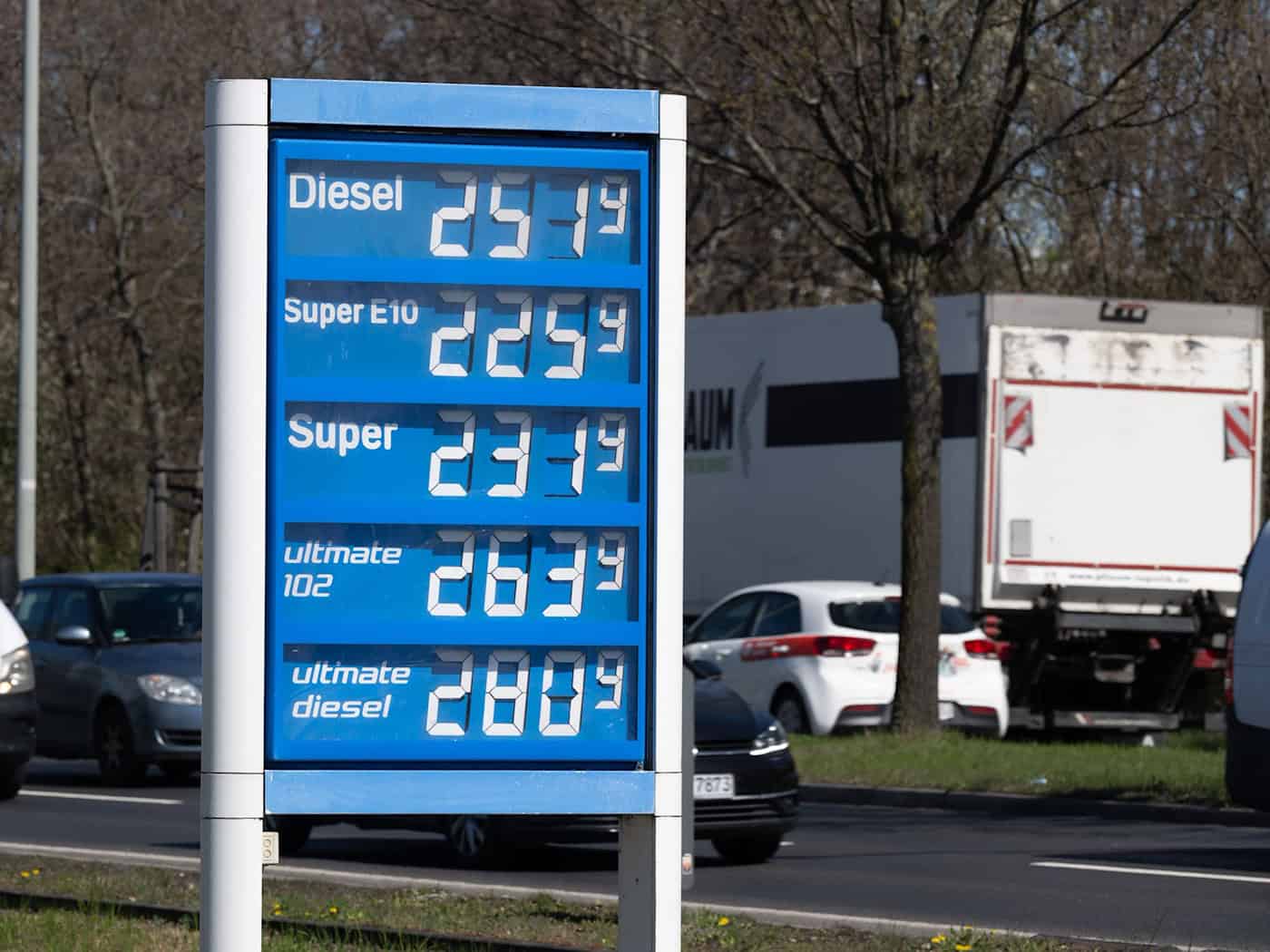
In view of high fuel and energy prices, the Saxon Chambers of Industry and Commerce (IHK) are calling for rapid relief for companies and consumers. Despite initial signs of easing in the conflict between the USA and Iran, the situation on the energy markets remains a serious threat to economic development, the chambers announced. According to the latest data, petrol and diesel have recently become around three cents cheaper per liter. This is due to a temporary drop in oil prices following a slight easing of the conflict between the USA and Iran. However, experts assume that changes on the oil market often only have a delayed effect at filling stations - and that the trend can also reverse again quickly. Filling up therefore remains expensive for many people. According to the Chamber of Industry and Commerce (IHK), the rise in fuel prices is driving up prices in many sectors of the economy and is therefore also affecting consumers. "Fuel prices have risen by around 50 percent since the start of the Iran war in Germany," emphasized Max Jankowsky, President of the IHK Chemnitz. This affects "commercial and goods transport, logistics, the construction industry, service providers and also many commuters" who continue to rely on their cars. In order to counteract this, the IHK is calling for lower state levies on energy. "The federal government must now quickly reduce the state components in energy prices," said Andreas Sperl, President of the Dresden Chamber of Industry and Commerce. Specifically, this would involve lower taxes on fuel and electricity in order to at least cushion the price shock. An appeal for rapid intervention has also come from Leipzig. "The situation is more than dramatic," said IHK President Kristian Kirpal. Without swift action, there is a threat of permanently high transport costs, additional inflationary pressure and a further weakening of the location. Copyright 2026, dpa (www.dpa.de). All rights reservedSlight decline at filling stations
Consequences for consumers and the economy
Calls for tax cuts


