

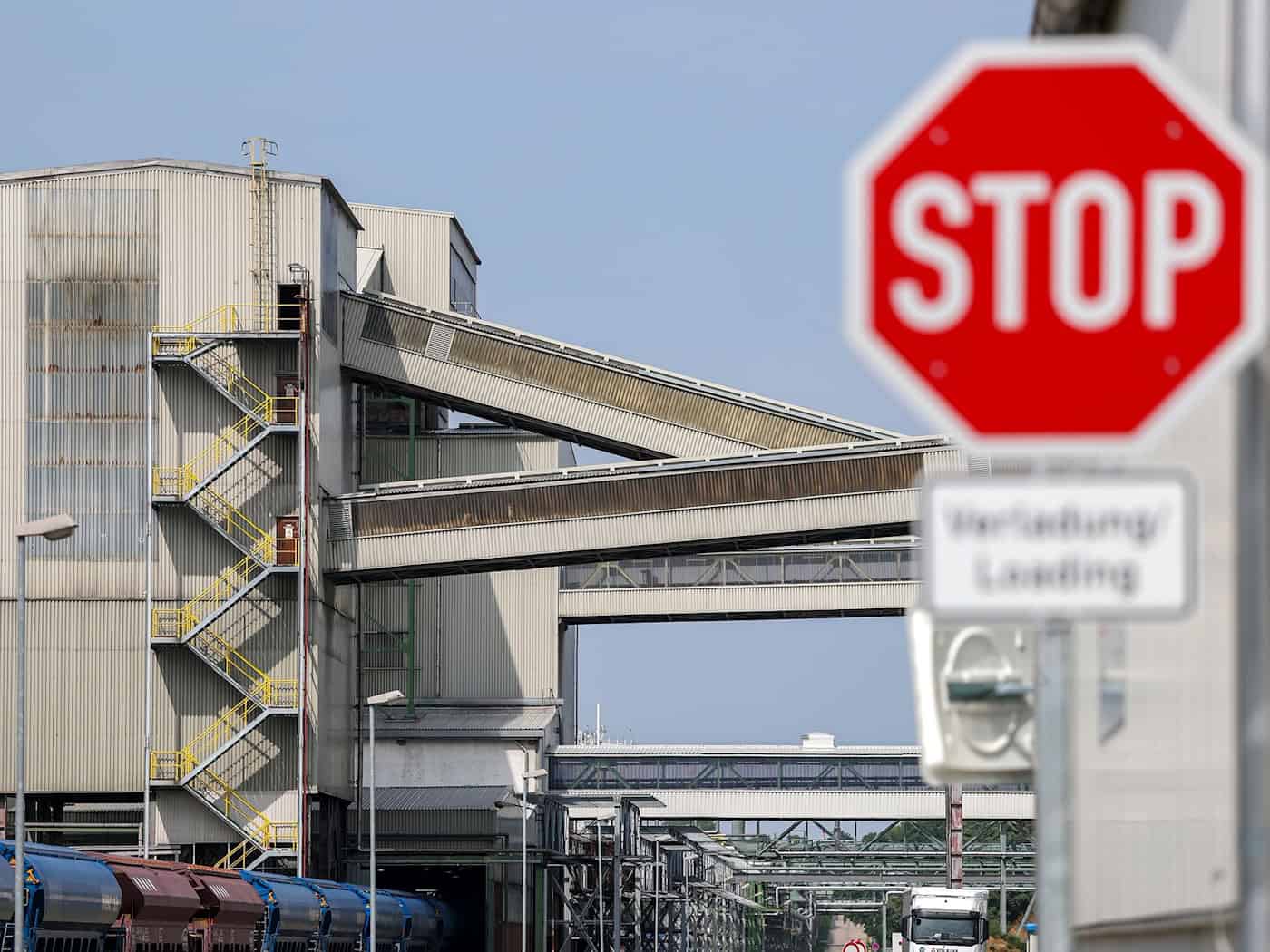
Whether it’s fertilizers, plastics, or chemical raw materials for numerous industrial products, the chemical industry supplies products for many areas of everyday life. Nevertheless, according to a recent member survey by the German Chemical Industry Association (VCI), one in two East German companies plans to scale back its investments in Germany in 2026 and 2027. More than one in three plans to shift its investments, either entirely or partially, abroad. According to the report, approximately 250 chemical and pharmaceutical companies participated in the nationwide survey. The VCI represents a total of about 2,000 companies. For the regional analysis, the responses from just over 20 East German participants were considered separately. The association did not disclose which companies intend to cut or shift their investments. The survey took place a few weeks ago. The results are consistent with trends that have been emerging in parts of the East German chemical industry for some time. The fertilizer manufacturer SKW Piesteritz, for example, warns that fertilizer production in Germany—which is particularly energy-intensive—is losing competitiveness due to high energy prices. The situation remains tense in Leuna as well: Polyamid GmbH, founded as a rescue company for the insolvent Domo-Werke, continues to fight for the site’s long-term future following its own insolvency. However, not all segments of the industry are equally affected by the crisis. The pharmaceutical sector is proving to be comparatively resilient. For example, the pharmaceutical company Merz recently announced that it would invest more than 100 million euros in its Dessau-Roßlau site and create around 150 additional jobs there. These various examples reflect the state of the industry. While some companies are investing, many others face significant hurdles. In the survey, companies cite high costs in Germany as the biggest obstacle to investment. Nine out of ten rate them as having a somewhat or strongly negative impact, and three-quarters are also critical of energy and climate policy. Only one in ten companies wants to expand its domestic investments. “Our companies aren’t losing the courage to invest—they’re losing confidence in the business environment,” says Nora Schmidt-Kesseler, CEO of VCI Nordost. To keep investments in Germany, she says, reliable framework conditions, less bureaucracy, faster approvals, and competitive energy prices are needed. According to a survey, 85 percent of companies view bureaucracy and regulation as a heavy or very heavy burden. At the same time, seven out of ten see these as the biggest obstacle to innovation. Sixty percent each cite high raw material costs as well as taxes and levies, 55 percent cite the permitting process, and 50 percent cite energy costs. Consequently, business expectations also remain subdued. Half expect earnings to decline, while only one in five companies anticipates an improvement. Regarding revenue, 45 percent expect an increase and 45 percent expect a decline. A similarly challenging picture emerges nationwide. According to the VCI, production in the chemical and pharmaceutical industry was three percent below the previous year’s level in the first half of the year. Investments declined for the third consecutive year. Many East German participants also view economic policy critically. Sixty-five percent give the federal government a grade of “poor” or “unsatisfactory”; for the European Commission, the figure is 75 percent. “Germany cannot afford persistently high location costs in the face of international competition,” says Schmidt-Kesseler. Politics must enable investment rather than hinder it. Copyright 2026, dpa (www.dpa.de). All rights reservedCrisis Affects the Industry Differently
High Costs Hinder Investment
Bureaucracy is a burden; expectations remain subdued
Criticism of the Federal Government and the EU


