

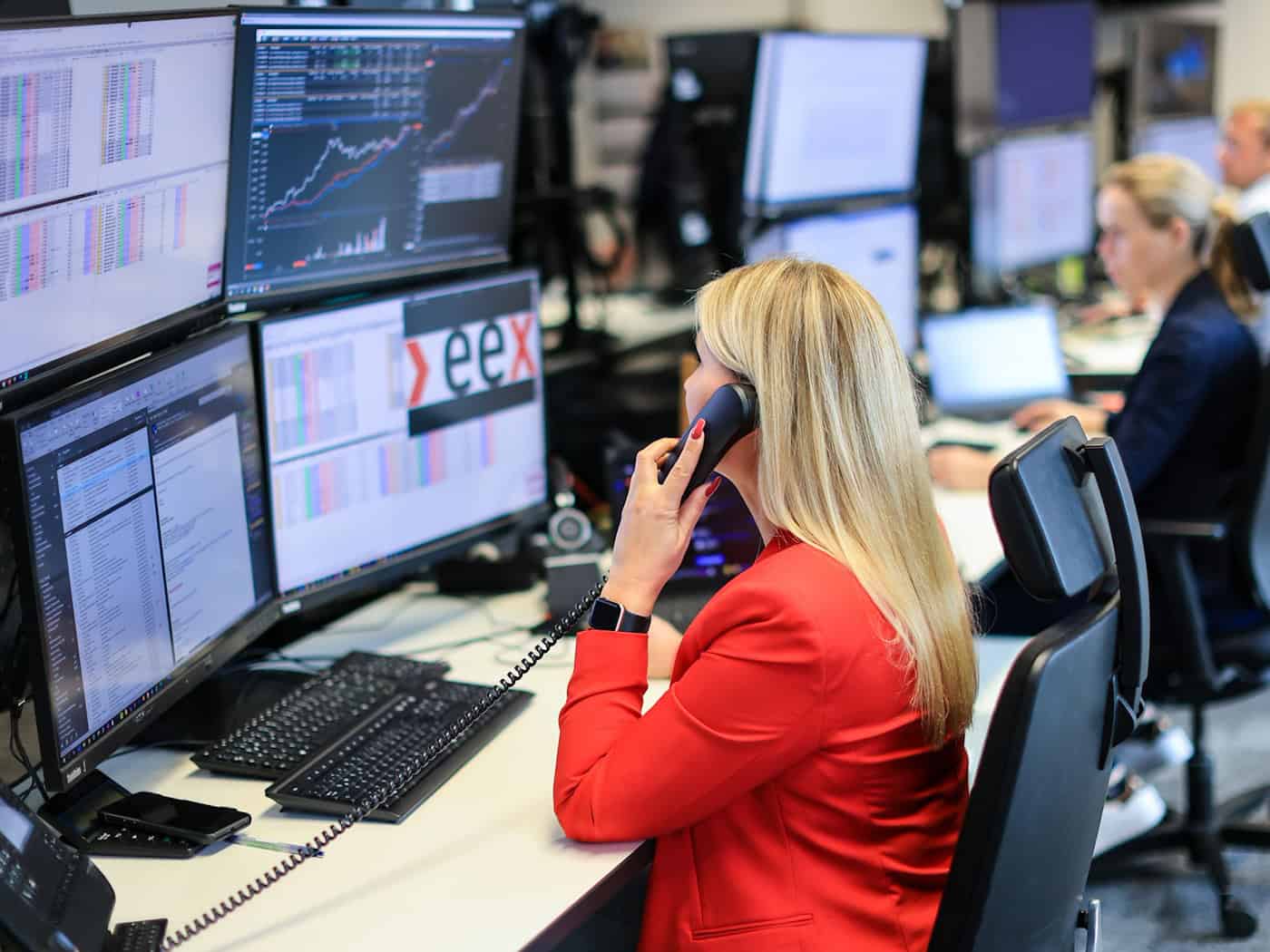
Electricity prices below zero euros and temporarily free charging for electric cars: situations like this are becoming increasingly common in Germany - and could become part of everyday life in the future, according to the energy exchange EEX. "This is not a market failure or anything like that, on the contrary, it is a good price signal because it creates incentives for flexibility," said EEX CEO Peter Reitz at the presentation of the financial figures for the 2025 financial year in Leipzig. The reason for this is the growing proportion of wind and solar power. If more electricity is produced than consumed on sunny or windy days, prices on the exchange fall sharply - sometimes even into negative territory. For many consumers, however, this has only had a limited impact so far. Households with dynamic tariffs, where the electricity price is based directly on the market, are the main beneficiaries. "As a private individual, I was really pleased last weekend that I once again charged my car for free and actually got paid for it," said Reitz. In the long term, more consumers could benefit from this - for example through smart tariffs or new technologies such as large battery storage systems, such as those currently being built in the Salzland district in Saxony-Anhalt, which are intended to temporarily store electricity from wind and sun. According to Reitz, if more battery storage systems are built, "we will see fewer negative hours". At the same time, price fluctuations could decrease and cheaper electricity could be used more frequently. The speed at which renewable energies and battery storage systems are expanded will be decisive here. The Leipzig-based EEX organizes trading in electricity, gas and CO2 certificates and is the largest electricity exchange in the world. Last year, the Group increased its revenue by 10 percent to EUR 737 million, while earnings before interest and taxes rose by 17 percent to EUR 394 million. The main drivers were increased trading volumes - also due to greater uncertainty on the energy markets. For the current year, the exchange is planning new electricity futures, i.e. forward transactions to hedge electricity prices, for example in Belgium and Japan, as well as additional terms in gas trading. In addition, trading in emission certificates is to be expanded. Copyright 2026, dpa (www.dpa.de). All rights reservedWhy electricity prices are falling into negative territory
EEX benefits from more trading
New products planned


