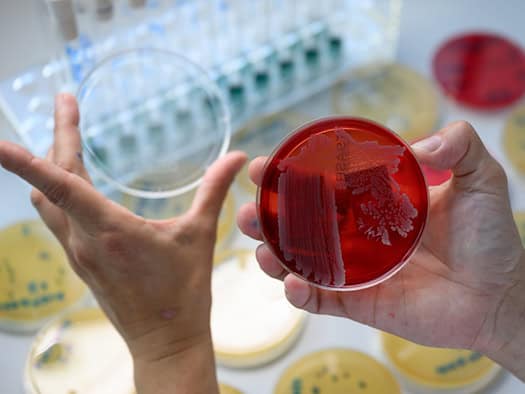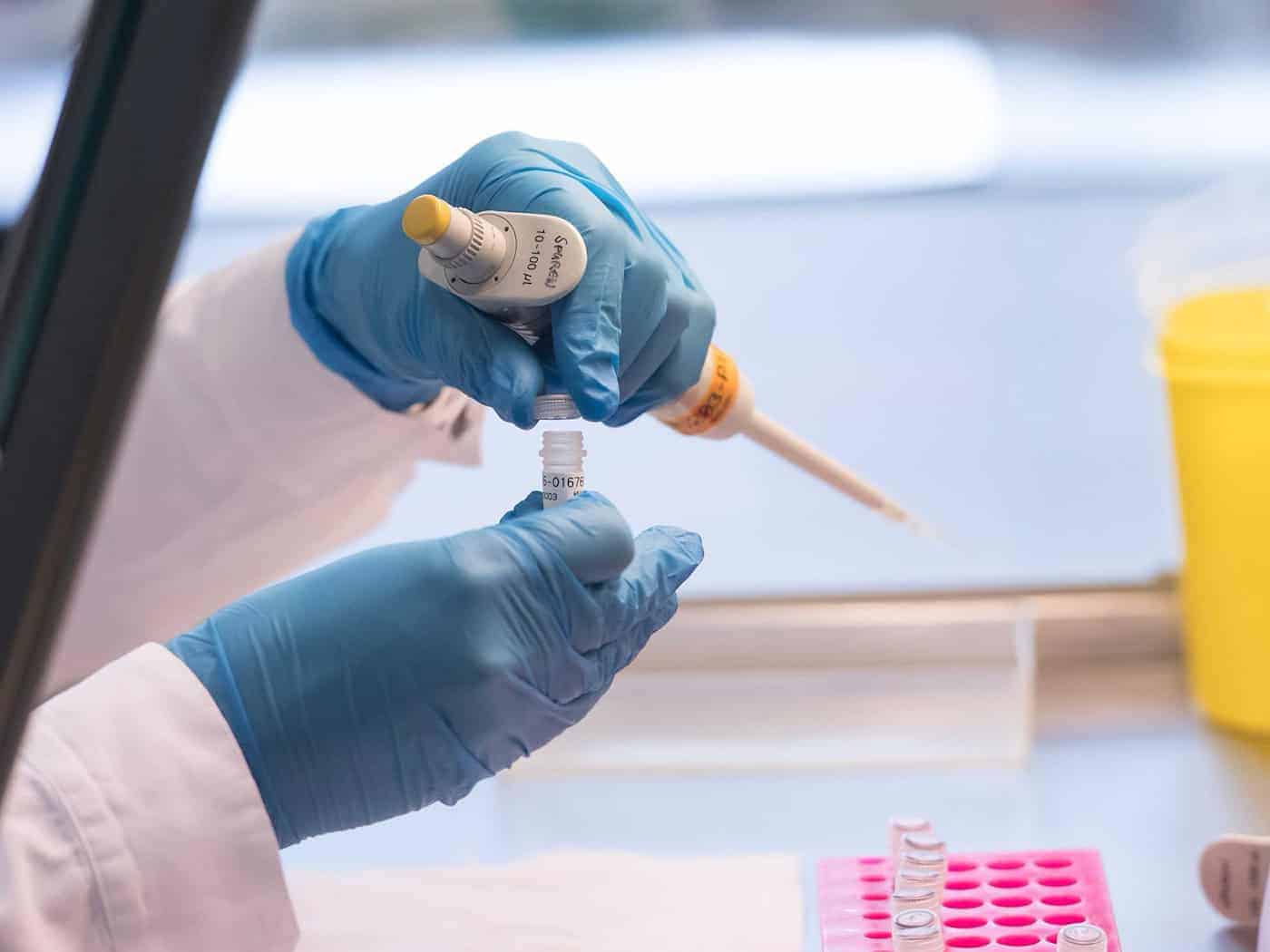
In future, the biobank at Dresden University Hospital wants to collect significantly more samples from children and adolescents than before. Currently, around three percent of the 220,000 stored samples come from under 18-year-olds, estimates spokeswoman Heidi Altmann. In the future, this figure should rise to hundreds of thousands. The background to this is the biobank's work for the German Center for Child and Adolescent Health (DZKJ) on research into the causes of common and rare diseases in childhood and adolescence. The DZKJ, with sites in Dresden and Leipzig, among others, began its work in 2024 and is one of eight German Centers for Health Research founded on the initiative of the federal government. The Dresden Biobank has already been storing the first samples since 2019. In connection with coronavirus, the storage of samples from children and adolescents began in 2022, according to a statement from Dresden University Hospital. These are "samples such as blood, urine, hair samples and nasal and throat swabs", it continues. As part of the nationwide "PEDNET-LC" project, the university hospital is researching treatment and therapy methods for post-infectious diseases such as Long Covid. The infrastructure of the biobank is designed to store the samples for a period of 30 to 40 years at a temperature of below minus 180 degrees Celsius, Altmann continued. The aim is to store up to five million samples, of which around ten percent should come from children and adolescents. The samples will be taken with the consent of the parents and those affected as part of treatments or clinical studies, Altmann explains further. Copyright 2026, dpa (www.dpa.de). All rights reserved