Logo Die Sachsen News
News / Environment

Animal shelters are increasingly dealing with permanent guests

Animal shelters are increasingly dealing with permanent guests
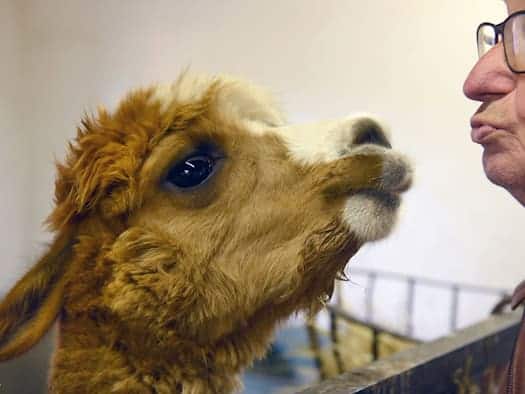
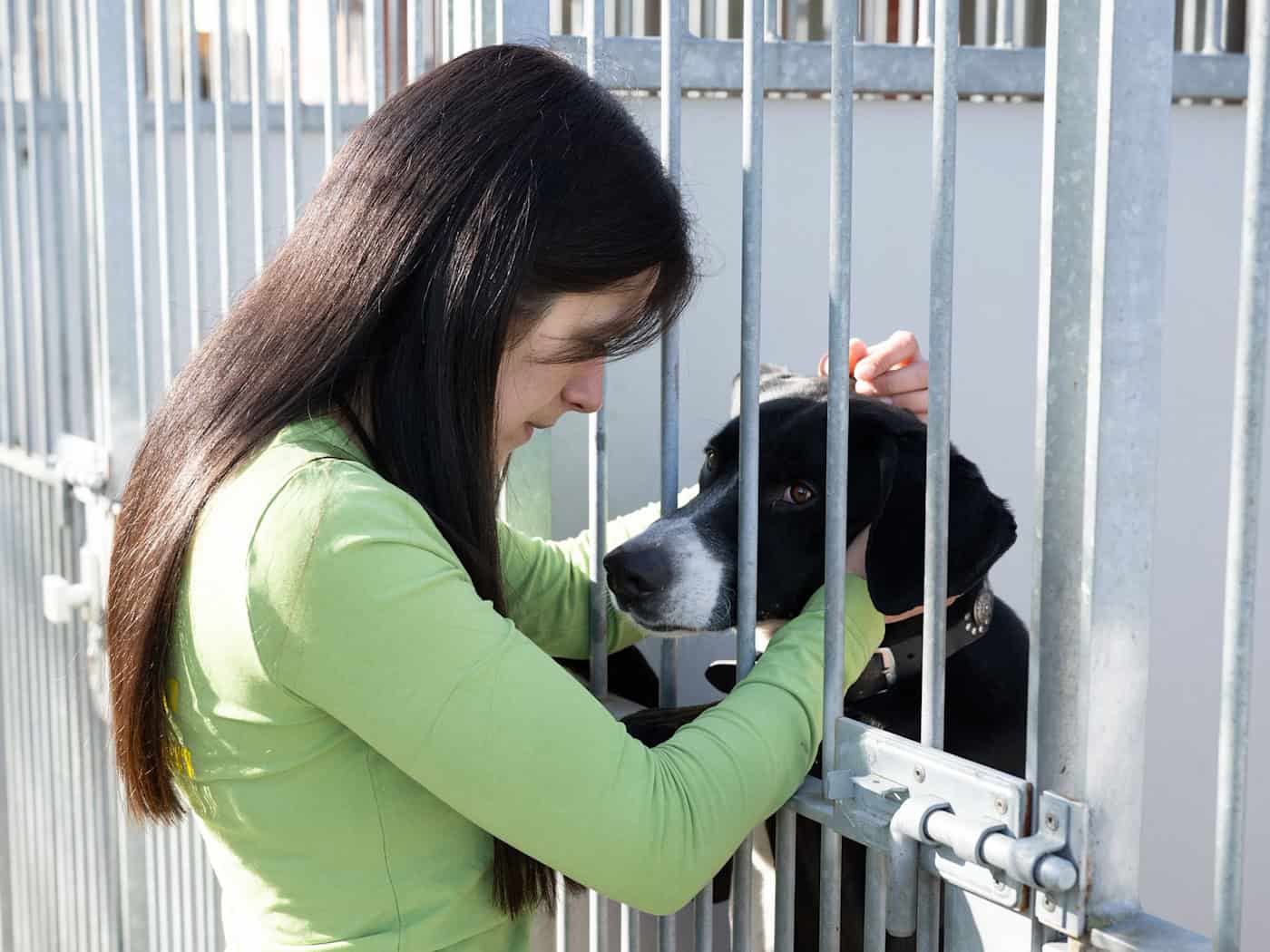
Even in the Dresden animal shelter, some residents do not find a new owner for years (archive photo). / Photo: Sebastian Kahnert/dpa
From: DieSachsen News
More and more animals with behavioral problems are being found in animal shelters in Saxony. It is becoming difficult to find new owners for some of them.

They often have a history of suffering behind them and are now considered difficult to place: In Saxon animal shelters, cases of animals that are conspicuous in their behavior or are brought there in a neglected state are piling up. It is as if the supposedly animal-loving German society has gone mad. "The percentage of animals that stay there for a long time is increasing," says Lutz Meißner, head of the animal welfare department at the responsible Dresden city office.

More from this category

"Behaviorally extremely conspicuous"

Animals not only come to the facility in a poor state of health, but are also "extremely conspicuous in terms of behavior" because the previous owner had no idea, explains Meißner, who cannot understand this. In contrast to the past, it is now very easy to gain knowledge about keeping animals. "You don't even have to buy a book. There are free resources online." But people are apparently no longer willing to do so.

Even in Dresden's municipal animal shelter, residents sometimes spend years before finding a new owner. Some die in the shelter. Meißner reports on a permanent resident who has lived in a kennel at the Dresden facility since 2014. "We have quite a few dogs, so it's very difficult to place them. Unless someone falls in love with one of these animals."

"We are also noticing a trend towards an increase in the number of dogs with biting incidents or conspicuous behavior. We notice that the animals are quickly taken from somewhere, the new owners are then extremely quickly overwhelmed and don't want to invest any work," reports Ira Weißbach from the Chemnitz Animal Welfare Association, which runs an animal shelter as a private organization. The animal is seen as a "consumer good". "People want to get rid of it as quickly as they bought it."

People should think carefully about whether an animal fits into their lives

It becomes particularly critical when there are children in the household and people have acquired a large dog in its prime via some internet platform, says Weißbach, describing a recurring case. "It would be nice if people would finally think again about their actions and really consider carefully whether an animal fits into their lives."

"Somehow everything has become more extreme, both in terms of neglecting or mistreating animals and overprotecting them," reports Ira Weißbach. There are people who are unable to look after themselves or their animals and neglect them - but don't realize it themselves.

"We are confronted with sometimes very serious neglect of animals on an almost daily basis," says Michael Sperlich, 1st Chairman of the Saxony State Animal Welfare Association, who runs an animal shelter in Leipzig. For years now, the expectations of people who see themselves as "customers" have been increasing. Above all, they expect the shelters to guarantee the health of the animal, which is objectively not possible.


"Increasing aggression" from pet owners

"We are also seeing increasing aggression towards our employees," Sperlich emphasizes. This is consistent with experiences from Dresden and Chemnitz - especially when it comes to so-called forced care: when animals are taken in because their owners are unable to look after or care for the animal - due to illness, animal welfare violations or imprisonment. In Dresden last year, 90 dogs and 120 cats were taken into care as forced foster animals.

Sometimes the animal owners do not agree with the decisions made by the authorities. "Then people come and riot here or threaten us," reports Meißner of a particularly drastic case in Dresden last year. A man who wanted his dog back even broke into the animal shelter and threatened staff several times. Ira Weißbach in Chemnitz is also aware of cases of psychological pressure and insults.

Sometimes pet owners try to get rid of their former pets via a shelter. Various reasons are given - alleged allergies, excessive demands, threatening behavior or a change in living circumstances due to death, separation or a new addition to the family. "Animal shelters are responsible for found animals and animals in care. However, they are not obliged to take animals from private hands because they have become a nuisance to their owners," says Weißbach from Chemnitz.

The shelters often get to hear the owners' lack of understanding on the phone or in writing. "If they don't take it, I'll have to find a vet to put it to sleep" or "Should I rather abandon the animal?", Weißbach gives examples.

Another problem is "exotics" - even if the Leipzig association's head Sperlich considers the term inappropriate. The Leipzig animal shelter currently has around 100 animals that are not native to our latitudes, including various vipers and large constrictor snakes. "Large snakes are particularly difficult to place. We have been looking after some of our animals for over 10 years now." With reptiles in particular, the lifespan of the animals and the high additional costs are often underestimated.

Most cats have good chances of being adopted - except if they are older, have health problems or are dependent on special food. Then all efforts are often for naught.

Copyright 2026, dpa (www.dpa.de). All rights reserved

The translations are automated with the help of AI. We look forward to your feedback and your help in improving our multilingual service. Write to us at: language@diesachsen.com.
Sachsen News
Article from

Sachsen News

Sachsen News is responsible for the content itself. The platform's code of conduct applies. The platform checks and treats content in accordance with the legal requirements, in particular the NetzDG.

Social Media