


State Foundation Presents Eco-Vineyard
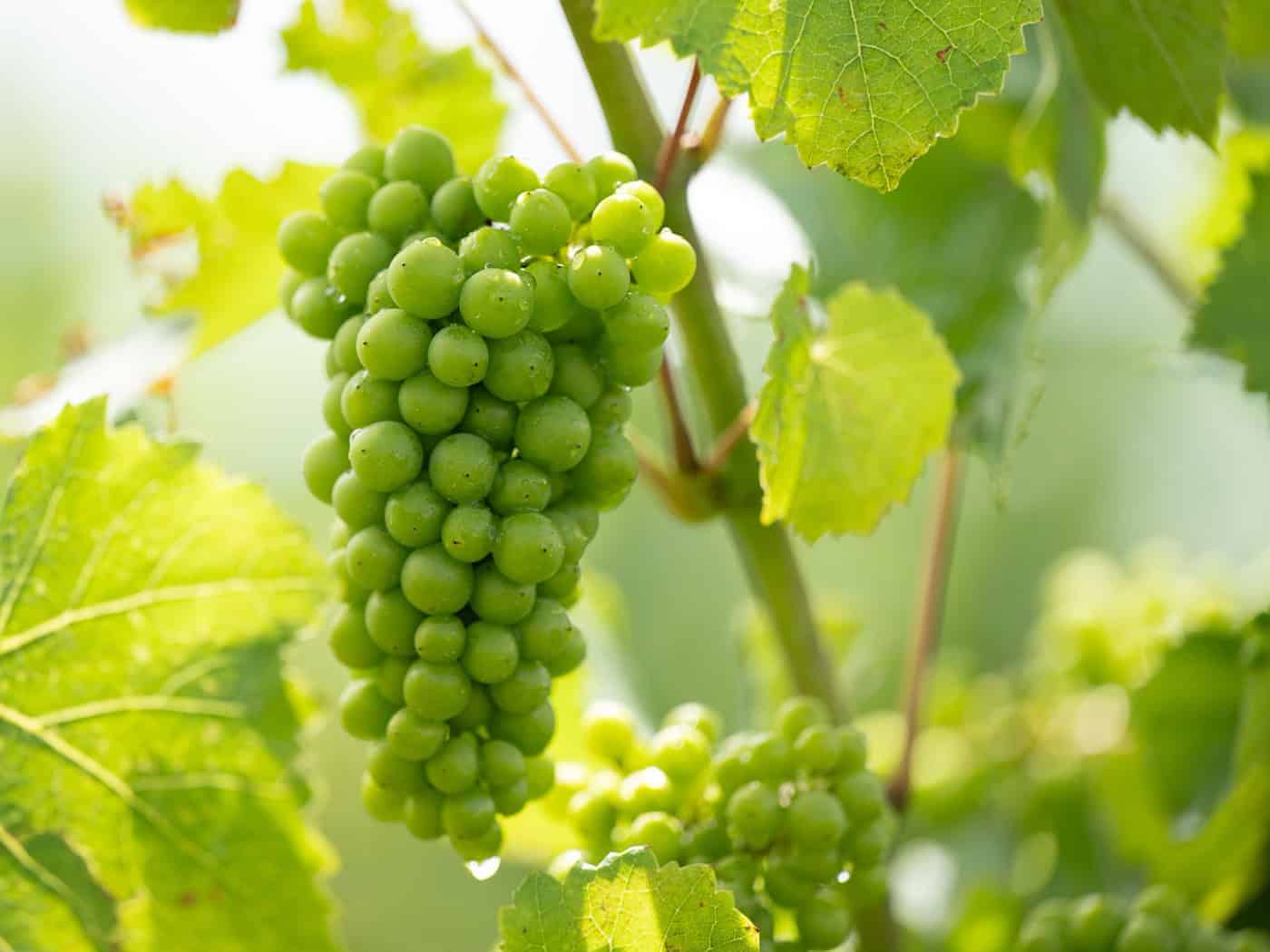
A lesson for state secretaries of German ministries of culture at a vineyard: The heads of the culture departments in CDU/CSU-led federal states plan to visit the organic vineyard of the Saxon State Foundation for Nature and the Environment during their meeting in Meissen. The visit is intended to inspire the ministry leaders to learn from the state foundation’s experiences and implement similarly structured projects within their jurisdictions, the foundation announced. The visit to the vineyard was scheduled for Thursday evening. The State Foundation acquired the formerly overgrown land below Meissen Castle in 2006. The acquisition was intended to send a signal in favor of more ecological viticulture in the Free State and to promote environmental education. Not least, the restoration of the vineyard benefited nature conservation and the cityscape of Meissen. The first grapevines were planted in 2012, and the first grape harvest took place in 2014. Students from the St. Afra State High School cultivate the vineyard with the help of the Hoflößnitz Foundation. The harvest is pressed at the foundation’s winery in Radebeul. According to the state foundation, a conscious decision was made to cultivate the land organically using the stress- and fungus-tolerant grape varieties Johanniter (white) and Regent (red). “This has allowed us to significantly reduce pesticide use. That is a prerequisite for rich biodiversity,” the foundation stated. “With the organic vineyard in Meissen, we have created a project with great appeal. Here, we are demonstrating in a very practical way that organic viticulture and the protection of biodiversity can go hand in hand,” explained Foundation Director Robert Clemen. A diverse array of flora and fauna has now established itself on the Burgberg. Researchers from the TU Bergakademie Freiberg have identified 282 animal and 136 plant species here, the foundation added. Herbs and grasses typical of a vineyard bloom between the rows of vines. Sand lizards scurry about on the dry stone walls. The walls also provide a suitable habitat for many insects, such as wild bees. So far, more than 30 species of wild bees have been identified. The common toad also finds its food in the cool, damp cavities of the walls. In the Free State of Saxony, organic viticulture has grown significantly in recent years. According to the Ministry of Agriculture, eighteen percent of the vineyard area (523 hectares) is currently farmed organically. Copyright 2026, dpa (www.dpa.de). All rights reservedVineyard is cultivated by high school students
Reduced Pesticide Use as a Prerequisite for Biodiversity
The vineyard is a habitat for many animal and plant species

