

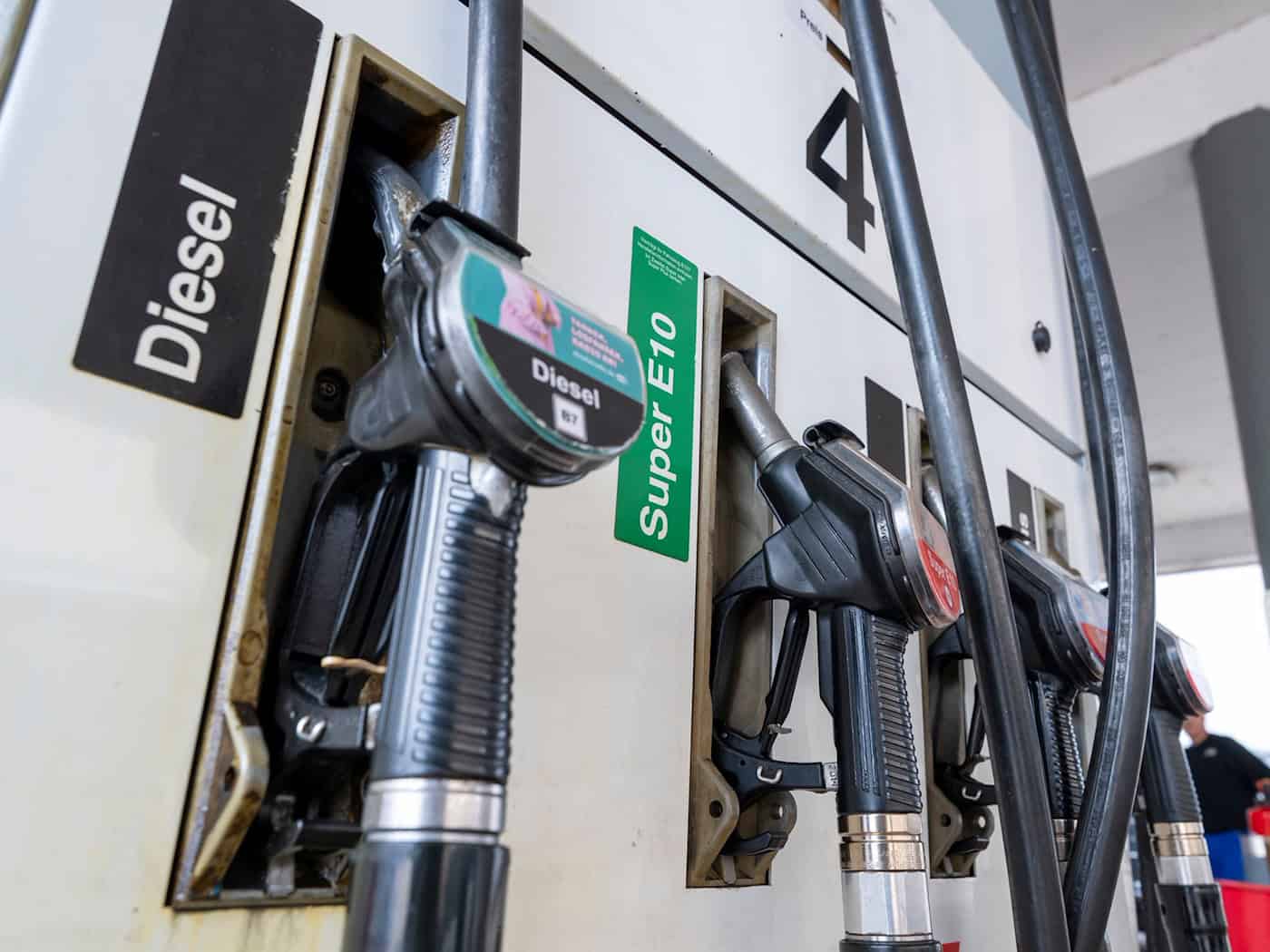
According to experts from the Ifo Institute in Dresden, the increased prices for petrol and diesel are no more of a burden on employees than in previous years. The reason for this is the steady rise in wages, according to the institute. According to the calculations, an average employee had to work about five minutes for a liter of gasoline in April. In the past 35 years, it has been between three and six minutes. "Even with fuel prices of 240 cents per liter of super or 250 cents per liter of diesel, the working time required is usually below the values of the years 2006 to 2013," says Joachim Ragnitz, Deputy Director of the Ifo Dresden branch. The price increase places a greater burden on households with lower incomes, while the German government's fuel rebate relieves the burden on low and high incomes alike. At the same time, mobility and tax data show that high fuel consumption usually goes hand in hand with a high income, it says. At the beginning of the month, the German government's two-month fuel rebate came into force, which provides for a tax reduction of around 17 cents and should make the prices of petrol and diesel significantly cheaper. Prices initially fell below the two-euro mark in some places on May 1, but then rose again. Copyright 2026, dpa (www.dpa.de). All rights reserved


