


Wolf Population in Saxony Remains Steady
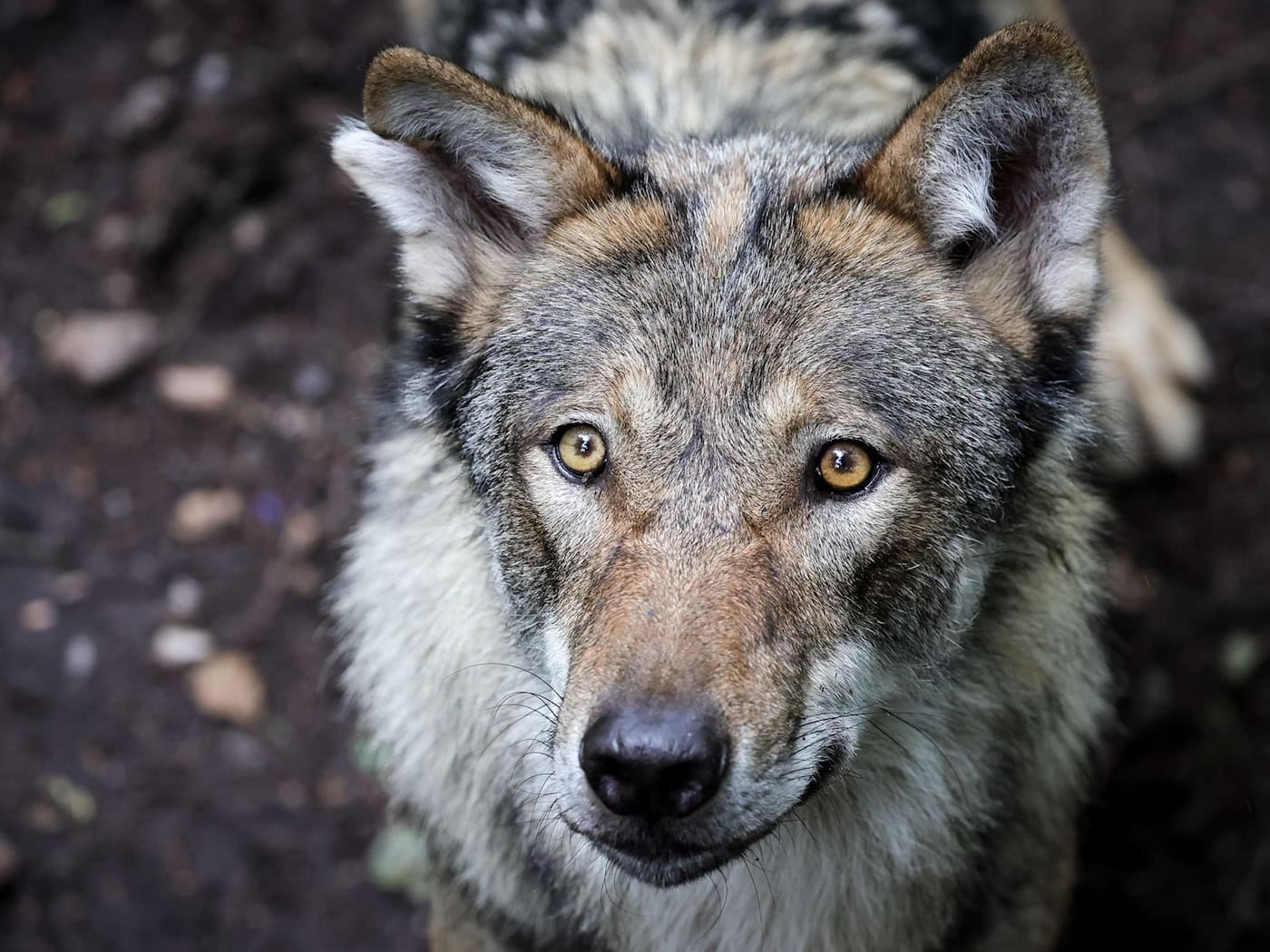
The wolf population in Saxony remains stable. There are currently 40 packs and eight wolf pairs, according to the State Office for the Environment, Agriculture, and Geology. This means the population in the Free State has remained at a level of between 45 and 50 wolf territories for the past four years. Offspring have been confirmed in 39 packs, currently totaling at least 141 pups. According to the agency, most territories are still located in Upper Lusatia (28). The agency added that the population in this region can be considered saturated. The remaining 20 wolf territories are distributed across the southern districts of Görlitz and Bautzen, as well as the districts of Meissen, Northern Saxony, Leipzig, Saxon Switzerland–Eastern Ore Mountains, Central Saxony, and Vogtland, and the independent city of Dresden. There are currently no confirmed wolf territories in the Zwickau district or in the independent cities of Chemnitz and Leipzig. 31 wolves were found dead during the 2025/2026 monitoring year. According to the data, 17 died in traffic accidents. Five animals, including four pups, died from bite wounds, suggesting conflicts with other wolves. One wolf was killed illegally; in four cases, the cause of death remained unclear. In one case, the investigation is still pending; the rest died of natural causes. Wolf monitoring has been taking place in Saxony since 2001 to track the size and trends of the wolf population. It is conducted on behalf of the State Office by the Senckenberg Museum of Natural History in Görlitz and the Lupus Institute for Wolf Monitoring and Research in Germany. Forestry staff and volunteers provide support for this effort. Reports from the public are also taken into account. The monitoring year does not correspond to the calendar year but is based on the biological “wolf year”—from the birth of the pups until the end of their first year of life. Thus, 2025/2026 covered the period from May 1, 2025, to April 30, 2026. Copyright 2026, dpa (www.dpa.de). All rights reservedA wolf killed illegally