


New Index: Saxony's Natural Environment Is Losing Its Protective Function
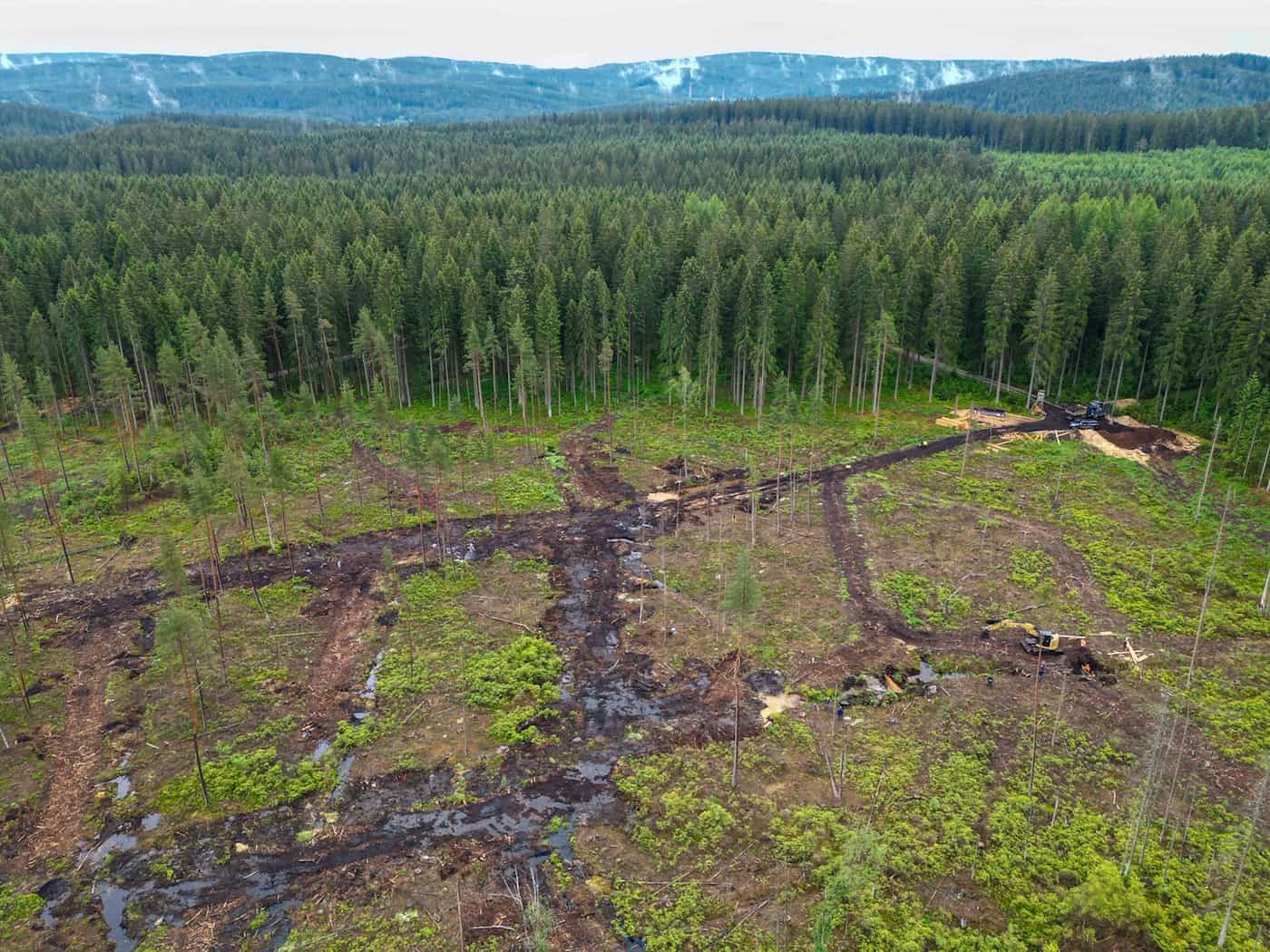
According to an analysis by the Nature and Biodiversity Conservation Union (NABU) and the Berlin-based Econics Institute, Saxony’s natural environment is becoming increasingly less able to mitigate the effects of heat, drought, and flooding. This is evident from the so-called Green-Wet-Cool Index, which assesses nature’s capacity for cooling, water retention, and climate adaptation. Among other things, satellite data is used for this purpose. In Saxony, the landscape traffic light is at dark red, according to the report. “In Saxony, we can see how changes to the landscape resulting from intensive land use, soil sealing, and fragmentation are impairing the natural infrastructure. Only a few areas, such as the Düben and Dresden Heaths, the Moritzburg Pond Landscape, or the Ore Mountains, show good or even very good potential,” the Nature Conservation Union reported. These areas possess a stable and well-connected natural infrastructure. “These regions, however, stand out as isolated islands. It is striking that there are hardly any functioning connectivity networks,” the report noted. Saxony’s large river landscapes—whose floodplains play a prominent role in every biotope network—are barely recognizable. Even the FFH (Flora-Fauna-Habitat) areas protected under European law consistently showed critical damage or, at best, moderate ecological potential. “Nature is not just a backdrop; it is our natural infrastructure. Intact forests, bogs, floodplains, and green spaces store water, cool their surroundings, and make our landscapes more resilient to the consequences of the climate crisis,” explained NABU President Jörg-Andreas Krüger. According to Maria Vlaic, head of NABU Saxony, the data confirm years of observations. Every spring, NABU volunteers throughout Saxony maintain amphibian protection fences in wetlands. “This reveals that the number of amphibians migrating to their spawning habitats is steadily declining. At some sites, protective fences are no longer being erected because hardly any animals migrate to their spawning grounds anymore.” At the same time, the index shows that renaturation is effective, the report concluded. “Where natural processes are allowed to take place and damaged ecosystems are restored, landscapes can regain their functions—for example, through regenerative agriculture with intercropping, the rewetting of wetlands, the restoration of rivers and floodplains, or more green spaces in cities.” Copyright 2026, dpa (www.dpa.de). All rights reservedOnly a few areas in Saxony still have good potential
Hardly Any Functioning Connectivity Networks
Data confirm years of observations by conservationists
Renaturation helps

