


Study: Climate neutrality technically possible, but faces hurdles
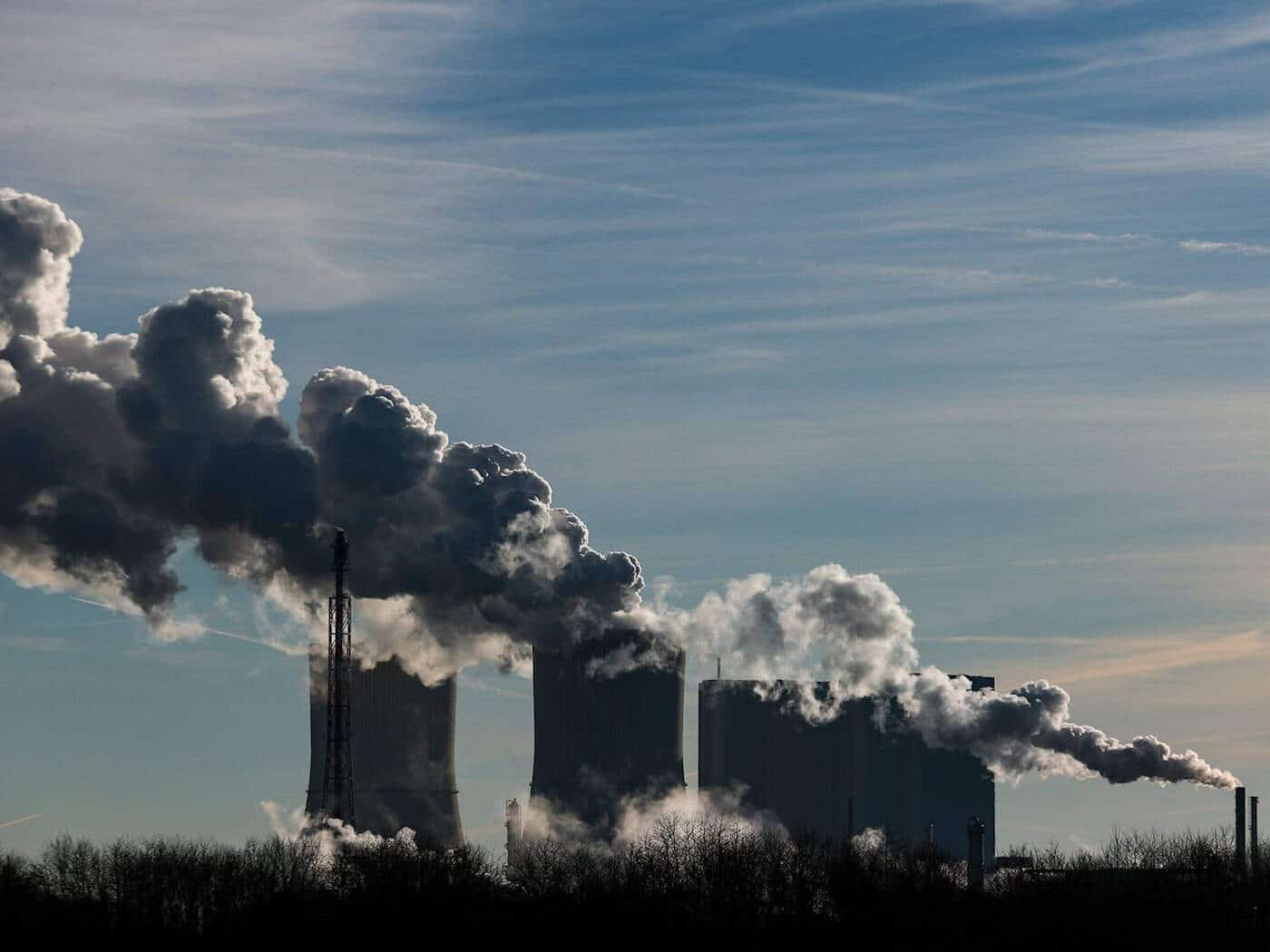
Technologically, the path to climate neutrality is open to Saxony's economy, but according to a study, there are problems with implementation. "The decarbonization of the Saxon economy is technically possible, but there are economic, regulatory and infrastructural hurdles," conclude the authors of a study by the Saxon Energy Agency (SAENA). Decarbonization refers to the move away from carbon in the economy and energy production in order to reduce climate-damaging CO2 emissions - for example through wind and solar energy instead of coal, oil and gas. Decarbonization technologies are available, the study states. However, the availability of grid connection capacities, planning and approval processes as well as the higher costs of electricity compared to natural gas are hindering implementation. Among other things, an efficient grid expansion is urgently needed due to increasing electrification. In 13 industry-specific profiles, the study presents technological options, cost developments and typical industry requirements. They are intended to serve as an initial point of reference for companies. Using site-specific transformation plans or feasibility studies, they can be translated into concrete concepts that can be implemented, it says. Energy efficiency measures, such as waste heat recovery, are recommended across all industries. They are often quicker and easier to implement than transformation measures and can be profitable at the same time. Potential electricity savings of more than 60 percent could be achieved in almost all areas, with the greatest average savings in lighting and space heating. The study "Decarbonization options for the Saxon economy" was commissioned by the Ministry of Economic Affairs. The authors analysed how companies and trade businesses can be specifically supported on their path to decarbonization. By 2045, Germany wants to be climate-neutral, i.e. not emit more greenhouse gases than can be stored again. Copyright 2026, dpa (www.dpa.de). All rights reservedGrid expansion urgently needed
Energy efficiency with great savings potential

