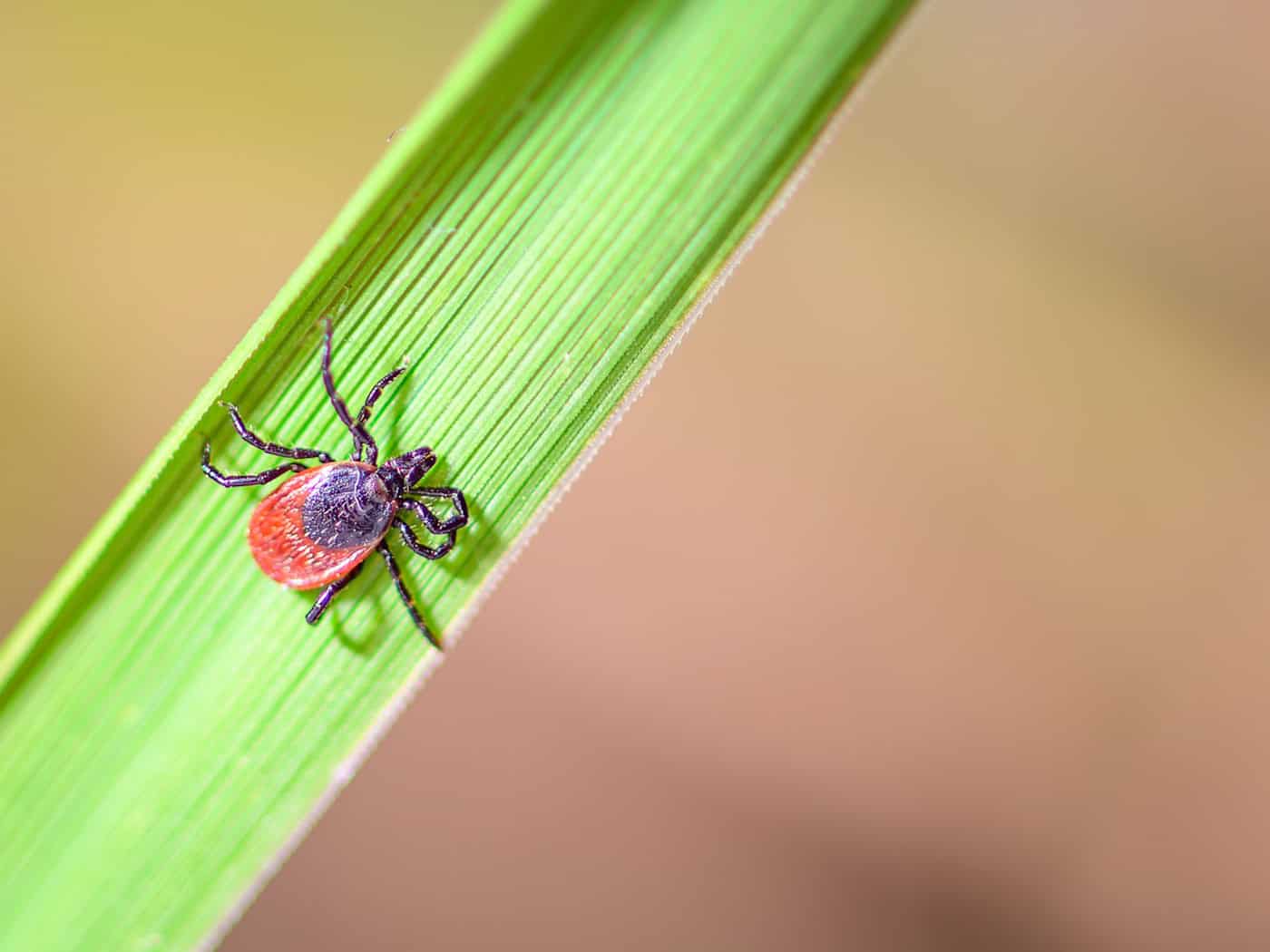
In Saxony, there have been fewer cases of tick-borne borreliosis so far this year than during the same period last year. By contrast, the number of cases of early summer meningoencephalitis (ESME) has remained virtually unchanged, according to the Saxon Ministry of Health in response to an inquiry. According to the report, 46 cases of TBE had been recorded as of last week (calendar week 41); during the same period last year, the number was 44. As of last week, 1,614 cases of Lyme disease had been reported. During the same period last year, there were significantly more cases of Lyme disease, at 2,220. Overall, however, the numbers have fluctuated in recent years: In 2025, a total of 2,637 cases were recorded, whereas in 2024 there were only 1,629 cases. The Ministry of Health attributes the year-to-year fluctuations in the numbers to mild winters caused by climate change. As a result, ticks remain active longer and could potentially cause infections throughout the entire year. ““However, ticks also need moisture, so they retreat into the ground during very hot, dry summer weeks,” the ministry added. The number of tick-borne diseases varies by county. For example, Central Saxony has reported the highest number of Lyme disease cases in the state so far, with 291. This corresponds to 99 infections per 100,000 residents. This was followed by the Erzgebirge district (257 cases) and the Saxon Switzerland-Eastern Ore Mountains district (210 cases). Of the 46 TBE cases, the majority occurred in the Vogtland district (10), according to the data. There, a 69-year-old woman with TBE died, as reported by the ministry. She reportedly had symptoms of meningitis and died of pneumonia. TBE initially presents with flu-like symptoms. In severe cases, it can lead to inflammation of the meninges, brain tissue, and spinal cord. There is no specific treatment for TBE. Lyme disease, on the other hand, can be treated with antibiotics. With Lyme disease, a circular red rash appears around the bite site. Symptoms include fatigue, fever, or flu-like symptoms. If the disease is left untreated, the joints, heart muscle, or nervous system may become inflamed. Copyright 2026, dpa (www.dpa.de). All rights reservedTicks Remain Active Longer Due to Mild Winters, but Behavior Has Changed
Most Lyme disease cases in Central Saxony
Lyme disease is treatable; no curative treatment exists for TBE