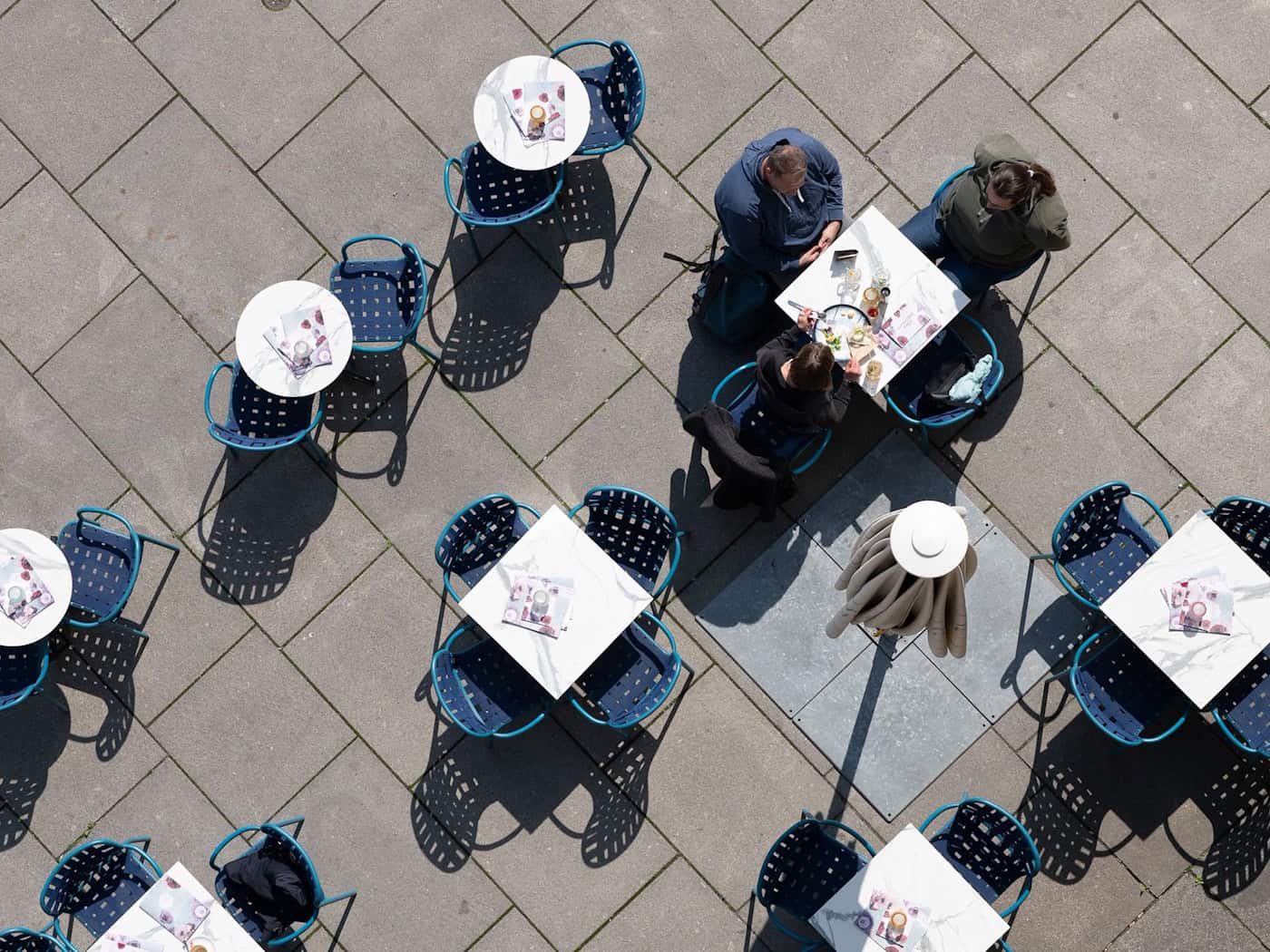
According to Dehoga Managing Director Axel Klein, the reduction in the value-added tax rate for the restaurant industry from 19 to 7 percent at the beginning of the year prevented a wave of bankruptcies. “Without the reduction, it would have been a disaster,” the head of the Saxon Hotel and Restaurant Association told the German Press Agency. Otherwise, many businesses—especially in rural areas—would have had to close. Furthermore, according to Klein, the lower VAT rate has kept prices stable in more than 90 percent of cases, despite rising costs for food and staff. The minimum wage rose from 12.82 euros to 13.90 euros at the beginning of the year; it will increase to 14.60 euros by 2027. The reduced tax rate cushions higher costs and creates incentives for businesses to invest, Klein said. With the 2025 Tax Amendment Act, the Bundestag had approved a permanent reduction in the value-added tax on food in restaurants from 19 to 7 percent. The regular rate of 19 percent remains in effect for beverages. The Dehoga managing director welcomes new developments, such as the opening of a robot restaurant at Leipzig Central Station. Nevertheless, this is not enough to address staffing shortages and provide lasting relief for the industry. Rather, we need to move away from “rigid working hour regulations,” said Klein. Employees should be able to work up to 11 hours on certain days, in consultation with their boss, provided the 40-hour workweek is maintained. Copyright 2026, dpa (www.dpa.de). All rights reservedRobot restaurants do little to ease the industry’s burden