Logo Die Sachsen News
News / Environment

Drought in Europe: What’s behind the growing dryness?

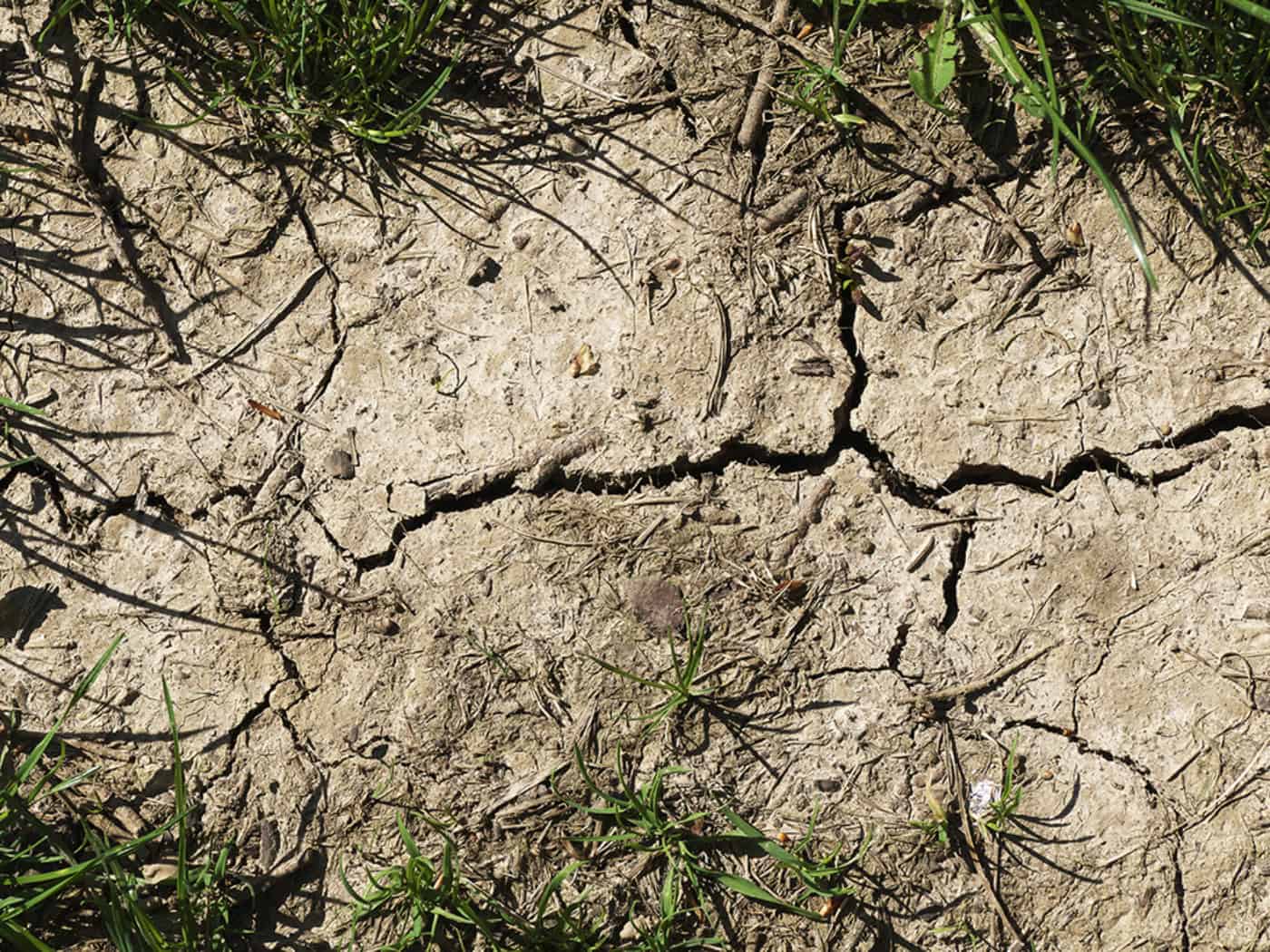
Cracks in the ground show the effects of the drought.
Researchers explain why Europe's summers are getting hotter and hotter. © pixabay/Wolfgang Eckert
From: Wissensland
Cracks in the ground, low river levels, hot summers: Researchers at the University of Leipzig have discovered why Europe is suffering from droughts with increasing frequency. They show how drastically changing weather patterns are to blame.

In recent years, summer has repeatedly shown its dry side. Low river levels and yellow meadows have become a common sight in many places during the summer. The heat is leaving a clear mark on Saxony and all of Europe. Researchers at the University of Leipzig have now identified key causes of the increasing drought.

A large part of the drying trend is linked to changing weather patterns. High-pressure systems are forming over Europe more frequently and lasting longer. They bring stable, dry, and hot weather, while rain-bearing low-pressure systems are becoming less common. According to the researchers’ calculations, these weather patterns account for about 55 percent of the increasing dryness in European summers.

More from this category

Two causes of dry soil

The researchers identify two causes. First, climate change is causing the Earth to continue warming. More carbon dioxide in the atmosphere traps additional heat. As a result, temperatures rise and the soil dries out more quickly.

Second, the typical weather patterns over Europe are changing. High-pressure systems are lingering in one place more frequently and for longer periods, while low-pressure systems bringing rain are becoming less common. The researchers in Leipzig investigated this effect. To do so, they compared historical weather data with calculations from a climate model. This allowed them to demonstrate for the first time the extent to which these changing weather patterns contribute to drought.

Europe is one of the regions experiencing particularly rapid warming worldwide. That is why the researchers took a closer look at this continent. In recent decades, heat and drought have increased significantly here.

The future remains uncertain

The researchers also found that the impact of climate change on soil moisture varies from year to year. 
Summers become particularly dry when there is very little rain. Although it rains less frequently overall, when it does rain, large amounts of water often fall all at once. In years with more rainfall, this can partially offset soil drying.

According to lead author Dr. István Dunkl, it remains unclear whether drought conditions will increase or decrease in the future. The key factor is whether climate change is driving these shifting weather patterns or whether natural climate fluctuations are behind them.

Drought damage costs Europe an average of about nine billion euros annually. The findings are intended to help develop strategies for a drier Europe. Currently, the Leipzig researchers are also investigating how climate change influences the risk of wildfires. Among other things, they are examining the major fires in Spain and Portugal in the summer of 2025.

Original publication:
Dunkl, I., Bastos, A. & Sippel, S. European summer drying largely driven by atmospheric circulation changes since the 1980s. Nat. Geosci. (2026).


The translations are automated with the help of AI. We look forward to your feedback and your help in improving our multilingual service. Write to us at: language@diesachsen.com.
Wissensland
Article from

Wissensland

Wissensland is responsible for the content itself. The platform's code of conduct applies. The platform checks and treats content in accordance with the legal requirements, in particular the NetzDG.

METIS