


Arctic warming: Leipzig researchers study clouds over Arctic sea ice
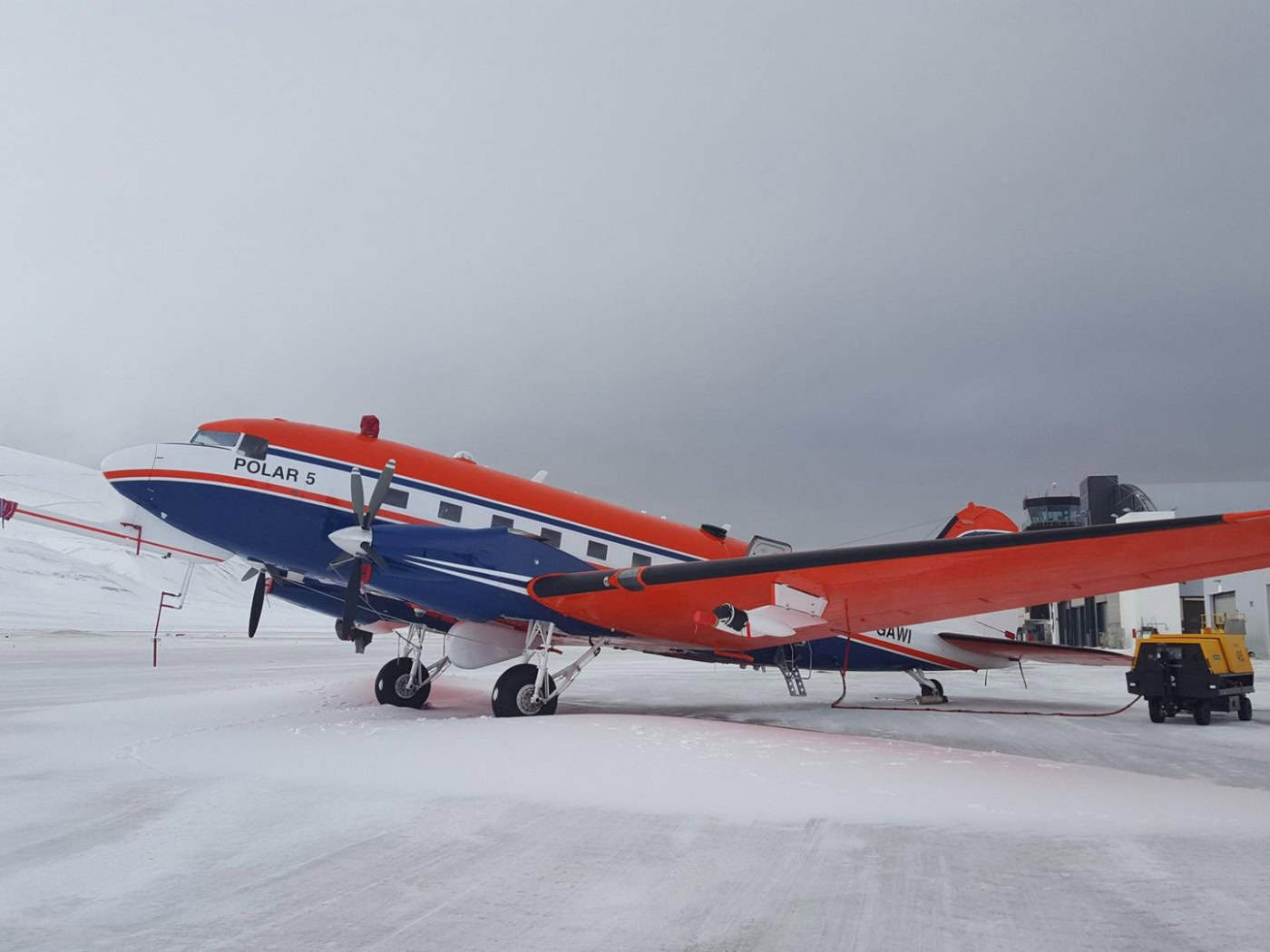
The Arctic is warming faster than any other region on Earth. But why is that? Clouds play a decisive role in this process. And this is precisely where the problem lies: satellites struggle to measure them reliably above sea ice. Researchers at Leipzig University now want to change that.
The international research campaign COMPEX has been in the air since March 13, 2026. The acronym stands for "Clouds over Complex Environment". The Polar 5 research aircraft from the Alfred Wegener Institute, Helmholtz Centre for Polar and Marine Research, takes off from Longyearbyen on the Norwegian island of Svalbard. A total of 80 flight hours are planned until April 15. The campaign is being led by Dr. Mario Mech from the University of Cologne. Leipzig University is also participating in the project.
Spring over the ice is no coincidence
The timing was chosen deliberately. "Spring is the ideal time for the planned data collection, as the sea ice cover is at its greatest at this time and therefore easily accessible from Svalbard," explains Mech. In spring, there is therefore a particularly large amount of sea ice beneath the clouds, which the researchers want to investigate.
State-of-the-art measuring equipment is on board. Radar instruments measure the structure of clouds and precipitation. Radiometers measure how much solar radiation clouds and ice absorb and emit. Other sensors record temperature, humidity and wind. All these measurements help scientists understand how heat is transported between the surface of the ice and the atmosphere, especially in the complex marginal zone of sea ice.
Satellites see too little
The real problem is technical. Satellites observe the Earth from space, but they reach their limits over sea ice. Clouds and ice are both bright and white. It is often difficult for satellite instruments to tell the difference. "Clouds over sea ice pose a particular challenge for conventional satellite observations due to the low contrast," explains Prof. Dr. Manfred Wendisch, spokesperson for the research alliance (AC)³ at Leipzig University. "With our measurement campaign, we want to help improve these observation methods and close existing observation gaps – even if only in a small, spatially limited area."
COMPEX is part of the Collaborative Research Centre (AC)³, short for "Arctic Amplification". This network, led by Leipzig University, has been investigating for years why the Arctic is warming particularly strongly. The new measurement data should help improve climate models – the computer programs that researchers use to simulate the climate.

