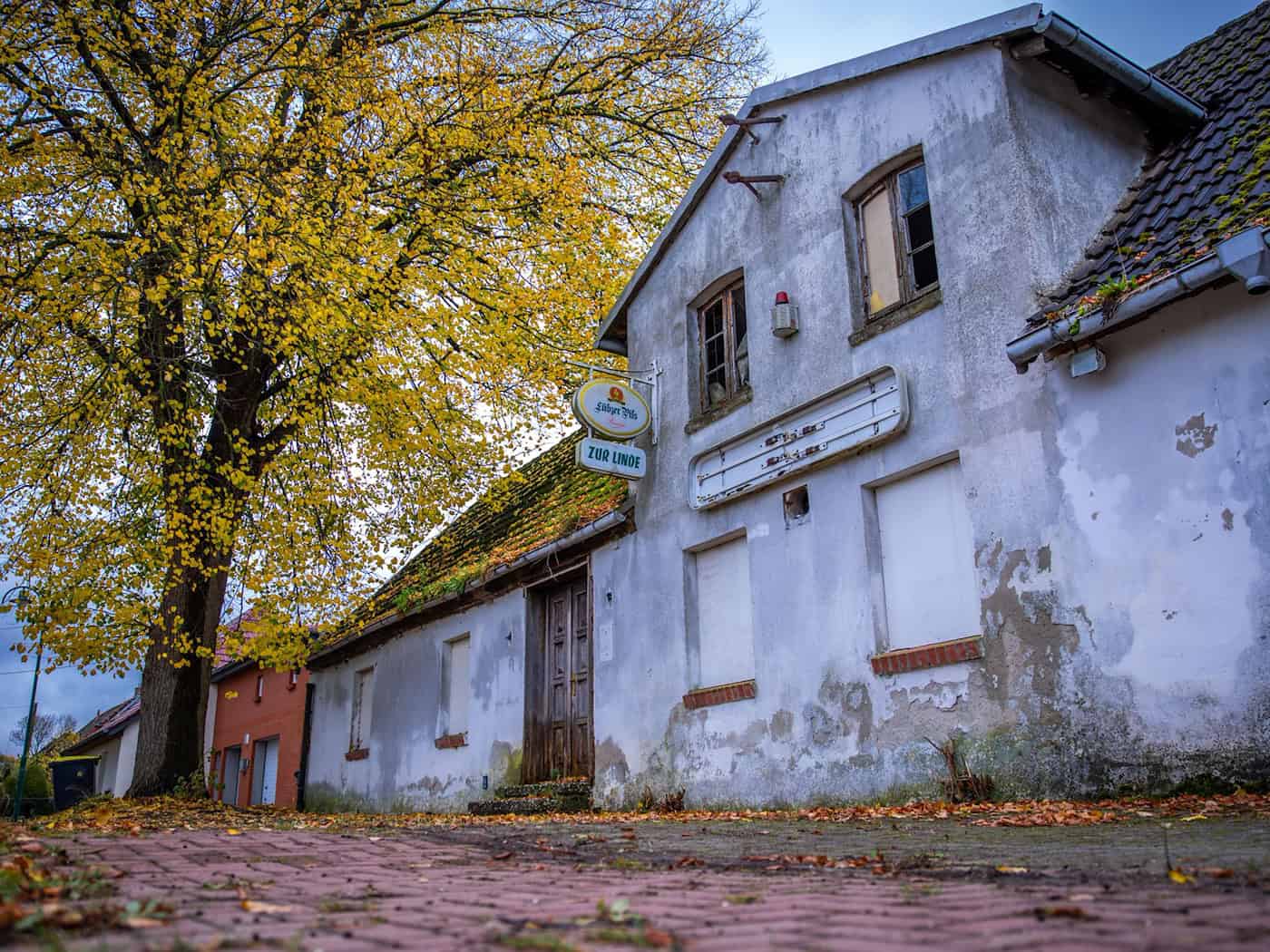
Dresden political scientist Oliviero Angeli sees the decline of pubs in Germany as a bad sign for democracy. "Pubs are infrastructure against polarization. People who otherwise have little to do with each other meet there and talk about concrete everyday problems: the missing cycle path, the outdoor pool that is closing or the question of what is happening in the town," explained the researcher in an interview published on the website of the Mercator Forum Migration and Democracy (MIDEM). Angeli is the coordinator of the forum, which is based at the Technical University of Dresden. According to Angeli, people also talk about shared realities of life when they visit the pub. This can weaken ideological camp thinking. "When pubs close, these spaces are lost. People switch to social media, where exaggerated and ideologized major conflicts tend to dominate. Camp thinking can thrive better here." Going for a beer with your neighbor can help. "It's not the beer that matters, but the encounter. We get to know our neighbors. Not as abstract political individuals, but as people with stories, concerns and experiences." According to Angeli, differences of opinion are healthy for a democracy. "We need to be able to argue about key political issues. This is what distinguishes democracies from non-democratic systems: There, differences of opinion are often seen as a problem that must be suppressed." It becomes dangerous when "opposing opinions are seen as enemies and compromise is seen as betrayal". "If we no longer perceive our political opponents as equals, then political opposition turns into exclusion. In extreme cases, this can lead to violence." Oliviero Angeli also believes that a change of perspective is advisable in the debate. The political opponent is often misjudged. "If you listen, you can correct your own prejudices. The best way to do this is through personal stories. When people don't argue about issues, but tell us how they came to their views, we understand their political attitudes better." The researcher doesn't so much see the problem that society in Germany is divided into opinion camps, but that emotional rifts are deepening. Scientists call this "affective polarization" - groups are strongly opposed to each other. Although affective polarization is increasing in Germany and other EU countries, it is nowhere near as drastic as in the USA, says the political scientist: "Our multi-party system protects us from polarization like in the two-party state of the USA." Copyright 2026, dpa (www.dpa.de). All rights reserved"It's not the beer that matters, but the encounter."
Differences of opinion are healthy for democracy
"If you listen, you can correct your own prejudices."